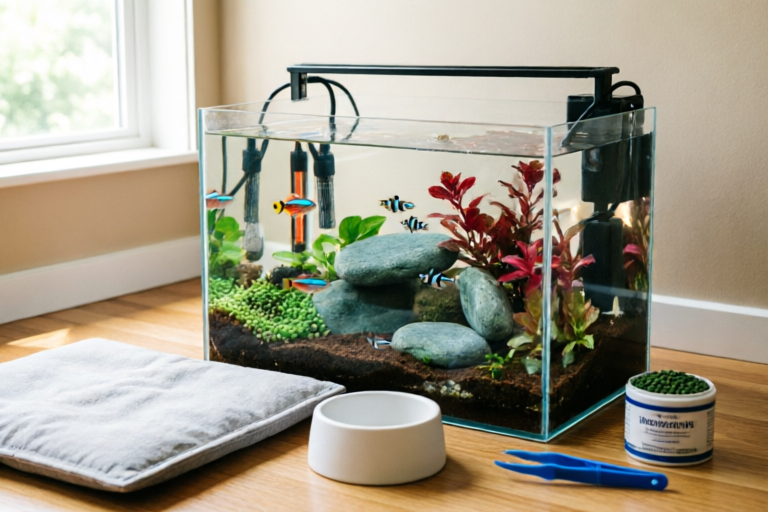
How to Set Up a Healthy Tank for Your Aquatic Pets
Create a thriving aquatic environment for your pets with these expert tips.
Introduction to Setting Up a Healthy Tank
A well-maintained aquatic environment is crucial for the health and happiness of your aquatic pets. A properly set up tank ensures that your fish, amphibians, or other aquatic creatures live in a clean, comfortable, and stimulating habitat. This article will guide you through the essential steps to establish a healthy tank, covering key factors such as water quality, filtration, and lighting.
Choosing the Right Tank Size and Shape
The first step in setting up a healthy tank is selecting the appropriate size and shape for your aquatic pets. The size of the tank should be determined by the species and quantity of animals you plan to keep. As a general rule, more space is better, as it allows for better water quality and reduces stress on the inhabitants. Different tank shapes offer various benefits:
- Long tanks: Ideal for swimming species that require ample horizontal space.
- Tall tanks: Suitable for fish that prefer vertical swimming or for tanks with lots of decor.
When considering tank placement, ensure that the location is away from direct sunlight and drafts, which can affect water temperature and algae growth. Additionally, make sure the area has enough space for maintenance tasks.
Proper Filtration Systems for Clean Water
Filtration is one of the most important aspects of maintaining a healthy tank. There are three main types of filtration systems: mechanical, biological, and chemical.
- Mechanical filtration: Removes debris and particulates from the water.
- Biological filtration: Supports beneficial bacteria that break down harmful substances.
- Chemical filtration: Absorbs dissolved organic compounds and medications.
To choose the right filter for your tank, consider the volume of water, the type of fish, and the level of maintenance you're willing to commit to. Regular maintenance, including cleaning and replacing filter media, is essential to keep your filtration system functioning optimally.
Maintaining Optimal Water Chemistry
Water chemistry plays a critical role in the health of your aquatic pets. Key water parameters include pH, hardness, and temperature. These factors must be kept within specific ranges to ensure the well-being of your pets.
- pH: Measures the acidity or alkalinity of the water. Most fish thrive in slightly acidic to neutral pH levels.
- Hardness: Refers to the amount of minerals dissolved in the water. Soft water is preferred for many tropical fish.
- Temperature: Maintaining a consistent temperature is vital for fish metabolism and immune function.
Regularly test the water using reliable test kits and make adjustments as necessary. Avoid common mistakes such as over-cleaning or sudden changes in water parameters, which can stress your pets.
Lighting Requirements for Aquatic Life
Proper lighting is essential for both the health of your aquatic plants and the well-being of your pets. It promotes plant growth and helps maintain circadian rhythms. Different types of lighting include LED, fluorescent, and high-intensity discharge (HID).
- LED lighting: Energy-efficient and customizable for different color temperatures.
- Fluorescent lighting: Affordable and suitable for low-light environments.
Recommendations for daily light cycles typically range from 8 to 12 hours, depending on the species and the presence of live plants. Ensure that the lighting provides the correct intensity and spectrum for your tank's inhabitants.
Decorating the Tank for Safety and Enrichment
Decorating your tank not only enhances its aesthetic appeal but also provides safety and enrichment for your pets. Choose decorations that add complexity to the habitat without posing risks. Natural elements like plants, rocks, and driftwood are excellent choices.
- Plants: Provide oxygen, hiding spots, and breeding areas.
- Rocks and Driftwood: Offer structure and visual interest.
Ensure that there are plenty of hiding spots and resting areas for all your pets. This is especially important for shy or territorial species that may become stressed without adequate shelter.
Conclusion: Ensuring Long-Term Health and Happiness
Setting up a healthy tank involves several key components: appropriate tank size, effective filtration, optimal water chemistry, proper lighting, and thoughtful decoration. By following these guidelines, you can provide a thriving environment for your aquatic pets.
Regular monitoring and maintenance are crucial for long-term success. Keep an eye on water parameters, perform routine water changes, and address any issues promptly. Be prepared to adapt and adjust your setup based on the behavior and needs of your pets. With the right care and attention, your aquatic pets will lead happy, healthy lives in their new home.
Comments

I've been following these steps and my tank looks amazing! The fish are thriving and the plants are growing.

Thanks for the tip on tank placement. Mine was too close to a window and the temperature swings were stressing my fish.

I'm planning to get a bigger tank soon. Should I go for a long or tall one?

Great guide! I've had my tank for a while but never thought about adding more hiding spots. My fish love them now!

I tried adjusting the water chemistry but my pH keeps swinging. Any tips to stabilize it?

I'm still confused about which filter to get. Can anyone recommend a good one for a 20-gallon tank with bettas?
This is so helpful! I just set up a new tank for my guppies. I followed the lighting advice and added some live plants. They seem happier already!