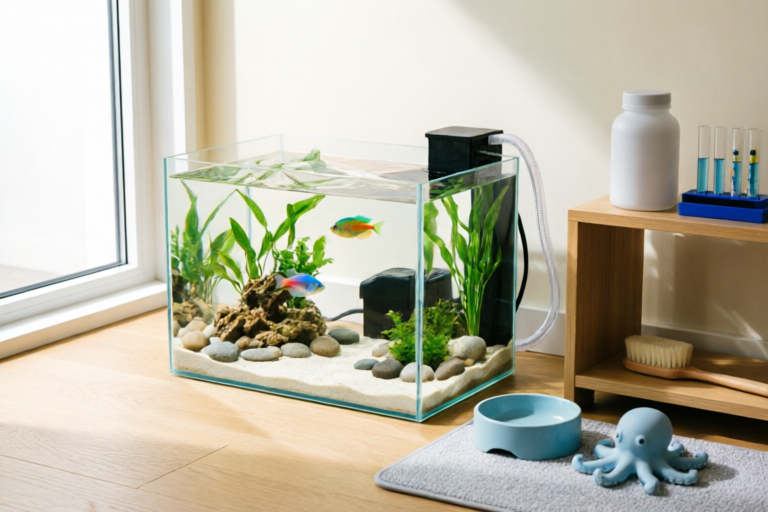
How to Set Up a Healthy Aquarium for Aquatic Pets
Create a Thriving Habitat for Your Aquatic Pets
1. Introduction to Setting Up an Aquarium
Setting up a healthy aquarium is essential for the well-being of your aquatic pets. A properly maintained tank not only ensures their health but also adds beauty and tranquility to your home. Keeping aquatic pets can be a rewarding experience, offering relaxation and companionship.
Importance of a Healthy Aquarium Environment
Aquatic pets thrive in environments that mimic their natural habitats. A clean, well-maintained tank provides them with the necessary conditions to grow, reproduce, and exhibit natural behaviors. Poorly maintained tanks can lead to stress, disease, and even death.
Overview of the Benefits of Keeping Aquatic Pets at Home
Having aquatic pets can be a delightful hobby. They bring joy and relaxation, and watching them swim can be therapeutic. Additionally, caring for fish and other aquatic creatures teaches responsibility and patience.
2. Selecting the Right Tank and Equipment
The first step in setting up a healthy aquarium is choosing the right tank and equipment. The size and type of tank you select will depend on the species of fish you plan to keep and the space available in your home.
Choosing the Appropriate Size and Type of Aquarium
For beginners, it's recommended to start with a tank that holds at least 20 gallons. Larger tanks are easier to maintain and provide more stability for the ecosystem. Glass or acrylic tanks are common choices, each with its own advantages. Glass tanks are durable and less prone to scratches, while acrylic tanks are lighter and offer better insulation.
Essential Equipment for Maintaining Water Quality
To ensure a healthy aquarium, you'll need several pieces of equipment:
- Filtration Systems: Filters help remove waste, debris, and excess nutrients from the water, preventing toxic buildup.
- Heaters: Most tropical fish require a stable water temperature, typically between 75-82°F. Heaters maintain this temperature.
- Thermometers: Monitor the water temperature to ensure it stays within the desired range.
- Water Test Kits: Regularly test water parameters such as pH, ammonia, nitrite, and nitrate to ensure they remain within safe levels.
Tips on Selecting Suitable Lighting Systems
Proper lighting is crucial for both the health of your fish and the growth of any live plants. Choose a lighting system that mimics natural daylight cycles. LED lights are energy-efficient and come in various color temperatures, allowing you to customize the ambiance of your tank.
3. Creating a Balanced Ecosystem
A balanced ecosystem is key to a thriving aquarium. Understanding the nitrogen cycle, adding live plants, and maintaining proper water parameters are all important steps in creating a healthy environment.
Understanding the Nitrogen Cycle in Aquariums
The nitrogen cycle is a natural process where beneficial bacteria convert toxic ammonia into less harmful compounds. This cycle starts when fish produce waste, which breaks down into ammonia. Bacteria then convert the ammonia into nitrite and finally into nitrate, which is less harmful to fish. Establishing this cycle is crucial for long-term success.
Adding Live Plants and Beneficial Bacteria
Live plants not only enhance the aesthetic appeal of your tank but also contribute to the ecosystem by absorbing nutrients and producing oxygen. Beneficial bacteria colonies can be introduced through products like bacterial starters or by using filter media from an established tank.
Maintaining Proper pH Levels and Water Hardness
Most fish species have specific pH and water hardness requirements. It's important to research the needs of your chosen fish and maintain these levels consistently. Regular testing with a water test kit is essential to monitor these parameters and make necessary adjustments.
4. Proper Water Conditioning and Maintenance
Water conditioning is critical for ensuring the health of your aquatic pets. Tap water often contains chlorine, chloramines, and heavy metals that can harm fish. Proper conditioning techniques and regular maintenance will help keep your tank in top condition.
Techniques for Conditioning Tap Water Before Use
Use a water conditioner specifically designed for aquariums to neutralize chlorine, chloramines, and heavy metals. Follow the instructions on the bottle for the appropriate dosage based on the volume of water in your tank. Allow the treated water to sit for at least 24 hours before adding it to the tank.
Regular Testing of Water Parameters
Regular testing of water parameters is crucial for maintaining a healthy aquarium. Test for temperature, pH, ammonia, nitrite, and nitrate levels weekly. Adjustments may be necessary if any parameter falls outside the recommended range.
Cleaning the tank should be done carefully to avoid stressing the fish. Perform partial water changes (20-30% of the tank) every week. Siphon out debris from the substrate and clean the glass using a magnetic cleaner or algae scraper. Avoid using soap or harsh chemicals, as these can be toxic to fish.
5. Selecting Suitable Aquatic Plants and Decorations
Selecting the right plants and decorations is important for creating a functional and aesthetically pleasing tank. The right choice can provide hiding spots, reduce stress, and enhance the overall look of your aquarium.
Choose plants that are compatible with the species of fish you plan to keep. Some fish may nibble on certain plants, so opt for hardier varieties if necessary. Decorations should complement the aesthetic of your tank and provide hiding spots for fish.
Providing hiding spots is essential for reducing stress and promoting natural behaviors. Fish feel more secure when they have places to retreat. Ensure there are also open spaces for swimming and exploration.
Avoid using materials that can leach harmful substances into the water. Opt for aquarium-safe decorations made from glass, ceramic, or resin. Avoid painted or plastic decorations unless they are specifically labeled as safe for aquarium use.
6. Introducing Fish and Other Aquatic Creatures Safely
Introducing new fish to your aquarium requires careful planning to ensure they adapt smoothly and don't introduce diseases.
Quarantine new fish in a separate tank for at least 4 weeks before introducing them to the main tank. This helps prevent the spread of diseases or parasites. Monitor the new arrivals closely during this period.
When ready to introduce new fish to the main tank, acclimate them gradually. Float the bag containing the fish in the tank for about 15 minutes to equalize the temperature. Then, slowly add small amounts of tank water to the bag over the next 30 minutes. Finally, release the fish into the tank.
Monitor the behavior of all fish closely after introducing new arrivals. Look for signs of aggression, bullying, or stress. If issues arise, consider separating incompatible fish or removing aggressive individuals.
7. Conclusion: Ensuring Long-term Health and Happiness for Your Aquatic Pets
Creating and maintaining a healthy aquarium takes time and effort, but the rewards are well worth it. By following the guidelines outlined in this article, you can ensure the long-term health and happiness of your aquatic pets. Regular monitoring and adjustments are key to keeping your tank thriving. Enjoy the rewarding experience of caring for these fascinating creatures.
Comments

Following your setup guide, my tank is thriving. Can you suggest some cool decorations that won't harm my fish?

Just introduced some new fish and they're adjusting well. Should I change the filter regularly?

Really helpful! I added some live plants and the tank looks so much better. Any advice on maintaining pH levels?

After quarantining my new fish, they're doing great! What's the best way to clean the tank without stressing them out?
Great guide! I've been struggling with plant selection. Do you have any recommendations for low-light plants?

I used the water conditioning tips and my fish look much healthier. Is there a way to speed up the nitrogen cycle?

Thanks for this! I just set up my first tank following these steps. My fish seem happier already. Any tips on keeping algae under control?