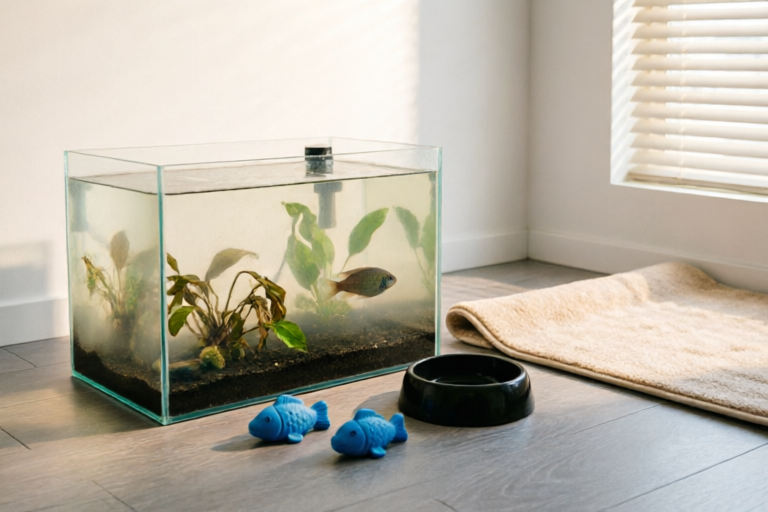
Why Your Aquarium Water Keeps Turning Cloudy
Clear Water, Happy Fish
### Article Outline: Why Your Aquarium Water Keeps Turning Cloudy
1. Introduction to the Problem
Definition of cloudy aquarium water: Cloudy aquarium water refers to water that appears murky or hazy, often due to suspended particles or microorganisms. This can range from a slight cloudiness to an almost opaque state.
Common concerns and misconceptions about cloudy water: Many aquarists worry that cloudy water is always harmful to their fish. However, mild cloudiness can sometimes be temporary and not necessarily indicative of a serious issue. Misconceptions include thinking that adding more water will solve the problem or that cloudiness is solely caused by algae.
Importance of maintaining clear water for fish health: Clear water is essential for the well-being of your fish. It allows them to breathe properly, reduces stress, and helps prevent diseases. Maintaining good water quality ensures that your aquatic pets thrive in a healthy environment.
2. Causes of Cloudy Aquarium Water
Excess nutrients (nitrate, phosphate): High levels of nitrates and phosphates can lead to cloudy water. These nutrients come from fish waste, uneaten food, and decaying organic matter. They encourage the growth of bacteria and algae, which contribute to cloudiness.
Overfeeding leading to uneaten food: Feeding your fish too much can result in leftover food particles floating in the water, causing it to become cloudy. Uneaten food breaks down, releasing nutrients that further exacerbate the problem.
Algae blooms due to high light exposure or excess nutrients: Algae thrive in environments rich in nutrients and light. If your aquarium receives too much direct sunlight or artificial lighting, algae may bloom, turning the water green or brownish.
Poor water circulation and filtration: Insufficient water flow and inadequate filtration can prevent proper removal of debris and waste, leading to cloudy water. Ensure that your filter is functioning correctly and that water is circulating adequately throughout the tank.
Introduction of new fish or plants: Adding new inhabitants to your aquarium can introduce bacteria and other microorganisms that initially cause cloudiness. This is often a sign of the nitrogen cycle establishing itself in the tank.
3. Testing and Diagnosing the Issue
How to test water parameters (pH, ammonia, nitrite, nitrate, phosphate): Regularly testing your water for pH, ammonia, nitrite, nitrate, and phosphate levels is crucial. Use reliable test kits available at pet stores or online. Follow the instructions carefully to ensure accurate readings.
Common mistakes in water testing: Some common errors include not shaking the test kit vials enough, failing to wait for the required reaction time, or using expired reagents. Always check the expiration date on your test kits and follow the manufacturer's guidelines.
Interpreting test results to identify the root cause: Once you have your test results, compare them against ideal ranges for your specific type of fish and aquarium setup. Elevated levels of ammonia, nitrite, or phosphate are strong indicators of nutrient overload, while low oxygen levels might point to poor circulation.
4. Solutions to Clear Up Cloudy Water
Adjusting feeding schedules and portion sizes: Feed your fish only what they can consume within a few minutes. Remove any uneaten food promptly to prevent it from breaking down in the water.
Enhancing filtration systems with additional filters or media: Consider upgrading your filtration system or adding extra filter media to improve its effectiveness. Carbon, mechanical, and biological filtration are all important for maintaining clean water.
Controlling algae growth through light management and chemical treatments: Limit the amount of light your aquarium receives each day, especially if you notice algae blooms. You can also use chemical treatments specifically designed to control algae growth, but always follow the instructions carefully.
Performing regular water changes and cleaning procedures: Regular water changes (about 10-20% weekly) help remove excess nutrients and waste. Clean the filter media and vacuum the substrate to eliminate debris.
Quarantine new additions before introducing them to the main tank: Quarantining new fish or plants for a period of time (usually 2-4 weeks) helps prevent the introduction of harmful bacteria or parasites into your main tank.
5. Preventative Measures for Long-Term Success
Establishing a routine maintenance schedule: Develop a consistent maintenance routine that includes regular water changes, filter cleaning, and monitoring water parameters. Stick to this schedule to keep your aquarium in top condition.
Proper cycling of new tanks: Cycling a new tank is essential to establish beneficial bacteria that convert harmful ammonia and nitrite into less toxic nitrate. This process typically takes 4-6 weeks.
Monitoring water quality regularly using test kits: Regular testing helps you stay ahead of potential issues. Keep a log of your test results to track changes over time.
Educating yourself on the specific needs of your aquarium inhabitants: Understanding the requirements of your fish, plants, and other tank inhabitants allows you to create an optimal environment. Research the species you have and adjust your care accordingly.
6. Conclusion and Final Tips
Recap of key points discussed: Cloudy aquarium water can be caused by various factors, including excess nutrients, overfeeding, algae blooms, poor circulation, and introducing new fish or plants. By understanding these causes and implementing appropriate solutions, you can maintain clear water for your aquatic pets.
Encouragement for proactive care rather than reactive fixes: Taking proactive steps to maintain water quality is far more effective than waiting for problems to arise. Regular maintenance and monitoring can prevent many issues before they start.
Additional resources for further learning and troubleshooting: There are numerous books, websites, and forums dedicated to aquarium care. Joining local hobbyist groups or online communities can provide valuable insights and support.
Comments

I managed to control the algae by cutting back on light hours. It was a tough battle, but worth it!

I've been doing weekly water changes and my tank looks great now. Maintenance really pays off!

My algae problem is so bad that I'm thinking of getting a UV sterilizer. Anyone have experience with this?

I cleaned the filter and did a big water change, but the cloudiness is still there. What else can I try?

Just introduced some new fish and noticed the water got cloudy. Should I wait or do something immediately?

After testing my water, I found out I had way too much phosphate. Switched to a better filter and things are looking clearer now!

I tried reducing the feeding portions and it helped a bit! Still struggling with algae though, any advice?