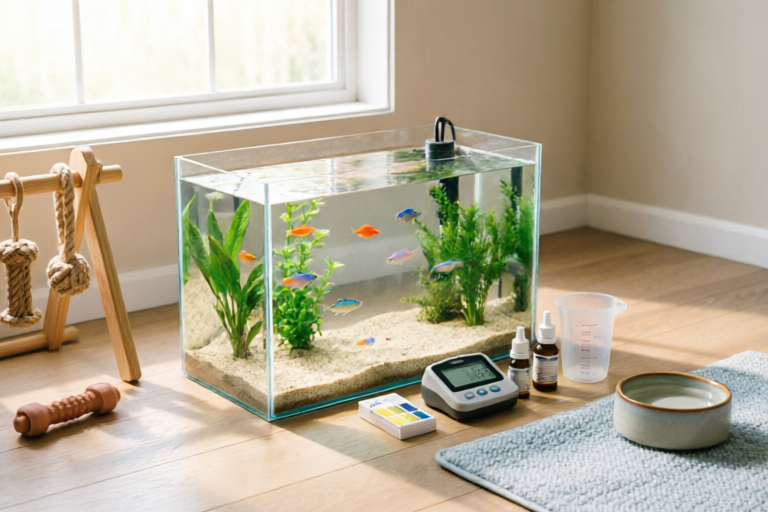
Why Water Quality Matters for Aquatic Pets
Healthy Water, Happy Aquatic Pets
Introduction to the Importance of Water Quality
Water quality refers to the chemical, physical, and biological characteristics of water that determine its suitability for various uses, including the care of aquatic pets. For fish, amphibians, and other water-dwelling creatures, maintaining high water quality is essential for their well-being. In this article, we will explore why water quality matters, common aquatic pets and their specific water needs, and how to ensure optimal water conditions.
Common Aquatic Pets and Their Specific Water Needs
Aquariums are home to a variety of aquatic pets, each with unique requirements. Fish, such as tropical species like guppies and bettas, thrive in warm, slightly acidic water. Amphibians, like frogs and salamanders, need environments that mimic their natural habitats, which often include both water and land areas. Properly understanding and meeting these specific water needs is crucial for the health and longevity of your aquatic pets.
The Impact of Poor Water Quality on Aquatic Pets' Health
Poor water quality can have serious consequences for aquatic pets. Contaminants and suboptimal conditions can lead to diseases and stress, reducing the lifespan and quality of life for your pets. Let's delve into the effects of poor water quality and some common health issues it can cause.
Contaminants and Diseases
Contaminants in the water, such as excess ammonia, nitrites, and nitrates, can be harmful to aquatic pets. These substances can disrupt the balance of beneficial bacteria in the tank, leading to an unhealthy environment. Additionally, poor water quality can weaken the immune system of your pets, making them more susceptible to diseases.
Stress and Behavioral Changes
Inadequate water conditions can also cause stress in aquatic pets, leading to behavioral changes. Fish may become lethargic, lose their appetite, or exhibit abnormal swimming patterns. Amphibians might show signs of distress, such as hiding excessively or refusing to eat. Addressing these issues promptly is vital for the well-being of your pets.
Essential Water Parameters for Aquatic Pet Health
Maintaining the right water parameters is key to ensuring the health of your aquatic pets. Here are some critical factors to monitor:
pH Levels
The pH level measures the acidity or alkalinity of the water. Most fish prefer a neutral pH around 7. However, different species have varying pH preferences. It's important to research the specific requirements of your pets and maintain the appropriate pH level.
Ammonia, Nitrite, and Nitrate Concentrations
High levels of ammonia, nitrite, and nitrate can be toxic to aquatic pets. Ammonia is produced by fish waste and uneaten food, while nitrite and nitrate are byproducts of the nitrogen cycle. Regular testing and management of these levels are essential for a healthy aquarium.
Temperature and Oxygen Levels
Consistent temperature and adequate oxygen levels are also crucial. Fish require specific temperature ranges depending on their species, and low oxygen levels can lead to suffocation. Using heaters and air pumps can help maintain the ideal conditions.
Techniques for Monitoring and Maintaining Water Quality
Monitoring and maintaining water quality involves regular testing and adjustments. Here are some methods and tips to keep your aquatic pets' environment healthy.
Testing Water Parameters
You can test water parameters using at-home kits or hire professional services. At-home kits are convenient and affordable, allowing you to test pH, ammonia, nitrite, and nitrate levels regularly. Professional services provide more accurate results and can offer expert advice on maintaining optimal conditions.
Regular Water Changes
Performing regular water changes is one of the most effective ways to maintain water quality. Aim to change about 10-20% of the water weekly, depending on the size of your tank and the number of pets. This helps remove harmful substances and replenish necessary minerals.
Filter Maintenance
Proper filter maintenance is crucial for keeping the water clean. Filters remove debris, waste, and toxins from the water, but they need regular cleaning and replacement of media to function effectively. Follow the manufacturer's guidelines for optimal performance.
The Role of Filtration Systems in Water Quality Management
Filtration systems play a vital role in maintaining water quality. There are several types of filtration systems, each with its own benefits.
Types of Filtration Systems
There are three main types of filtration systems: mechanical, biological, and chemical. Mechanical filters trap large particles, biological filters support beneficial bacteria that break down harmful substances, and chemical filters remove dissolved impurities.
Benefits of Proper Filtration
Proper filtration helps keep the water clean and healthy, preventing the buildup of harmful substances. It also supports the growth of beneficial bacteria, which are essential for the nitrogen cycle. Regular maintenance of filtration systems ensures that your aquatic pets live in a safe and comfortable environment.
Conclusion: Ensuring Optimal Water Conditions for Happy Aquatic Pets
Ensuring optimal water conditions is essential for the health and happiness of your aquatic pets. By understanding the importance of water quality, monitoring essential water parameters, and maintaining proper filtration systems, you can create a thriving environment for your fish, amphibians, and other aquatic pets. Remember to perform regular water changes, test water quality, and maintain filters to keep your pets healthy and vibrant.
Comments

I've tried the at-home kits. They work great, but can be tricky to use sometimes.
My pond's water quality has been terrible lately. This gives me hope!
Been keeping fish for years but learned some new tricks here. Good read!

Thanks for the info! I've been struggling with algae buildup. Any advice on that?

I switched to a better filter after reading this. My tank looks cleaner already!

I've had the same problem with my frogs. Will definitely try regular water changes. Fingers crossed!
Great tips! I'm still unsure about pH levels though. Any recommendations for beginners?

Really helped me understand why my fish were always stressed. I changed the water more often and added a filter - they're much happier now!