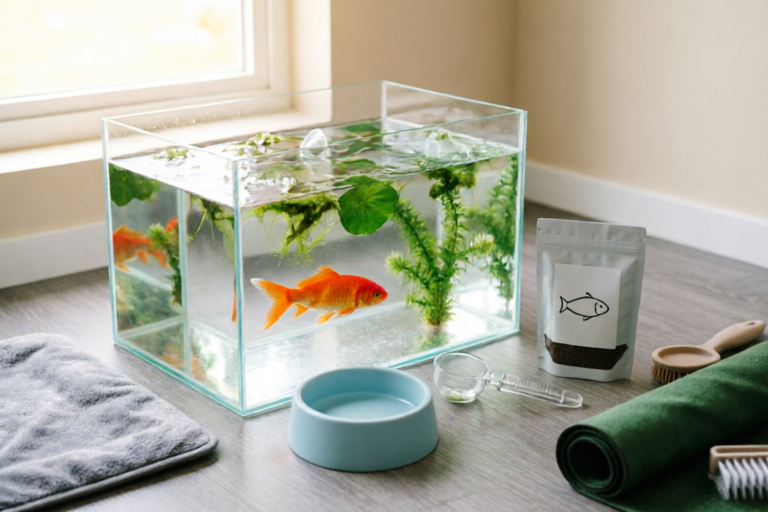
Top Tips for Beginner Aquatic Pet Owners
Start Your Aquatic Journey with Confidence
Top Tips for Beginner Aquatic Pet Owners
1. Introduction to Aquatic Pets
Welcome to the fascinating world of aquatic pets! Whether you're considering fish, frogs, or turtles, these creatures can bring joy and beauty to your home. However, they also come with specific needs that require careful consideration. Before diving in, it's crucial to understand the benefits and challenges of owning aquatic pets.
Brief Overview of Popular Aquatic Pets
Fish are perhaps the most common choice for beginners due to their vibrant colors and relatively low maintenance. Frogs, on the other hand, offer a more unique experience with their distinct behaviors and habitats. Turtles, especially small species like red-eared sliders, are popular for their longevity and interactive nature.
Importance of Research Before Getting an Aquatic Pet
Before bringing home any aquatic pet, thorough research is essential. Each species has its own dietary requirements, living conditions, and health concerns. Understanding these factors will help ensure a happy and healthy pet.
Benefits and Challenges of Owning Aquatic Pets
One of the primary benefits of owning aquatic pets is the serene environment they create. Watching fish swim gracefully or observing a turtle bask can be incredibly relaxing. Additionally, caring for these animals can teach responsibility and provide a sense of accomplishment. However, maintaining a proper habitat and ensuring the health of your pets requires time and commitment.
2. Setting Up the Right Habitat
Creating a suitable habitat is one of the most important steps in aquatic pet ownership. The wrong setup can lead to stress and illness for your pets. Here’s what you need to know:
Choosing the Right Tank Size and Type
The size of the tank depends on the species and number of pets you plan to keep. For example, a 20-gallon tank is usually sufficient for a single goldfish, while larger tanks are necessary for community fish setups. Consider the type of tank as well—glass, acrylic, or plastic—each has its pros and cons.
Essential Equipment: Filters, Heaters, Lighting
A reliable filter is crucial for maintaining clean water. Choose one based on your tank size and the specific needs of your pets. A heater ensures the water remains at the optimal temperature, especially for tropical fish. Adequate lighting not only enhances the aesthetics but also supports plant growth and simulates natural day-night cycles.
Proper Substrate and Decorations for a Healthy Environment
The substrate should match the natural habitat of your pets. For instance, sand is ideal for bottom-dwelling fish, while gravel works well for most freshwater fish. Decorations like rocks, plants, and driftwood provide hiding spots and enrich the environment. Ensure all items are safe and non-toxic.
3. Water Quality Management
Maintaining good water quality is vital for the health of your aquatic pets. Poor water conditions can lead to stress, disease, and even death. Here’s how to manage it effectively:
Understanding Water Parameters (pH, Ammonia, Nitrite, Nitrate)
Water parameters include pH levels, ammonia, nitrite, and nitrate. These indicators reflect the overall health of your tank. For example, a pH level between 6.8 and 7.6 is generally suitable for most fish, while ammonia and nitrite should be undetectable. Nitrate levels should remain below 20 ppm.
Regular Water Testing and Maintenance Schedule
Test your water regularly using a reliable test kit. Create a maintenance schedule that includes weekly water changes and cleaning of filters. This helps prevent the buildup of harmful substances and keeps your pets thriving.
Techniques for Water Changes and Filtration
When changing water, use a siphon to remove debris from the substrate. Replace about 10-20% of the water each week. Ensure the replacement water matches the existing water in terms of temperature and chemistry. Proper filtration is key; regular cleaning and maintenance of filters will keep them functioning optimally.
4. Feeding and Nutrition
Proper nutrition is essential for the health and longevity of your aquatic pets. Different species have varying dietary needs, so it’s important to choose the right food and feed appropriately.
Types of Food Suitable for Different Aquatic Species
Fish typically thrive on commercial flake or pellet foods. For herbivorous species, algae wafers or vegetable-based foods are recommended. Carnivorous fish may require live or frozen foods such as brine shrimp or bloodworms. Frogs and turtles often enjoy a mix of commercial pellets and fresh fruits or vegetables.
Portion Control and Feeding Frequency
Overfeeding can lead to poor water quality and health issues. Feed your pets only what they can consume within a few minutes. Fish should be fed once or twice daily, while frogs and turtles might require less frequent meals.
Importance of Variety in Diet and Supplements
Providing a varied diet ensures your pets receive all necessary nutrients. Consider supplementing with vitamin-rich foods or specialized supplements if needed. Consult with a veterinarian or experienced aquarist for personalized advice.
5. Health Care and Maintenance
Just like any pet, aquatic animals can fall ill. Early detection and prompt treatment are critical for their recovery.
Recognizing Signs of Illness in Aquatic Pets
Common signs of illness include lethargy, loss of appetite, unusual swimming patterns, or visible lesions. Regular observation can help catch these symptoms early. If you notice anything amiss, act quickly.
Basic First Aid and Quarantine Procedures
In case of minor injuries or illnesses, basic first aid can be administered. However, severe cases should be treated by a professional. Quarantining new pets for several weeks helps prevent the introduction of diseases to your established tank.
Regular Health Check-Ups and Preventive Care
Schedule routine check-ups with a veterinarian specializing in aquatic animals. They can perform tests, provide vaccinations, and offer advice on maintaining your pets' health.
6. Creating a Safe and Stimulating Environment
Ensuring your aquatic pets have a safe and engaging environment is crucial for their well-being.
Ensuring Safety from Predators and Hazards
Aquariums should be securely covered to prevent escapes and accidental falls. Remove any sharp objects or toxic plants that could harm your pets. Ensure the tank is placed away from direct sunlight and drafts.
Providing Mental Stimulation Through Toys and Enrichment Activities
Toys and enrichment activities can enhance the lives of your aquatic pets. Floating logs, tunnels, and interactive feeding devices can encourage exploration and play. Rotate toys periodically to maintain interest.
Social Interaction and Companionship for Solitary Species
Some species, like certain types of fish, enjoy the company of others. Keeping compatible species together can reduce stress and promote social behavior. However, always research compatibility before introducing new pets to your tank.
Conclusion
Owning aquatic pets is a rewarding experience filled with beauty and responsibility. By following these tips—researching thoroughly, setting up the right habitat, managing water quality, providing proper nutrition, attending to health care, and creating a safe and stimulating environment—you can ensure your aquatic friends live long, healthy, and happy lives.
Remember, responsible pet ownership involves continuous learning and adaptation. There are numerous resources available online and through local pet stores and veterinarians. Stay informed, stay committed, and enjoy the journey with your aquatic companions!
Comments

Goldfish are such fun pets. Just started feeding them once a day instead of twice. Seems to work better!

My turtle seems lonely. Should I get another one as a companion? Or is that not necessary?
Added some plants and rocks to my aquarium. My fish love swimming around them. It's like they have their own little playground!
I've been testing the pH levels regularly, but my fish still look a bit sluggish. Any ideas what might be wrong?

Feeding my frogs pellets and live insects. They seem to enjoy it, but I'm not sure if I'm giving them enough variety.

I'm trying to figure out how often I should be changing the water for my turtle. Anyone have tips on maintaining good water quality?

Just got my first fish tank set up! Using a 55-gallon tank for my goldfish. Filters and heaters are a must, right?