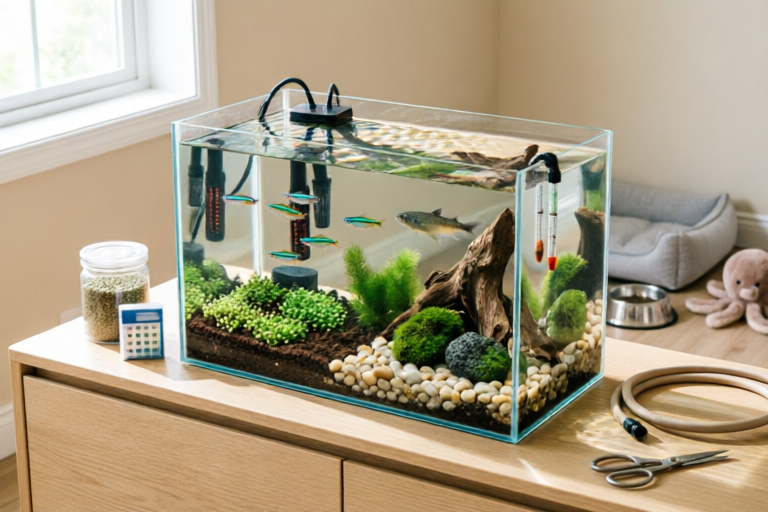
How to Set Up a Healthy Aquatic Pet Tank
Create a Thriving Aquatic Environment for Your Pets
1. Introduction to Aquatic Pet Tanks
Overview of the Importance of Setting Up a Healthy Aquatic Pet Tank: A well-maintained aquatic pet tank is essential for the health and longevity of your aquatic pets. Whether you're keeping fish, shrimp, frogs, or other aquatic creatures, a properly set-up tank can significantly enhance their quality of life.
Brief Mention of Common Types of Aquatic Pets: Fish are the most popular choice for aquariums, but other fascinating options include shrimp, frogs, and even certain species of turtles. Each type of pet has unique requirements that must be considered when setting up their tank.
Importance of Proper Tank Setup for Pet Health and Longevity: The right tank setup ensures a balanced ecosystem where your pets can thrive. This includes providing adequate space, proper filtration, and consistent water quality. Neglecting these factors can lead to stress, illness, and premature death for your aquatic pets.
2. Choosing the Right Tank Size and Type
Factors to Consider When Selecting a Tank Size
When choosing the right tank size, it's important to consider the species of your aquatic pets, the number of pets you plan to keep, and the amount of swimming space they require. Larger tanks generally provide more stability for water chemistry and temperature, reducing the risk of sudden changes that could stress your pets.
Different Types of Tanks
There are several types of tanks to choose from, each suited to different types of aquatic pets:
- Freshwater Tanks: Ideal for fish like guppies, tetras, and goldfish.
- Marine (Saltwater) Tanks: Suitable for coral reefs, tropical fish, and invertebrates.
- Biotope Setups: Mimic natural habitats, such as Amazonian rivers or African lakes.
Tips for Choosing the Right Filtration System
A reliable filtration system is crucial for maintaining clean and healthy water. There are three main types of filtration:
- Mechanical Filtration: Removes solid waste particles from the water.
- Biological Filtration: Supports beneficial bacteria that break down harmful substances.
- Chemical Filtration: Absorbs toxins and impurities using activated carbon or resin.
Choose a filtration system that matches the size of your tank and the needs of your pets.
3. Proper Filtration and Water Quality Maintenance
Types of Filters and Their Functions
Filtration systems play a vital role in maintaining water quality. Mechanical filters remove debris, biological filters support beneficial bacteria, and chemical filters absorb toxins. Understanding the different types of filters and their functions will help you select the best system for your tank.
Importance of Regular Water Testing and Maintenance Routines
Regular water testing is essential to monitor key parameters such as pH, ammonia, nitrite, and nitrate levels. These tests should be conducted weekly to ensure the water remains safe for your aquatic pets. Consistent maintenance routines, including partial water changes and cleaning the filter, also contribute to long-term tank health.
Common Water Parameters to Monitor
The following water parameters should be monitored regularly:
- pH: Measures the acidity or alkalinity of the water.
- Ammonia: Toxic to aquatic pets, especially at high levels.
- Nitrite: Another toxic substance produced by bacteria breaking down ammonia.
- Nitrate: Less harmful than ammonia and nitrite but still requires monitoring.
Keeping these parameters within safe ranges will promote a healthy environment for your pets.
4. Setting Up the Ideal Tank Environment
Guidelines for Choosing Appropriate Substrate, Decorations, and Plants
Selecting the right substrate, decorations, and plants is crucial for creating a comfortable and stimulating environment for your aquatic pets. Choose substrates that match the natural habitat of your pets and avoid those that may release harmful substances into the water. Decorations and plants not only enhance the aesthetic appeal of the tank but also provide hiding spots and resting areas for your pets.
Creating Hiding Spots and Resting Areas
Providing hiding spots and resting areas is essential for the well-being of your aquatic pets. Many species feel more secure when they have places to hide, which reduces stress and promotes healthy behavior. Floating plants, caves, and driftwood are excellent choices for creating these spaces.
Lighting Requirements for Different Types of Tanks
Proper lighting is important for both the health and appearance of your tank. Different types of tanks have varying lighting requirements:
- Freshwater Tanks: Low to moderate light intensity is usually sufficient.
- Marine Tanks: Higher light intensity is often required for corals and other photosynthetic organisms.
- Planted Tanks: Brighter lighting is necessary to support plant growth.
Choose lighting that matches the specific needs of your tank and its inhabitants.
5. Feeding and Nutrition for Aquatic Pets
Types of Food Suitable for Different Aquatic Species
Different species of aquatic pets have different dietary requirements. For example, herbivorous fish like plecos thrive on algae wafers and blanched vegetables, while carnivorous fish like bettas prefer live or frozen foods. Research the specific nutritional needs of your pets to provide a balanced diet.
Feeding Schedules and Portion Control
Establish a consistent feeding schedule and stick to it. Overfeeding can lead to poor water quality and health problems for your pets. Feed your pets small portions multiple times a day rather than one large meal. This approach helps maintain stable water conditions and prevents excess waste.
Avoiding Overfeeding and Its Negative Effects on Tank Health
Overfeeding can cause a buildup of uneaten food, leading to increased ammonia and nitrite levels. This can stress your pets and make them more susceptible to disease. To avoid overfeeding, observe your pets' eating habits and adjust the portion sizes accordingly.
6. Regular Maintenance and Troubleshooting
Weekly and Monthly Tasks to Keep the Tank in Optimal Condition
To maintain a healthy tank, perform the following tasks regularly:
- Weekly: Test water parameters, feed pets, and clean the tank glass.
- Monthly: Perform partial water changes and clean the filter media.
Consistent maintenance helps prevent issues before they become serious problems.
Common Issues and How to Resolve Them
Some common issues that may arise in an aquarium include:
- Algae Growth: Reduce light exposure and increase water circulation to control algae.
- Cloudy Water: Perform a partial water change and check for signs of overfeeding or poor filtration.
- Sick Fish: Quarantine affected fish and consult with an aquarium expert if needed.
When to Seek Professional Help from an Aquarium Expert
If you encounter persistent issues or notice unusual behavior in your pets, it may be time to seek professional advice. An experienced aquarium expert can provide valuable insights and solutions tailored to your specific situation.
7. Conclusion: Ensuring Long-Term Success
In conclusion, setting up a healthy aquatic pet tank requires careful planning and attention to detail. By following the guidelines outlined in this article, you can create a thriving environment for your aquatic pets. Remember to regularly monitor water quality, provide appropriate feeding, and maintain the tank environment. As a responsible aquarist, continue learning and adapting to ensure the long-term success of your aquatic pets.
Comments

Adding live plants was a game changer. My shrimp are eating the algae off the leaves! Cool, right?

I tried setting up a small tank for my kids' goldfish but it didn't work out. Any advice for beginners like me?

I switched to a biotope setup and my fish are thriving. Great article!
I've been testing my water weekly and it's made a huge difference. No more cloudy water!
I followed the feeding schedule and it really helped reduce waste. Thanks for the tips!

My frogs love the new hiding spots! But they're still pretty shy. Is that normal?

Great tips! I've been struggling with keeping the pH stable. Any advice on that?
I finally got my filter sorted out after reading this! My betta is much happier now. Anyone else having issues with algae?