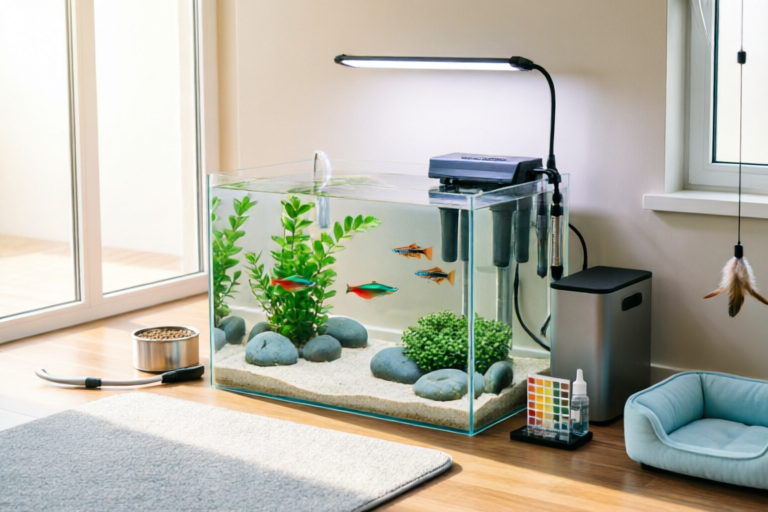
How to Set Up a Healthy Aquarium for Your Fish
Creating a Thriving Aquatic Environment
Introduction to Aquarium Setup
Welcome to the fascinating world of aquariums! Setting up a healthy aquarium is not just about having a beautiful display; it's about ensuring the well-being of your aquatic pets. A properly maintained aquarium provides a stable and clean environment where fish can thrive.
In this comprehensive guide, we'll walk you through each step of creating a healthy aquarium. From selecting the right tank and location to understanding filtration systems and proper stocking, this article will equip you with the knowledge needed to set up and maintain a flourishing aquatic habitat.
Choosing the Right Tank and Location
Factors to Consider When Selecting an Aquarium Size and Shape
The first step in setting up a healthy aquarium is choosing the right tank. The size of the tank should be appropriate for the number and type of fish you plan to keep. Larger tanks are generally better as they offer more stable water conditions and provide ample space for your fish to swim comfortably.
When selecting the shape of the tank, consider the swimming habits of your fish. For example, tall tanks are ideal for species that enjoy vertical swimming, while longer tanks are better suited for species that prefer horizontal movement.
Ideal Placement for Your Aquarium
Once you've chosen the right tank, the next step is to find the perfect spot for it. Avoid placing your aquarium near direct sunlight or heat sources, as these can cause fluctuations in water temperature. Additionally, ensure that the location is stable and secure, preventing any accidental tipping.
Filtration Systems and Water Quality Management
Types of Filtration Systems Available and Their Functions
A crucial component of any healthy aquarium is an effective filtration system. There are three main types of filtration systems:
- Mechanical filtration: This removes solid waste from the water, preventing it from clogging other parts of the filter.
- Biological filtration: Beneficial bacteria live on the media within the filter, breaking down harmful ammonia and nitrite into less toxic compounds.
- Chemical filtration: Carbon and other absorbent materials remove dissolved organic compounds and medications from the water.
Each type of filtration plays a vital role in maintaining clean and safe water conditions for your fish.
Tips for Maintaining Optimal Water Parameters
To ensure the health of your fish, it's essential to monitor and manage water parameters such as pH, temperature, and hardness. Here are some tips:
- pH: Maintain a stable pH level between 6.8 and 7.8, depending on the specific needs of your fish species.
- Temperature: Use a heater to keep the water temperature consistent, typically between 72°F and 82°F (22°C to 28°C).
- Water Hardness: Test and adjust the hardness of your water to match the preferences of your fish.
Proper Substrate and Decorations
Selecting Appropriate Substrate Based on Fish Species Needs
The substrate at the bottom of your aquarium serves multiple purposes, including providing a natural-looking environment and serving as a home for beneficial bacteria. Choose a substrate that suits the needs of your fish species:
- For bottom-dwelling fish like catfish, opt for fine sand or small gravel.
- For brightly colored fish, consider using darker substrates to enhance their appearance.
Adding Decor Elements That Provide Hiding Spots and Enhance Aesthetics
Decorations not only make your aquarium visually appealing but also provide hiding spots and resting areas for your fish. Be cautious when adding decorations, ensuring they are non-toxic and do not disrupt the flow of water or create dead zones.
Lighting and Equipment Installation
Understanding the Role of Lighting in Promoting Plant Growth and Simulating Natural Day-Night Cycles
Proper lighting is essential for both the health of your fish and any live plants in the aquarium. Lighting promotes photosynthesis in plants and helps simulate natural day-night cycles. Choose LED lights that mimic natural sunlight and provide the appropriate spectrum for your aquatic plants.
Installing Necessary Equipment Such as Heaters, Air Pumps, and Thermometers
Ensure your aquarium is equipped with essential tools:
- Heater: Keeps the water temperature constant.
- Air Pump: Provides oxygen to the water, especially important if you have live plants.
- Thermometer: Allows you to monitor the water temperature accurately.
Initial Stocking and Ongoing Maintenance
Guidelines for Introducing Fish into the New Setup Safely
Introducing fish to a new aquarium requires careful planning to avoid stress and disease. Start by cycling your tank to establish beneficial bacteria. Once the cycle is complete, introduce fish gradually, one or two at a time, allowing them to acclimate to the new environment.
Regular Maintenance Tasks Including Water Changes, Cleaning, and Monitoring Health Conditions
Consistent maintenance is key to keeping your aquarium healthy. Perform regular water changes, clean filters, and monitor the overall health of your fish. Keep an eye out for signs of illness or stress, such as lethargy, abnormal behavior, or physical changes.
Conclusion: Ensuring Long-term Success
By following the steps outlined in this guide, you'll be well on your way to creating a thriving aquatic environment for your fish. Remember, setting up an aquarium is just the beginning; ongoing care and attention are necessary to ensure long-term success.
Continuous learning about aquarium care will help you address challenges and improve the health of your aquatic pets. Stay informed, stay proactive, and enjoy the rewarding experience of caring for your underwater companions.
Comments

I've been changing the water regularly but still see some algae. Any advice?

Just installed the filter and it's making a huge difference. Less work for me too!

Great tips! My goldfish look healthier after adjusting the water parameters.

I followed the guide but my water keeps getting cloudy. Am I missing something important?

My fish are doing great! I just added a heater and thermometer like you suggested. Thanks!

I tried adding some plants but they're dying. Any tips for keeping them alive?
Finally got my tank set up following these steps! My fish seem happier already. Just wondering if I need to change anything for winter?