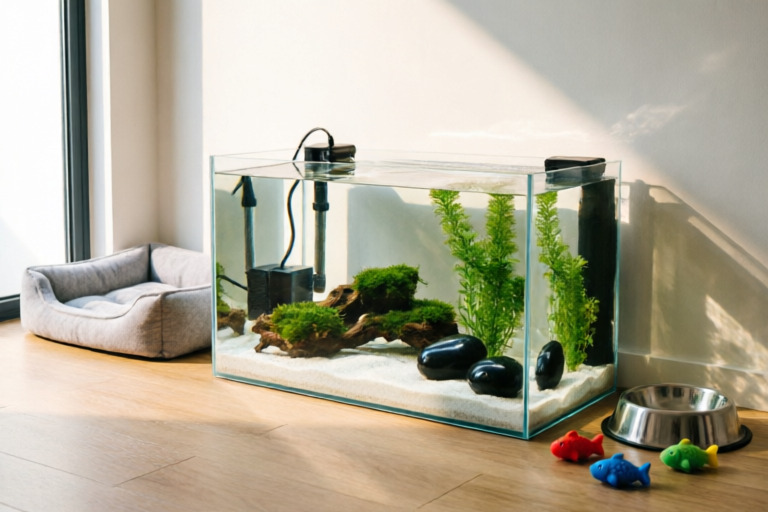
How to Set Up a Healthy Tank for Aquatic Pets
Create a Thriving Environment for Your Aquatic Pets
Introduction to Aquatic Pet Tank Setup
Setting up a healthy tank for aquatic pets is crucial for their well-being. A properly maintained tank ensures that your pets live long, healthy lives. This guide will walk you through the essential steps to create an optimal environment for your aquatic friends.
Importance of Proper Tank Setup
A well-set-up tank provides a stable environment that mimics the natural habitats of aquatic pets. It helps prevent diseases, reduces stress, and promotes overall health. Without proper care, your pets could suffer from poor water quality, leading to health issues.
Overview of Key Components
To ensure a healthy tank, you'll need several key components:
- Filtration systems
- Heating and cooling devices
- Lighting options
- Substrate choices
Selecting the Right Tank Size and Type
The first step in setting up a healthy tank is choosing the right size and type. The size should be appropriate for the species and number of pets you plan to keep.
Factors to Consider When Choosing Tank Size
Consider the following factors when selecting a tank size:
- Species: Different species have different space requirements.
- Number of pets: More pets require more space.
Different Types of Tanks
There are several types of tanks to choose from:
- freshwater tanks: Ideal for freshwater fish like guppies, bettas, and goldfish.
- saltwater tanks: Suitable for marine fish, corals, and invertebrates.
- biotope setups: Replicate specific natural habitats, such as African cichlid tanks or Amazonian biotope tanks.
Tips for Selecting the Best Tank Shape and Material
Choose a tank shape and material that suits your needs:
- Shape: Long, rectangular tanks offer more swimming space.
- Material: Glass tanks are popular for their durability and clarity, while acrylic tanks are lighter and easier to clean.
Essential Equipment for a Healthy Tank Environment
To maintain a healthy tank, you'll need the right equipment. Here's what you'll need:
Filtration Systems
Filtration systems remove waste, debris, and harmful chemicals from the water. There are three main types of filtration:
- Mechanical filtration: Removes large particles like uneaten food and fish waste.
- Biological filtration: Supports beneficial bacteria that break down harmful compounds.
- Chemical filtration: Removes dissolved organic compounds and impurities.
Heating and Cooling Devices
Most aquatic pets thrive within a specific temperature range. Use heaters and coolers to maintain the ideal water temperature.
Lighting Options
Proper lighting is essential for simulating natural day-night cycles and promoting plant growth. Choose lighting that matches the natural environment of your pets.
Substrate Choices
Substrate adds aesthetic value and can influence water chemistry. Choose substrate that suits your aquatic pets' needs:
- Gravel: Popular for its ease of use and low cost.
- Sand: Ideal for bottom-dwelling fish and certain plants.
Water Quality Management
Water quality is critical for the health of your aquatic pets. Maintain proper water parameters by monitoring pH, hardness, ammonia, nitrite, and nitrate levels.
Importance of Maintaining Proper Water Parameters
Poor water quality can lead to health issues, including infections and organ failure. Regularly test and adjust water parameters to ensure optimal conditions.
Techniques for Regular Water Testing and Maintenance
Use water test kits to monitor pH, hardness, ammonia, nitrite, and nitrate levels. Perform routine water changes and filtration to maintain water quality.
Methods for Water Changes and Filtration
Perform partial water changes weekly to remove accumulated toxins. Clean filters regularly to ensure they function effectively.
Creating a Natural Habitat
Create a natural habitat by adding decorations, hiding spots, and plants. These elements provide mental stimulation and promote a balanced ecosystem.
Decorations and Hiding Spots
Add rocks, caves, and driftwood to create hiding spots and provide mental stimulation. Ensure decorations are safe and free from sharp edges.
Plant Selection for Freshwater Tanks
Plants enhance the aesthetics of your tank and improve water quality. Choose hardy plants that thrive in your tank's conditions:
- Anubias: Low-light tolerant and easy to care for.
- Cryptocoryne: Ideal for mid-ground planting.
Live Rock for Saltwater Tanks
Live rock provides a surface for beneficial bacteria and creates hiding spots for marine life. Choose high-quality live rock from reputable suppliers.
Arranging Decorations
Arrange decorations to create a balanced ecosystem. Provide ample swimming space and avoid overcrowding.
Monitoring and Maintaining Your Tank
Regular monitoring and maintenance are essential for keeping your tank healthy. Watch for signs of potential health issues and adjust your routine accordingly.
Signs of Potential Health Issues
Look out for the following signs:
- Floating or sinking fish
- Lethargy or loss of appetite
Regular Cleaning and Maintenance Routines
Perform routine cleaning tasks, such as wiping the glass, removing algae, and cleaning filters. Follow a consistent schedule to keep your tank in top condition.
Adjustments Based on Pet Behavior and Growth
Observe your pets' behavior and adjust your tank setup accordingly. Provide additional space or enrichment as your pets grow.
Conclusion: Ensuring Long-term Health for Your Aquatic Pets
In conclusion, setting up a healthy tank for your aquatic pets requires attention to detail and ongoing care. By following the steps outlined in this guide, you can create a thriving environment for your aquatic friends. Remember to stay informed about new developments in aquatic pet care and adapt your practices as needed.
Comments

I tried rearranging my tank decorations and my goldfish are swimming around more. Thanks for the idea!

The lighting section was super helpful. My fish look so much better now. Is there anything else I should be aware of?

I set up a biotope setup for my shrimp and they love it. What else can I do to keep them healthy?

Great tips! I'm still struggling with algae though. Any solutions for that?

I tried adding more hiding spots as suggested and my fish seem happier. But what kind of plants work best for a beginner?

I've been using live rock in my saltwater tank and it's amazing how much cleaner the water stays. Anyone else use this method?
This really helped me set up my first freshwater tank! I was worried about the water parameters but the testing tips made it easier. Any advice on cycling the tank faster?