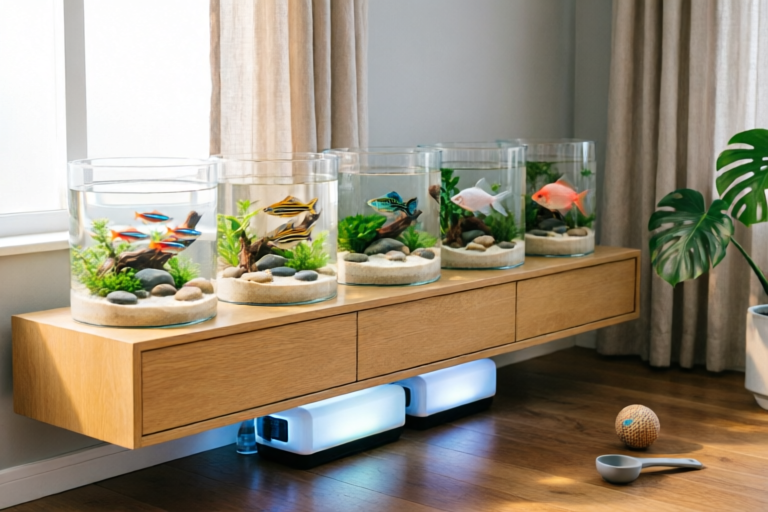
Top 5 Fish Species for Beginner Aquarists
Start Your Aquarium Journey with These Top 5 Fish Species
Introduction to Beginner Aquascaping
Welcome to the exciting world of aquarium keeping! Whether you're a first-time hobbyist or looking to expand your collection, choosing the right fish species is crucial for ensuring a healthy and thriving aquatic environment. In this article, we'll introduce you to the top 5 fish species that are ideal for beginner aquarists.
Overview of Aquarium Keeping for Beginners
Aquarium keeping is a rewarding hobby that allows you to create a mini ecosystem within your home. It requires careful planning and attention to detail, but with the right guidance, it can be an enjoyable experience. One of the most important aspects of aquarium keeping is selecting fish species that are well-suited to your level of expertise and the conditions of your tank.
Importance of Choosing the Right Fish Species
The success of your aquarium largely depends on the fish species you choose. Some fish require specific water conditions, while others are more adaptable. Beginner-friendly fish species are typically hardy, easy to care for, and compatible with a wide range of tank mates. They also tend to have lower maintenance requirements, making them ideal for those new to the hobby.
Brief Introduction to the Top 5 Beginner-Friendly Fish Species
In this guide, we will cover five popular fish species that are perfect for beginners. From vibrant guppies to elegant betta fish, these species offer a variety of colors, behaviors, and care requirements. Let's dive into each one in more detail.
Guppies: The Ideal Starter Fish
Description and Appearance: Guppies are one of the most popular fish species among beginners due to their vibrant colors and ease of care. Males are particularly striking, displaying a wide array of hues ranging from bright reds and oranges to blues and greens. Females, while not as colorful, still add a touch of elegance to any tank.
Easy Care Requirements and Compatibility: Guppies are highly adaptable and can thrive in a variety of water conditions. They prefer slightly alkaline water with a pH between 7.0 and 8.0 and temperatures ranging from 72°F to 82°F (22°C to 28°C). Guppies are peaceful fish and can coexist well with other non-aggressive species. However, it's important to avoid housing them with larger or more aggressive fish that may bully or eat them.
Tips for Maintaining a Healthy Guppy Population: To ensure the health and longevity of your guppies, provide them with a well-balanced diet consisting of high-quality flakes, pellets, and occasional live or frozen foods such as brine shrimp or bloodworms. Regular water changes (about 20% weekly) and proper filtration are essential to maintain water quality. Additionally, maintaining a ratio of one male to two females can help prevent overcrowding and promote a healthy breeding environment.
Betta Fish: A Showstopper for Small Tanks
Unique Characteristics of Bettas (Dwarf Cichlids): Betta fish, often referred to as Siamese fighting fish, are known for their striking beauty and vibrant colors. Males are particularly impressive, displaying long, flowing fins and a wide spectrum of hues. While they are called 'dwarf cichlids,' bettas are actually part of the Osphronemidae family. They are native to Southeast Asia and are found in slow-moving waters such as rice paddies and streams.
Tank Setup and Water Parameters: Bettas are relatively small fish, so they don't require large tanks. A 5-gallon tank is generally sufficient for a single betta. However, if you plan to keep multiple bettas, a larger tank is recommended to ensure adequate space. Bettas prefer slightly acidic water with a pH between 6.5 and 7.0 and temperatures ranging from 76°F to 82°F (24°C to 28°C). A good filter is essential for maintaining water quality, but it should not create strong currents, as bettas are not strong swimmers.
Feeding and Behavior Management Tips: Bettas are carnivorous and should be fed a diet rich in protein. High-quality betta pellets, freeze-dried bloodworms, and live brine shrimp are all excellent food options. Feed your betta once or twice daily, offering only as much food as they can consume in 2-3 minutes. Overfeeding can lead to poor water quality and health issues. Additionally, bettas are territorial and may become aggressive towards other males. It's best to house them alone or with non-aggressive female companions.
Neon Tetras: Adding Color to Your Aquarium
Popularity and Visual Appeal: Neon tetras are one of the most popular fish species among aquarists due to their stunning appearance. These small, schooling fish are known for their vibrant blue and silver stripes, which seem to glow under aquarium lighting. Their sleek, torpedo-shaped bodies make them graceful swimmers, adding a dynamic element to any tank.
Schooling Behavior and Social Needs: Neon tetras are schooling fish, meaning they feel safest when swimming in groups. For optimal health and behavior, it's recommended to keep at least six neon tetras together. They are peaceful and compatible with a wide range of tank mates, making them ideal for community tanks. Neon tetras are social creatures and enjoy the company of their own kind, so providing ample hiding spots and plants can help reduce stress and promote a healthy environment.
Tank Size and Filtration Recommendations: Neon tetras prefer slightly acidic water with a pH between 6.0 and 7.0 and temperatures ranging from 72°F to 78°F (22°C to 26°C). A 10-gallon tank is suitable for a small school of neon tetras, but a larger tank is preferable for a larger group. Adequate filtration is essential to maintain water quality, but it should not produce strong currents, as neon tetras are sensitive to rapid water movement. Regular water changes (about 20% weekly) and proper filtration will help ensure a healthy environment for your neon tetras.
Cory Catfish: Bottom Dwellers for Peaceful Tanks
Role of Cory Catfish in Maintaining Tank Cleanliness: Cory catfish, also known as corydoras, are bottom-dwelling scavengers that play an important role in maintaining tank cleanliness. They are active throughout the day, constantly searching for food particles and algae on the substrate. Their natural behavior helps keep the tank free of debris, reducing the likelihood of water quality issues.
Compatibility with Other Fish Species: Cory catfish are peaceful and compatible with a wide range of tank mates. They are particularly well-suited for community tanks with other peaceful species such as tetras, guppies, and danios. However, it's important to avoid housing them with overly aggressive or fin-nipping fish, as this can lead to stress and injury. Cory catfish prefer to swim in groups, so keeping at least three to five individuals is recommended.
Dietary Preferences and Feeding Schedules: Cory catfish are omnivores and will readily accept a variety of foods, including sinking pellets, flakes, and live or frozen foods such as bloodworms and brine shrimp. While they primarily feed on the bottom, they may also graze on algae and plant matter. It's important to provide a balanced diet to ensure their health and well-being. Feed your cory catfish once or twice daily, offering only as much food as they can consume in 2-3 minutes.
Conclusion: Choosing the Right Fish for Your Setup
In this guide, we've explored five of the best fish species for beginner aquarists: guppies, betta fish, neon tetras, cory catfish, and others. Each of these species offers unique benefits and care requirements, making them ideal for different types of setups. By choosing the right fish species and providing proper care, you can create a thriving and beautiful aquatic environment.
Recap of the Five Best Fish Species for Beginners: Guppies are ideal for their vibrant colors and ease of care, while betta fish offer stunning visuals and are perfect for small tanks. Neon tetras add color and life to your aquarium, and cory catfish help maintain cleanliness. Consider the specific needs and compatibility of each species when setting up your tank.
Final Tips for Successful Aquarium Maintenance: Regular water changes, proper filtration, and a balanced diet are key to maintaining a healthy aquarium. Be sure to monitor water parameters regularly and adjust as needed. Additionally, observe your fish closely for any signs of stress or illness. If you notice any issues, take prompt action to address them.
Encouragement to Explore More Advanced Aquascaping Techniques: Once you've gained some experience with beginner-friendly fish species, consider exploring more advanced techniques such as aquascaping and breeding. There's always something new to learn in the fascinating world of aquarium keeping. Happy aquascaping!
Comments

I started with just one cory catfish, and now I have a whole group! They really do keep the bottom clean.

Great tips! I've been looking into setting up a community tank. Any advice on mixing these species?

Thanks for this list! I was thinking of getting a betta, but after reading your article, I think I'll go with guppies instead.
My corys are great at cleaning up leftover food, but they seem to hide a lot. Is that normal?

Neon tetras are gorgeous, but I've read conflicting info about how many I need for a school. Anyone have advice?

Anyone else have issues with their betta fish getting lonely? I'm thinking of adding more fish but heard they can be territorial.

I've had my guppies for a month now, and they're so easy to take care of! Just wish they'd breed more often.