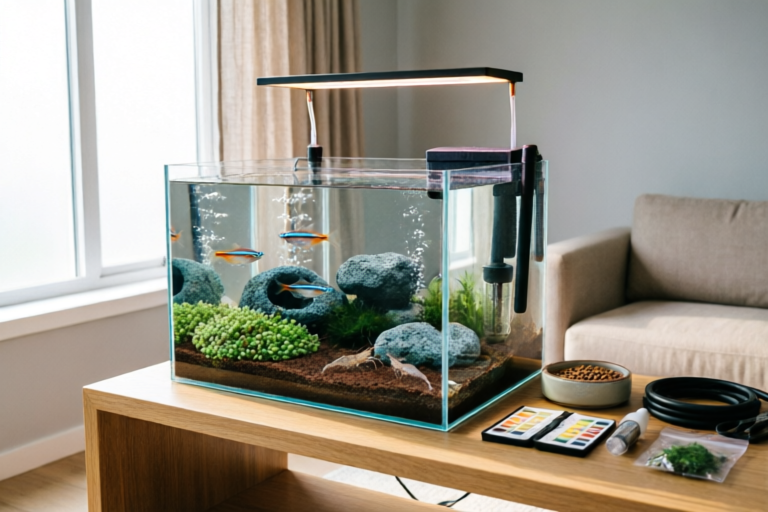
How to Set Up a Healthy Aquatic Pet Habitat
Create a Happy and Healthy Home for Your Aquatic Pets
Introduction to Aquatic Pet Habitats
Aquatic pets, such as fish, frogs, and turtles, bring joy and beauty to many homes. However, setting up a healthy habitat is crucial for their health and longevity. This guide will walk you through the essential steps to create an optimal environment for your aquatic companions.
Importance of a Healthy Aquatic Habitat
A well-maintained habitat ensures that your aquatic pets thrive physically and emotionally. Proper care includes selecting the right tank size, maintaining ideal water conditions, and providing a balanced diet.
Overview of Common Aquatic Pets
Common aquatic pets include freshwater fish, frogs, and turtles. Each species has unique needs, making it important to research specific requirements before setting up their habitat.
Brief Mention of Challenges
Setting up an optimal environment can be challenging, especially for beginners. However, with the right knowledge and tools, you can provide a thriving home for your aquatic pets.
Selecting the Right Aquarium or Tank Size
The size of your aquarium or tank is critical for the health of your aquatic pets. It affects water quality, temperature regulation, and the amount of space available for swimming.
Factors to Consider When Choosing Tank Size
- Species: Different species have varying space requirements.
- Number of Animals: More animals require larger tanks.
- Swimming Space: Ensure there's enough room for your pets to swim comfortably.
Recommended Tank Sizes for Different Types of Aquatic Pets
| Pet Type | Recommended Tank Size |
|---|---|
| Fish (small species) | At least 10 gallons per fish |
| Frogs (small species) | At least 10 gallons per frog |
| Turtles (small species) | At least 40 gallons per turtle |
Tips on Ensuring Proper Water Flow and Filtration
Proper water flow and filtration are vital for maintaining water quality. Choose a filter that matches your tank size and regularly clean it to prevent clogs.
Creating the Ideal Water Conditions
Maintaining ideal water conditions is crucial for the health of your aquatic pets. This section covers temperature control, pH balance, and methods for keeping the water clean and oxygen-rich.
Temperature Control and Its Significance
Each species has a preferred temperature range. Use a thermometer and heater to monitor and maintain the correct temperature.
pH Balance and Water Hardness Requirements
Most aquatic pets prefer a slightly acidic to neutral pH level. Test kits can help you monitor and adjust the pH and water hardness as needed.
Regular water changes and the use of air pumps can help maintain clean and oxygen-rich water. Follow a consistent cleaning schedule to ensure optimal water quality.
Choosing the Right Substrate and Decorations
The substrate and decorations in your aquarium or tank should not only enhance the aesthetic appeal but also provide functional benefits for your aquatic pets.
Benefits of Using Appropriate Substrate Materials
Substrate provides a natural environment for your pets and helps maintain water quality. Choose a substrate that matches the natural habitat of your pets.
Selection of Decorations That Enhance Both Aesthetics and Functionality
Select decorations that offer hiding spots, climbing areas, and resting places. Avoid sharp or rough decorations that could harm your pets.
Avoiding Harmful Elements in Substrates and Decorations
Some substrates and decorations may contain harmful chemicals or sharp edges. Always research and choose safe options for your aquatic pets.
Proper Feeding and Nutrition for Aquatic Pets
Providing a balanced and nutritious diet is essential for the health and longevity of your aquatic pets. This section covers understanding dietary needs, feeding guidelines, and incorporating variety into their diet.
Understanding Dietary Needs Based on Species
Different species have varying dietary requirements. Research the specific needs of your pets and provide a diet that meets those requirements.
Guidelines for Feeding Frequency and Portion Control
Feed your pets at regular intervals and in appropriate portions. Overfeeding can lead to poor water quality and health issues.
Incorporating Variety Into Their Diet for Balanced Nutrition
Incorporate a variety of foods into your pets' diet to ensure they receive all necessary nutrients. Consult with a veterinarian if you're unsure about specific dietary needs.
Monitoring and Maintaining the Habitat
Regular monitoring and maintenance are essential for keeping your aquatic pets healthy and happy. This section covers checking for signs of illness, cleaning schedules, and adjustments needed as your pets grow or change their behavior.
Regular Checks for Signs of Illness or Distress
Monitor your pets for any signs of illness or distress, such as lethargy, loss of appetite, or unusual behavior. Early detection can lead to timely treatment.
Cleaning Schedules and Techniques to Keep the Habitat Hygienic
Establish a regular cleaning schedule and use appropriate techniques to maintain a hygienic habitat. This includes partial water changes, substrate cleaning, and equipment maintenance.
Adjustments Needed as Your Pet Grows or Changes Its Behavior
As your pets grow or change their behavior, you may need to make adjustments to their habitat. This could include adding more space, changing the substrate, or modifying the decor.
Conclusion: Ensuring Long-term Health and Happiness
By following the tips and guidelines outlined in this article, you can create a thriving habitat for your aquatic pets. Remember that ongoing learning and adaptation are key to ensuring long-term health and happiness for your pets.
Recap of Key Points
Ensure your pets have a suitable tank size, ideal water conditions, appropriate substrate and decorations, and a balanced diet. Regularly monitor and maintain their habitat for optimal health.
Encouragement for Ongoing Learning and Adaptation
The world of aquatic pet care is constantly evolving. Stay informed and adapt your practices as needed to provide the best care for your pets.
Resources for Further Reading and Support
Consult books, online resources, and local experts for additional information and support. Join forums and communities to connect with other aquatic pet owners and share experiences.
Comments

Really helpful! I'm planning to get a turtle soon. Is there anything else I should know before setting up the habitat?

Cleaning the tank every week really helps. My fish look healthier now!

I followed the feeding guidelines but my fish seem less active. Could they be bored?

I'm thinking of adding some plants to my frog tank. Do you have any recommendations for non-toxic ones?

Great guide! I used the tips on selecting the right tank size for my betta fish. It's much happier now!

I've had my turtle for a year now and his shell is getting dirty. Should I scrub it? What do you recommend?

Thanks for this! I just set up my first aquarium with a few goldfish. I'm worried about the water temperature though. Any tips on keeping it stable?