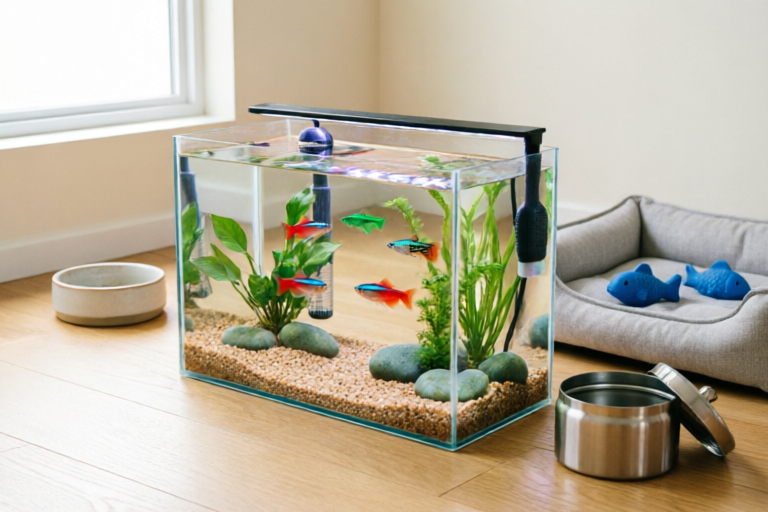
How to Care for Your First Aquarium Fish: A Beginner's Guide
Start Your Aquatic Adventure with Confidence
Introduction to Aquarium Fishkeeping
Welcome to the fascinating world of aquarium fishkeeping! Whether you're drawn by the vibrant colors, the soothing sound of flowing water, or the serene ambiance it brings to your home, owning an aquarium can be a rewarding and enjoyable experience. However, it's important to understand that taking care of aquatic life comes with responsibilities. Proper care ensures the health and longevity of your fish, as well as the beauty and functionality of your aquarium.
Setting Up Your Aquarium
Choosing the Right Tank Size and Location
The first step in setting up your aquarium is selecting the right tank size. Larger tanks are generally easier to maintain because they have more stable water conditions. For beginners, a 20-gallon tank is often recommended. Ensure the tank is placed away from direct sunlight and drafts, which can cause fluctuations in temperature and promote algae growth.
Selecting Appropriate Filtration, Lighting, and Heating Systems
Filtration is crucial for maintaining clean water. Choose a filter that matches the volume of your tank and provides mechanical, biological, and chemical filtration. Lighting is important not only for aesthetics but also for the health of plants and some fish species. If you plan to keep tropical fish, a heater will be necessary to maintain the correct water temperature.
Essential Equipment Checklist for Beginners
- Aquarium stand
- Tank cover or hood
- Substrate (sand, gravel, etc.)
- Heater (for tropical setups)
- Filtration system
- Lighting system
- Water test kit
- Water conditioner
- Net and other cleaning tools
Understanding Water Chemistry
Key Parameters to Monitor
To ensure optimal conditions for your fish, you'll need to regularly monitor several key water parameters:
- pH: The acidity or alkalinity of the water. Most freshwater fish thrive between 6.8 and 7.8.
- Hardness: Measures the amount of dissolved minerals in the water. Soft water is below 120 ppm, while hard water is above 200 ppm.
- Ammonia, Nitrite, and Nitrate: These compounds are toxic at high levels and should be kept as low as possible.
Methods for Testing Water Quality and Maintaining Balance
Use a reliable water test kit to measure these parameters. Regularly test the water and make adjustments as needed. Perform partial water changes (about 10-20% weekly) to remove toxins and replenish beneficial minerals.
Common Mistakes to Avoid in Water Management
Some common errors include overfeeding, which increases waste and ammonia levels, and failing to acclimate new fish properly before introducing them to the tank.
Selecting the Right Fish for Your Setup
Tips on Choosing Compatible Species Based on Tank Size and Temperament
When selecting fish, consider their size, swimming habits, and compatibility with other species. Avoid mixing aggressive fish with peaceful ones. Some popular beginner-friendly species include guppies, tetras, and bettas.
Advice on Stocking Levels to Prevent Overcrowding
A good rule of thumb is to allow 1 inch of fish per gallon of water, but this can vary depending on the specific species. Overstocking leads to poor water quality and stress for your fish.
Recommendations for Hardy Beginner-Friendly Fish Species
- Guppies
- Tetras
- Bettas
- Corydoras Catfish
- Goldfish (for cold-water setups)
Daily Care and Maintenance Routines
Feeding Schedules and Nutrition Basics
Feed your fish small amounts of food multiple times a day rather than large meals once a day. Overfeeding can lead to poor water quality. Provide a balanced diet that includes flakes, pellets, and occasional treats like frozen foods.
Cleaning Techniques for Gravel, Decorations, and Tank Glass
Regularly siphon the substrate to remove debris. Clean decorations and tank glass with a soft brush or magnetic cleaner. Avoid using soap or chemicals that could harm your fish.
Signs of Common Health Issues and How to Address Them
Look out for signs such as lethargy, loss of color, or unusual behavior. If you notice any of these symptoms, check water parameters and adjust accordingly. In severe cases, consult a veterinarian specializing in aquatic animals.
Troubleshooting Common Problems
Identifying and Resolving Issues Like Algae Growth, Water Cloudiness, or Fish Stress
Algae can be controlled by reducing light exposure and maintaining proper water parameters. Cloudy water may indicate poor filtration or excessive nutrients. To reduce stress, provide hiding spots and maintain consistent water conditions.
Emergency Steps if Your Fish Appear Unwell
If your fish show signs of illness, isolate them in a hospital tank with clean water. Treat with appropriate medication and monitor closely.
Long-Term Strategies for Maintaining a Healthy Aquarium Ecosystem
Consistent monitoring, regular maintenance, and gradual changes to the environment help create a stable and thriving ecosystem.
Conclusion and Next Steps
Congratulations on taking the first steps toward becoming a responsible aquarist! By following the guidelines outlined in this guide, you're well on your way to enjoying a healthy and vibrant aquarium. Continue learning about different species and techniques to enhance your skills. Join online communities and forums for support and advice. Happy fishkeeping!
Comments

Thanks for the troubleshooting section. It helped me fix the cloudy water issue.

Great guide! I'm planning to get a heater next. Any recommendations for a beginner-friendly model?

My fish got stressed after moving. Followed the emergency steps and they're better now. Thanks!

I followed the stocking advice and my fish are thriving. Less is definitely more when it comes to overcrowding.

I started with guppies and they're doing great! Feeding them twice a day keeps them active. Is this feeding schedule good for most fish?

I'm still struggling with algae. Any tips on how to reduce it without harming the fish?

Just set up my first tank last week! The water test kit really helped me keep the pH balanced. My fish seem happier already. 🐠