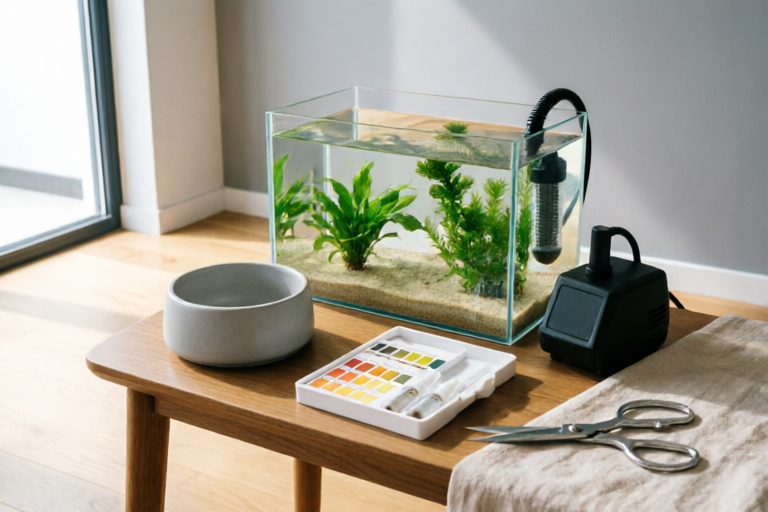
Top 5 Essential Supplies for Aquatic Pet Owners
Ensure the Best Care for Your Aquatic Pets with These Essential Supplies
### Article Outline: Top 5 Essential Supplies for Aquatic Pet Owners
1. Introduction to Aquatic Pets and Their Needs
Breathing life into your home with aquatic pets can be an incredibly rewarding experience. Whether you're drawn to the graceful movements of fish, the quirky personalities of turtles, or the charming antics of frogs, these underwater companions bring a unique charm to any household. However, to ensure their health and well-being, it's crucial to provide them with the right supplies.
Aquatic pets are highly sensitive to their environment, and even small changes can significantly impact their health. Proper supplies not only enhance their living conditions but also contribute to their longevity and happiness. In this article, we'll explore the top five essential supplies that every aquatic pet owner should have.
2. Aquarium or Tank Setup
The foundation of any aquatic pet habitat is its tank or aquarium. The type of tank you choose depends on the species of aquatic pet you have. Fish, for example, require larger tanks with more swimming space, while turtles may need tanks with basking areas and land sections. Frogs, on the other hand, thrive in tanks that mimic their natural habitats, complete with plants and hiding spots.
Types of Tanks Suitable for Different Aquatic Pets
- Fish: Long, rectangular tanks that allow for ample swimming space.
- Turtles: Tubs or tanks with both water and land areas for basking.
- Frogs: Tanks with live plants, rocks, and plenty of hiding places.
Once you've chosen the right tank, it's time to set up the filtration system, heater, and lighting. Filtration systems are essential for keeping the water clean by removing waste and excess nutrients. Heaters maintain the appropriate water temperature, which is critical for the metabolism and overall health of your pets. Lighting systems not only help simulate day and night cycles but also encourage plant growth if you have live plants in the tank.
Tips for Setting Up a Healthy Environment
- Use a high-quality filter that matches the size of your tank.
- Install a reliable heater with a thermostat to maintain consistent water temperatures.
- Choose lighting that provides the right spectrum for your specific aquatic pet.
3. Water Quality Maintenance
Water quality is one of the most critical factors in maintaining the health of your aquatic pets. Poor water quality can lead to stress, disease, and even death. Regular water testing and maintenance are essential to ensure your pets live in a clean and safe environment.
Essential Water Testing Kits
To monitor water quality, invest in a reliable water testing kit. These kits typically measure parameters such as pH, ammonia, nitrite, and nitrate levels. By regularly testing these parameters, you can catch potential issues early and take corrective action before they affect your pets.
Importance of Regular Water Changes
Even with a good filtration system, regular water changes are necessary to remove accumulated toxins and waste products. Aim to change 10-20% of the water weekly, depending on the number of pets and the size of the tank. Always use dechlorinated water to avoid introducing harmful chemicals.
Methods for Maintaining Optimal pH and Temperature Levels
Most aquatic pets prefer slightly acidic to neutral water, with a pH range of 6.8 to 7.2. To maintain optimal pH levels, use pH buffers or adjust the water chemistry accordingly. Temperature is equally important; most tropical fish and turtles thrive at temperatures between 75°F and 82°F (24°C to 28°C). Use a heater with a built-in thermostat to keep the water within the desired range.
4. Proper Nutrition and Feeding Equipment
Just like humans, aquatic pets have specific nutritional requirements based on their species. Providing the right diet is essential for their growth, health, and energy levels. The type of food you choose will depend on whether you have fish, turtles, or frogs.
Recommended Food Types Based on Pet Species
- Fish: Pellets, flakes, and freeze-dried foods are common options. Some fish also enjoy live or frozen foods like brine shrimp or bloodworms.
- Turtles: Commercial turtle pellets, vegetables, and occasional protein sources like crickets or earthworms.
- Frogs: Live insects, such as crickets or mealworms, are ideal. Some frogs also eat fruit or commercial frog pellets.
Automatic Feeders vs. Manual Feeding
Automatic feeders can be a convenient option for busy owners. They dispense food at set intervals, ensuring your pets are fed regularly without the need for constant supervision. However, manual feeding allows you to observe your pets' eating habits and adjust portions as needed.
Storage Solutions to Keep Food Fresh
To prevent spoilage and contamination, store food in airtight containers in a cool, dry place. Freeze-dried or frozen foods should be stored in the freezer, while dry foods can be kept in the refrigerator or pantry. Rotate your stock regularly to ensure freshness.
5. Health Monitoring and First Aid Kits
Even with the best care, aquatic pets can sometimes fall ill. Early detection and prompt treatment are key to preventing serious health issues. Regularly monitoring your pets for signs of illness can help you act quickly.
Common Signs of Illness in Aquatic Pets
- Lethargy or lack of movement.
- Changes in appetite or refusal to eat.
- Abnormal swimming patterns or floating upside down.
- Visible signs of injury or infection, such as redness, swelling, or open sores.
Basic First Aid Supplies Every Owner Should Have
- Antibiotic ointments.
- Hydrogen peroxide for cleaning wounds.
- Saline solution for rinsing eyes or gills.
- Medicated fish food or supplements.
When to Consult a Veterinarian
If you notice persistent symptoms or your pet's condition worsens, it's time to consult a veterinarian who specializes in aquatic pets. They can provide expert advice and treatments tailored to your pet's specific needs.
6. Decorations and Enrichment Items
In addition to functional supplies, adding decorations and enrichment items to your tank can enhance your pet's environment and provide mental stimulation. Decorations not only make the tank more visually appealing but also offer hiding spots and resting areas for your pets.
Benefits of Adding Plants and Rocks to the Tank
Live plants and rocks create a more natural habitat for your aquatic pets. They provide shelter, reduce stress, and promote healthier water conditions by absorbing excess nutrients. Additionally, plants can serve as a source of food for herbivorous fish.
Interactive Toys to Stimulate Your Pet’s Activity
To keep your pets active and engaged, consider adding interactive toys. For example, floating balls or sinking treats can encourage fish to swim and play. Turtles might enjoy climbing structures or floating platforms, while frogs could benefit from tunnels or caves.
Ethical Considerations When Choosing Decorations
Always prioritize the safety and well-being of your pets when selecting decorations. Avoid sharp or toxic materials that could harm your pets. Additionally, ensure that decorations do not overcrowd the tank, leaving enough space for swimming and movement.
7. Conclusion: Ensuring Longevity and Happiness for Your Aquatic Pets
By providing the right supplies and maintaining a healthy environment, you can ensure the longevity and happiness of your aquatic pets. Remember to regularly update and replace supplies as needed to keep your pets thriving. With proper care and attention, your aquatic companions will bring joy and wonder to your home for years to come.
Recap of Essential Supplies Discussed
- Proper tank setup with filters, heaters, and lighting.
- Regular water testing and maintenance.
- Appropriate nutrition and feeding equipment.
- Health monitoring and basic first aid supplies.
- Decorations and enrichment items for a stimulating environment.
Final Tips for Responsible Pet Ownership
- Research your pet's specific needs before purchasing.
- Stay informed about advancements in aquatic pet care.
- Be prepared to make adjustments as your pets grow and mature.
Encouragement to Regularly Update Supplies as Needed
Your aquatic pets deserve the best care possible. Regularly updating and replacing supplies ensures that their environment remains safe, healthy, and enjoyable. By staying proactive and attentive, you'll foster a long-lasting bond with your underwater companions.
Comments

Great article! I always forget about the importance of storage solutions for food. Any recommendations for keeping it fresh longer?
I love the emphasis on regular maintenance. My pond has never looked better after following these tips.

The filter setup advice was spot on. My tank is much cleaner now. Does anyone recommend specific brands for heaters?

Adding some rocks and plants really improved my frog's habitat. It looks more natural and he seems more active.
I tried the first aid kit advice but wasn't sure what to do when my fish got sick. Anyone else have experience with this?
I've been using automatic feeders since reading this. My turtle seems happier now that I'm not disturbing him constantly. Any tips on choosing the right plants?

This really helped! I just set up my first aquarium and was struggling with water quality. Using the test kits made a huge difference. Thanks!