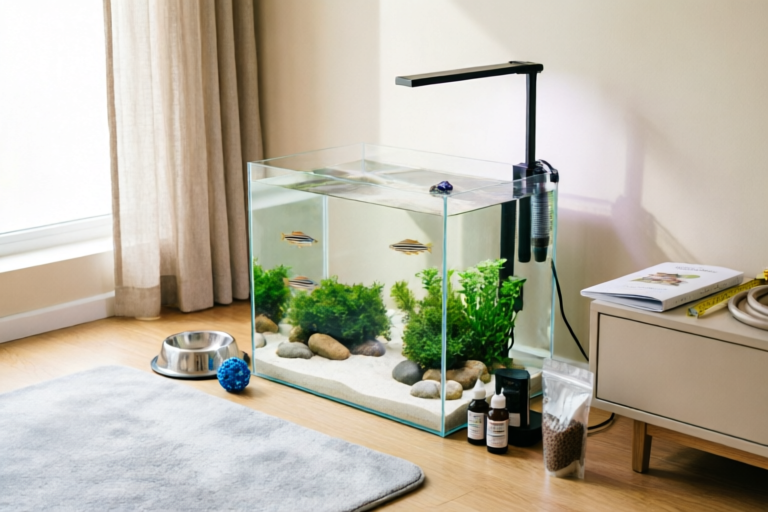
A Complete Beginner Guide to Starting Your First Aquarium Tank
Create a Living Oasis in Your Home
Introduction and Setting Expectations
Starting your first aquarium is an exciting endeavor that combines art, biology, and science. There is something undeniably calming about watching fish glide through a well-planted environment, and for many, it serves as a living piece of decor that brings life into the home. However, before you rush to purchase your first neon tetra or betta fish, it is crucial to understand that aquarium keeping is more than just placing colorful inhabitants in a glass box. It involves creating a self-sustaining ecosystem where water quality, temperature, and chemistry are meticulously managed.
The Benefits of Aquarium Keeping
Research suggests that observing fish can reduce stress, lower blood pressure, and improve overall mental well-being. For families, it offers an educational opportunity to learn about ecology and responsibility. The hobby also rewards patience and dedication. When done correctly, a healthy aquarium can last for decades, serving as a vibrant focal point in your room. Furthermore, modern technology has made the hobby more accessible than ever, with automated systems and pre-packaged starter kits simplifying the initial setup process.
Managing Beginner Expectations
The most common mistake new aquarists make is underestimating the time and commitment required. An aquarium is a living system that reacts quickly to mistakes. Unlike a dog or a cat, fish are sensitive indicators of environmental instability. You cannot leave them alone for weeks without feeding, nor can you ignore cloudy water indefinitely. Success relies on routine and observation. While a properly balanced tank requires minimal intervention once established, the learning curve for setting it up is steep. Patience is your most valuable asset. Do not expect instant results; nature takes time to establish its balance.
Selecting Tank Size and Essential Equipment
The foundation of a successful aquarium begins with choosing the right hardware. Many beginners gravitate towards small bowls or desk-top tanks, which are often unsuitable for most species due to their inability to maintain stable water temperatures and chemistry. To set yourself up for success, investing in a larger volume is generally recommended over buying multiple small tanks.
Choosing the Appropriate Volume
For a beginner, a ten-gallon to twenty-gallon tank is often considered the sweet spot. Larger volumes of water dilute waste products more effectively, meaning the water chemistry stays stable longer even if there is a minor oversight in maintenance. A twenty-gallon long tank provides ample swimming space for schooling fish and allows for a variety of planting styles. When measuring dimensions, consider that height matters less than surface area, as gas exchange happens at the top of the water column. Additionally, ensure you have the physical space for the stand and the water weight, as water weighs approximately 8.3 pounds per gallon.
Filtration Systems
Filtration is the heart of the aquarium. It performs three functions: mechanical (removing particles), chemical (absorbing impurities via carbon), and biological (hosting beneficial bacteria). Mechanical filtration keeps the water clear, while biological filtration is critical for converting toxic ammonia into less harmful substances. Common options include Hang-On-Back (HOB) filters, which are easy to access and ideal for beginners, and Sponge filters, which are gentle on fry but require an air pump. Canister filters offer superior filtration for larger tanks but are more complex to maintain. Regardless of type, the filter must be rated for at least four times the volume of your tank to ensure adequate turnover.
Lighting and Heating
If you plan to keep tropical fish, a reliable submersible heater is non-negotiable. Fish are ectothermic, meaning their body temperature depends on the water. Rapid fluctuations can cause shock or death. A heater with a thermostat allows the water to remain steady around 75°F to 80°F (24°C - 27°C) for most popular species. Lighting serves dual purposes: it helps you see your fish, and if you add plants, it drives photosynthesis. LED lights are energy-efficient and produce less heat. Choose a light with a timer to simulate natural day-night cycles, preventing algae overgrowth caused by excessive light exposure.
Necessary Hardware and Accessories
Do not overlook smaller essentials. A thermometer ensures your heater is working correctly. Gravel or substrate adds biological surface area and anchors plants; dark substrates enhance fish coloration. Plastic ornaments should be rinsed thoroughly to remove dyes. Finally, invest in a water conditioner immediately after purchasing your tank. Tap water contains chlorine and chloramines that are fatal to fish and beneficial bacteria. A good dechlorinator treats the water instantly upon filling the tank.
Establishing a Safe Environment Through Cycling
This phase is arguably the most misunderstood part of starting an aquarium. Before you add any fish, you must cycle your tank. The Nitrogen Cycle is the biological process that converts harmful waste into harmless compounds. Skipping this step is the leading cause of fish loss in new setups.
Understanding the Nitrogen Cycle
In the aquarium environment, fish excrete ammonia through their gills and feces. Ammonia is highly toxic even at low levels. In a mature tank, beneficial bacteria colonize the filter media and substrate. These bacteria convert ammonia into nitrite, which is also toxic but less so. A second type of bacteria then converts nitrite into nitrate. Nitrate is significantly less toxic and can be removed through regular water changes. Without these bacterial colonies, your fish will suffer from “nitrogen poisoning,” resulting in red streaks on fins, gasping at the surface, or death.
Critical Steps for a Fishless Cycle
A fishless cycle is the safest way to prepare your tank. Here is the step-by-step process:
- Set Up the Tank: Fill with treated water, install the filter and heater. Turn everything on and let it run for 24 hours.
- Add a Source of Ammonia: Add pure ammonia solution or a pinch of fish food daily. Aim for about 2 ppm of ammonia.
- Monitor Parameters: Purchase a liquid test kit (strips are often inaccurate). Test daily for ammonia, nitrite, and nitrate.
- Observe the Shift: Initially, ammonia will spike, followed by a rise in nitrite. After several weeks, nitrates will begin to appear, and both ammonia and nitrite readings will drop to zero.
- Confirm Stability: Once ammonia and nitrite are consistently zero, the cycle is complete. This typically takes 4 to 6 weeks. Only now is the water safe for livestock.
Testing Water Parameters
Always test your source water and tank water regularly. pH levels can fluctuate due to the breakdown of waste and plant decay. Ideally, for tropical freshwater fish, pH should stay between 6.5 and 7.5. Temperature stability is equally vital. Avoid cleaning the filter sponges in tap water during cycling; instead, rinse them in water removed from the tank to preserve the beneficial bacteria. Rushing this process leads to the accumulation of toxins that kill fish within days of introduction.
Choosing Compatible Livestock and Flora
With a cycled tank ready, it is time to stock it. The selection of fish and plants determines the long-term peace and health of the aquarium. Adding too much fish or incompatible species will destabilize your water quality and lead to aggression.
Researching Peaceful Fish Species
When selecting fish, stick to species known for being peaceful and hardy. Popular beginner choices include Neons and Cardinals (Tetras), Harlequins, and rasboras, which are active schooling fish that look best in groups of six or more. Males often display brighter colors, but females may lay eggs if conditions permit. Bettas are beautiful but are solitary fighters; never keep two males together. Goldfish are often marketed incorrectly for small bowls; they require massive spaces and produce heavy waste. Catfish like Corydoras are excellent bottom dwellers that help clean up food particles. Always research the adult size of the fish, as they grow larger than expected in captivity.
Stocking Ratios and Aggression
Overcrowding is a major issue. A general rule of thumb is one inch of fish per gallon of water, though this varies by species shape and activity level. High-swimming fish require horizontal space, while vertical swimmers need height. Be cautious with temperaments. Some fish, like Barbs, can be fin-nippers. Mixing aggressive cichlids with delicate tetras is a recipe for disaster. Introduce fish slowly. Start with half the population and wait a week to monitor their behavior and health before adding the rest. This gradual approach allows the bacterial load to adjust to the bioload.
Hardy Aquatic Plants
Live plants provide numerous benefits: they absorb nitrates, oxygenate the water, provide hiding spots for shy fish, and stabilize the aesthetic. For beginners, hardy varieties are essential because they tolerate variable light and nutrient levels. Java Fern and Anubias are excellent choices as they attach to rocks or wood rather than needing substrate. They are slow-growing but nearly indestructible. Vallisneria grows tall and fast, providing background greenery. Amazon Swords are lush and bushy but require root tabs for nutrition. Avoid expensive, soft-leaf plants initially until you gain experience with water parameter management. Artificial plants are an alternative if you cannot provide the necessary light intensity or CO2 for live growth, though they lack water purification capabilities.
Cleanup Crew and Shrimp
Consider adding a cleanup crew to maintain cleanliness. Neocaridina shrimp are attractive and help eat algae and leftover food, but they require stable chemistry. Nerite snails are fantastic algae eaters that do not reproduce in freshwater tanks, preventing overpopulation. They also navigate hard-to-reach corners effectively. However, some shrimp may prey on tiny fish fry, so introduce them with caution depending on your fish species.
Ongoing Care Routines and Final Encouragement
Once your tank is stocked and functioning, the real work shifts to ongoing maintenance. Consistent care prevents major issues and extends the life of your ecosystem. A well-maintained tank rarely sees sudden die-offs, whereas an unwatched one can collapse overnight.
Feeding Schedules
Feeding practices directly impact water quality. Overfeeding is the primary cause of cloudiness and ammonia spikes. Feed your fish only what they can consume in two minutes, twice a day. If food remains at the bottom, you are feeding too much. Remove uneaten food immediately. Vary the diet to include flakes, pellets, frozen brine shrimp, or bloodworms to provide balanced nutrition. Occasionally fasting your fish for one day a week gives their digestive systems a break and reduces waste production.
Water Change Protocols
Regular partial water changes are the most effective way to control nitrates and replenish trace minerals. Perform a 25% water change weekly or a 50% change bi-weekly. During water changes, use a gravel vacuum to suck out debris trapped in the substrate without removing all the water. Never perform a total water change, as this shocks the fish and washes away the beneficial bacteria in the soil. When adding new water, ensure the temperature matches the tank water to prevent thermal shock. Treat all new water with dechlorinator before pouring it in.
Maintenance Schedule Summary
- Daily: Observe fish for signs of illness or aggression. Check that the heater and filter are running.
- Weekly: Clean the glass with an algae scraper. Vacuum the substrate. Top off evaporated water.
- Monthly: Replace filter media (except biological inserts which should only be rinsed). Test water parameters thoroughly.
- Annually: Deep clean the entire system, including hardscape, checking seals, and replacing old tubing or pumps.
Troubleshooting Common Issues
If algae blooms rapidly, your light duration may be too long. Try reducing lighting to 6-8 hours. Yellow leaves or stunted growth indicate nutrient deficiencies. Cloudy water shortly after a change suggests a bacterial bloom; ensure the filter is working. If fish are gasping at the surface, test oxygen levels or ammonia immediately. Patience and data-driven decisions (testing kits) are your best tools for solving these problems.
Concluding Thoughts on Long-Term Success
Starting an aquarium is a journey of learning and appreciation. Mistakes are inevitable, especially in the beginning. A dead fish or a patch of algae is a lesson, not a failure. The reward is a living window into another world that you get to nurture daily. By following these guidelines—starting large, cycling patiently, stocking wisely, and maintaining diligently—you will create a stunning and sustainable aquatic environment. Enjoy the process of building your underwater garden, and remember that your fish are watching you, too.
Welcome to the wonderful hobby of aquarium keeping. Take a deep breath, fill your tank, and let the serenity of the water bring you joy for years to come.
Comments

Great breakdown on the equipment list. Finally buying a proper thermometer instead of those cheap plastic strips!

Wish I had this when I started in college. Ended up with a green soup algae mess 😅

Quick question: how many times a day do I feed? Seems like every video says something different lol

This saved me. I almost killed my first betta by adding fish too soon thanks to old advice online.

Just finished my 20g setup using these steps! Did anyone else struggle with the cycling part initially?