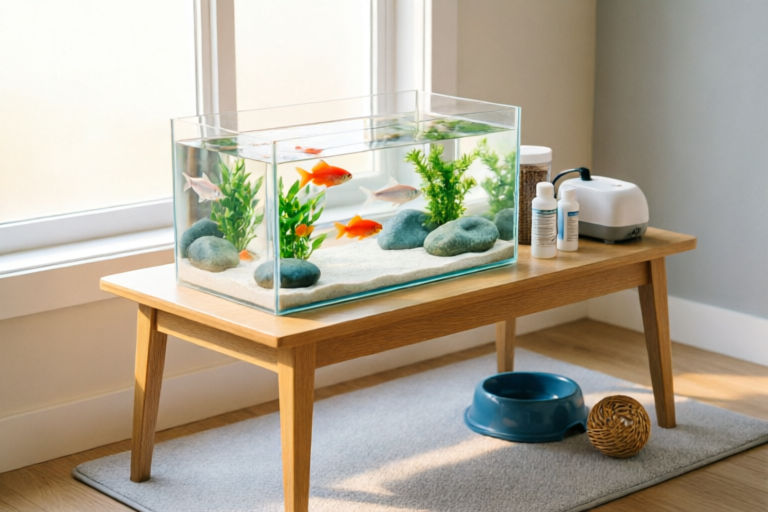
How to Care for Your First Aquarium Fish
Start Your Aquatic Journey with Confidence
Introduction to Aquarium Fish Keeping
Welcome to the fascinating world of aquarium fish keeping! This hobby offers a serene escape, providing joy and relaxation while teaching responsibility and patience. However, it’s crucial to understand the basics before diving in. Proper care ensures the well-being of your aquatic friends and enhances the beauty of your tank.
Setting Up Your Aquarium
Choosing the Right Size and Type of Aquarium
The size and type of your aquarium depend on the number of fish you plan to keep and the space available. A larger tank generally requires less frequent water changes and provides more stability for fish. For beginners, a 20-gallon tank is often recommended as it strikes a balance between ease of management and visual appeal.
Selecting Appropriate Equipment
Essential equipment includes filters, heaters, and lighting systems. Filters help maintain clean water by removing waste and debris. Heaters are necessary for tropical fish that require constant warm temperatures. Proper lighting not only enhances the aesthetic appeal but also supports plant growth if you have live plants.
Properly Cycling Your Tank Before Adding Fish
Cycling your tank involves establishing beneficial bacteria that convert harmful ammonia into less toxic substances. This process can take several weeks. During this period, monitor ammonia, nitrite, and nitrate levels regularly until they stabilize at safe levels.
Selecting Suitable Fish Species
Understanding Basic Fish Compatibility
Not all fish get along well together. Consider factors like size, temperament, and swimming habits when selecting species. Aggressive fish should be housed separately from peaceful ones. Additionally, ensure that the fish you choose have similar environmental requirements regarding temperature and pH levels.
Tips for Choosing Beginner-Friendly Species
Some excellent choices for beginners include guppies, bettas, and neon tetras. These species are hardy, easy to care for, and come in various colors and patterns, making them visually appealing additions to any tank.
Common Mistakes to Avoid When Selecting Fish
Avoid overcrowding your tank as it leads to poor water quality and increased stress among fish. Also, resist the temptation to buy exotic or highly specialized species without adequate research and preparation.
Maintaining Water Quality
Importance of Regular Water Testing and Maintenance
Regular monitoring of water parameters such as pH, ammonia, nitrite, and nitrate ensures optimal conditions for your fish. Test kits are readily available and easy to use. Aim for consistent readings within the recommended ranges specific to your chosen fish species.
Recommended Water Parameters for Most Fish Species
Most freshwater tropical fish thrive in slightly acidic to neutral water with a pH between 6.8 and 7.8. Ammonia and nitrite levels should always read zero, while nitrate levels should remain below 40 ppm.
Frequency of Water Changes and Cleaning Tasks
Perform partial water changes every one to two weeks, changing approximately 10-20% of the total volume each time. Regularly clean the substrate and decorations to remove accumulated debris.
Feeding Your Fish Correctly
Understanding Dietary Needs of Different Fish Species
Different fish have varying dietary preferences. Some are herbivores, others carnivores, and many are omnivores. Provide a balanced diet consisting of high-quality flakes, pellets, and occasional treats like frozen foods or live brine shrimp.
Best Practices for Feeding Schedules and Portion Control
Feed small amounts twice daily rather than large quantities once a day. Overfeeding can lead to poor water quality and obesity in fish. Remove any uneaten food after five minutes to prevent contamination.
Signs of Overfeeding and How to Prevent It
Look out for bloated bellies, cloudy water, and excessive waste production as indicators of overfeeding. Adjust feed portions accordingly based on these observations.
Monitoring Health and Behavior
Identifying Common Signs of Illness or Stress in Fish
Healthy fish swim actively throughout the tank, eat well, and display vibrant colors. Signs of illness may include lethargy, loss of appetite, discoloration, or abnormal behavior such as rubbing against objects. Prompt action is vital when symptoms arise.
Basic First Aid Measures for Sick Fish
Isolate affected fish in a quarantine tank with fresh, conditioned water. Treat with appropriate medications under veterinary guidance. Monitor closely and adjust treatments as needed.
When to Consult a Veterinarian for Fish Health Issues
If home remedies do not improve the condition within a few days or if multiple fish show similar symptoms, seek professional advice from an aquatic veterinarian.
Conclusion: Sustaining a Happy and Healthy Aquarium
In summary, successful fishkeeping hinges on understanding and adhering to fundamental principles of tank setup, species selection, water maintenance, feeding practices, and health monitoring. Embrace continuous learning and improvement to enhance your experience and provide the best possible environment for your aquatic companions. Explore additional resources online or join local hobbyist groups for ongoing support and inspiration.
Comments

I tested my water parameters and found out my pH was too low. Added some buffers and my fish seem happier.

I was overfeeding my fish because I thought they'd eat everything. Now I measure their food and it makes such a difference!

I followed the compatibility guide and got a community tank with tetras and guppies. So far so good!

My betta is acting weird. I've been doing 25% water changes, but he still seems stressed. What else can I do?

I tried feeding my fish smaller portions as suggested, and they're much more active now. Thanks for the tip!

I'm confused about which filter to get. Any advice on choosing the right one for a 20-gallon tank?
I finally cycled my tank and added my first fish! The nitrate levels were high at first but after weekly water changes, everything is looking good. Great tips!