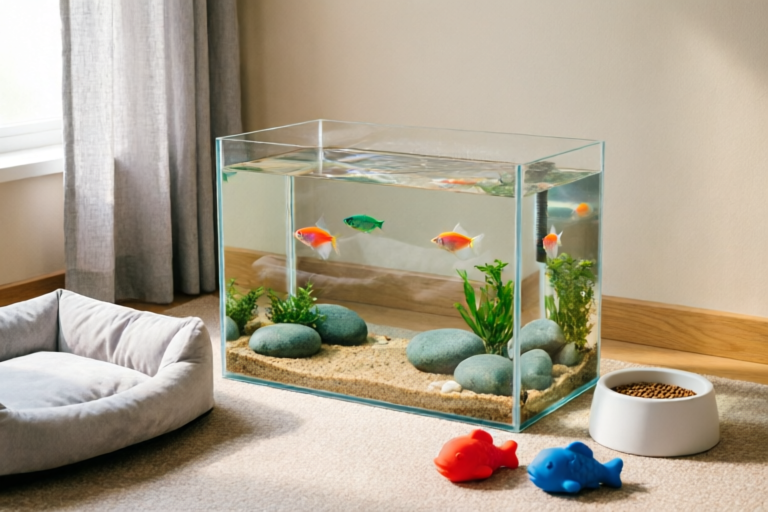
Why Your Aquarium Fish Aren't Eating: Causes and Solutions
Healthy Fish, Happy Aquarium
### Article Outline: Why Your Aquarium Fish Aren't Eating
1. Introduction to the Problem
- Overview of common issues with aquarium fish not eating
- Importance of addressing the problem promptly for fish health and tank maintenance
2. Environmental Factors Affecting Appetite
Impact of Water Quality on Fish Feeding Behavior
Water quality is one of the most critical factors influencing your fish's appetite. Poor water conditions can lead to stress, illness, and reduced feeding. Regular testing of ammonia, nitrite, and nitrate levels is essential. Ensure that your filtration system is working efficiently and perform routine water changes to maintain optimal water quality.
Role of Temperature and pH Levels in Affecting Appetite
Temperature and pH levels play a significant role in determining your fish's appetite. Each species has its ideal temperature range and pH level. Fluctuations outside this range can cause stress and reduce feeding. Monitor these parameters closely and make adjustments as necessary.
Influence of Lighting Cycles on Fish Eating Habits
Lighting cycles can impact your fish's natural feeding behavior. Many fish are more active during certain times of the day, and their feeding habits may align with these periods. Adjust the lighting schedule to mimic natural daylight cycles and observe how it affects your fish's appetite.
3. Stress and Health Concerns
Signs That Indicate Stress in Aquarium Fish
Stressed fish often exhibit abnormal behaviors such as swimming erratically, hiding, or gasping at the surface. Other signs include clamped fins, pale coloration, and reduced activity. Addressing the underlying causes of stress is crucial for improving your fish's health and appetite.
Common Health Problems That May Cause Loss of Appetite
Several health issues can lead to a lack of appetite in aquarium fish. These include bacterial infections, parasites, swim bladder disorders, and internal organ problems. Early detection and treatment are vital for preventing further complications. Regular observation and prompt action are key to maintaining a healthy aquarium.
How to Identify and Address Potential Illnesses or Injuries
To identify potential illnesses or injuries, look for visible signs such as lesions, bloating, or unusual spots. Consult a veterinarian specializing in aquatic animals for accurate diagnosis and treatment. Isolate affected fish to prevent the spread of disease and maintain quarantine protocols.
4. Feeding Practices and Diet Considerations
Importance of Proper Feeding Schedules and Portion Control
Establishing a consistent feeding schedule and controlling portion sizes are essential for maintaining your fish's health. Overfeeding can lead to poor water quality and obesity, while underfeeding can result in malnutrition. Feed your fish small amounts several times a day rather than large quantities once a day.
Types of Food Suitable for Different Species of Aquarium Fish
Different fish species have varying dietary requirements. Some fish are herbivores, some are carnivores, and others are omnivores. Provide a varied diet that includes high-quality flakes, pellets, frozen foods, and live foods. Consult breed-specific guides to ensure you're offering the right types of food.
Tips for Ensuring Food Freshness and Palatability
To keep your fish's food fresh and appealing, store it in a cool, dry place away from direct sunlight. Rotate stock regularly to avoid spoilage. Offer a variety of foods to cater to different tastes and preferences. Avoid overfeeding by removing any uneaten food after five minutes.
5. Social Dynamics and Tank Mates
Effects of Overcrowding or Aggressive Tank Mates on Feeding Behavior
Overcrowded tanks can lead to competition for food and stress among fish. Aggressive tank mates may intimidate others, preventing them from feeding properly. Ensure there is enough space for all fish to move freely and establish territories. Introduce fish gradually and monitor their interactions.
Strategies for Introducing New Fish Without Disrupting Existing Feeding Patterns
When adding new fish to your aquarium, introduce them slowly to minimize stress and disruption. Quarantine new arrivals for a few weeks to monitor their health and acclimate them to the tank conditions. Gradually introduce them to the existing population and observe their feeding behavior.
Importance of Maintaining a Balanced Ecosystem Within the Aquarium
Maintaining a balanced ecosystem is crucial for promoting healthy feeding behavior. This includes proper filtration, regular water changes, and appropriate stocking levels. A well-balanced environment supports overall fish health and encourages natural feeding patterns.
6. Conclusion and Next Steps
Summary of Key Points Discussed
This article explored various factors that can cause aquarium fish to stop eating, including environmental conditions, stress, health concerns, feeding practices, and social dynamics. By addressing these issues promptly, you can improve your fish's health and enjoyment.
Encouragement for Regular Monitoring and Proactive Care
Regular monitoring and proactive care are essential for maintaining a healthy aquarium. Keep an eye on your fish's behavior, water quality, and feeding habits. Take immediate action when issues arise to prevent further complications.
Resources for Further Reading and Professional Assistance If Needed
For more information, consult reputable sources such as aquarium forums, books, and online resources. If you encounter persistent problems, consider seeking professional assistance from a veterinarian specializing in aquatic animals. They can provide expert advice and treatment options tailored to your specific situation.
Comments

After separating my aggressive cichlid, my smaller fish started eating normally again.
I cleaned the filter and changed the water, but my fish still aren't eating. Any other ideas?

My fish stopped eating after I added new plants. Is that weird?

What kind of food do you recommend for a community tank with both tropical and coldwater fish?

Overcrowding was the issue for me. Moved some fish and they started eating like champs!

Is it normal for my goldfish to stop eating when I change the tank lights?

I tried adjusting the water temp and now my betta is eating again!