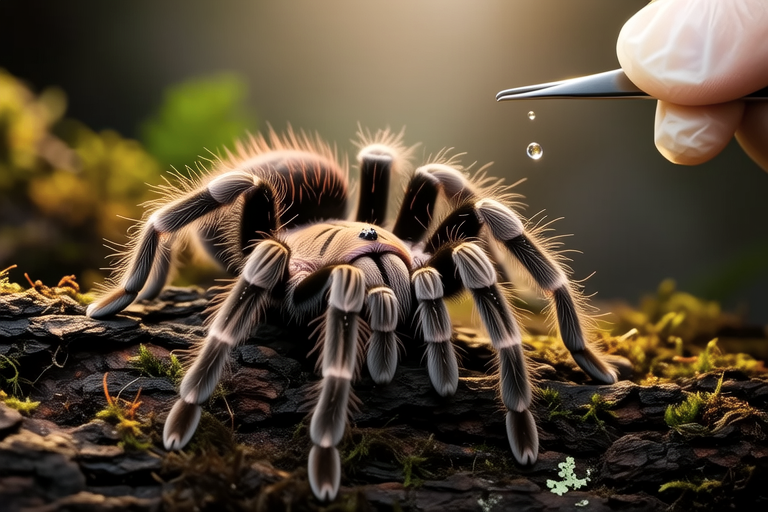
Arachnid Affection: How to Care for Your Lovable Chilean Rose Tarantula
Welcome to the fascinating world of arachnids! Among the diverse array of spiders, the Grammostola rosea, commonly known as the Chilean Rose Tarantula, stands out for its unique charm and gentle demeanor. Often referred to as the ‘beginner’s tarantula’, this species is renowned for its relatively calm nature, making it an excellent choice for those new to tarantula ownership. Their striking coloration, ranging from dusty pink to deep red, adds to their allure, and their docile temperament makes them a joy to observe. In this guide, we will explore how to care for your Chilean Rose Tarantula, ensuring they thrive in your home.
Setting Up the Perfect Habitat
The first step in providing optimal care for your Chilean Rose Tarantula is setting up the right environment. A terrarium or enclosure that mimics their natural habitat is crucial. For a single adult tarantula, a tank size of approximately 10 gallons (38 liters) is adequate. Ensure the enclosure has a secure lid to prevent escape. The substrate should be at least three inches deep, allowing your tarantula ample space to burrow. Suitable substrates include coconut fiber, bark chips, or a mix of sand and soil.
In addition to the substrate, include a hide spot such as a half-log or cork bark, which provides security and privacy. Add a shallow water dish for hydration and a small climbing branch or rock for enrichment. Keep the enclosure clean by regularly removing waste and replacing the substrate every few months.
Ideal Temperature and Humidity Levels
Maintaining the correct temperature and humidity levels within the enclosure is vital for the health of your Chilean Rose Tarantula. These creatures thrive in temperatures between 75°F and 85°F (24°C to 29°C). Use a digital thermometer placed inside the tank to monitor the temperature accurately. A heat mat or under-tank heater can be used to maintain warmth, but avoid direct heat sources like heat lamps that could dry out the enclosure.
Humidity should range between 50% and 70%. Achieve this by misting the enclosure occasionally and ensuring the substrate remains slightly damp. However, avoid over-misting, as excess moisture can lead to mold growth or respiratory issues. A hygrometer helps in monitoring humidity levels effectively.
Dietary Needs and Feeding Habits
Chilean Rose Tarantulas are primarily insectivores, feeding on a variety of insects. Their diet mainly consists of crickets, mealworms, and dubia roaches. It’s essential to feed them appropriately sized prey; young tarantulas can eat smaller insects, while adults can consume larger ones. Prey items should be gut-loaded, meaning they have been fed nutritious food before being offered to the tarantula, enhancing the nutritional value of the meal.
Feeding frequency depends on the age and size of your tarantula. Juveniles may need to eat weekly, whereas adults can be fed every two to four weeks. Always remove uneaten prey after a few hours to prevent harassment or injury to the tarantula. Providing a varied diet ensures they receive all necessary nutrients for good health.
Tips on Handling and Creating a Stress-Free Environment
Handling your Chilean Rose Tarantula requires patience and gentleness. Begin by gently coaxing them onto a soft, flat surface like a foam board. Support their body with both hands, avoiding any squeezing or pinching. Practice handling them infrequently, as excessive handling can cause undue stress. Always wash your hands before and after handling to prevent the transfer of oils or residues that might irritate your tarantula.
To create a stress-free environment, minimize disturbances around the enclosure. Keep the tank in a quiet area away from high traffic zones. Avoid sudden movements or loud noises near the tank. Regularly check the enclosure for cleanliness and proper environmental conditions, ensuring your tarantula feels safe and comfortable.
Common Health Issues, Signs of Distress, and Seeking Professional Help
Like any pet, Chilean Rose Tarantulas can face health challenges. Common issues include mites, molting problems, and infections. Mites can be identified by tiny red spots on the tarantula’s body. Molting issues occur when tarantulas struggle to shed their exoskeleton fully, often due to improper humidity levels. Infections can manifest as lesions or unusual behavior.
Signs of distress include reduced activity, refusal to eat, or abnormal webbing. If you notice any of these symptoms, it’s important to address the issue promptly. Consult a veterinarian specializing in exotic pets for diagnosis and treatment. Early intervention can prevent more serious health complications.
Caring for a Chilean Rose Tarantula is a rewarding experience filled with the joy of observing these fascinating creatures. By following the guidelines provided, you can ensure your tarantula leads a healthy and happy life. Remember, each tarantula is unique, so adapt your care practices to meet their individual needs. Enjoy the journey of learning and bonding with your lovable Chilean Rose Tarantula!
