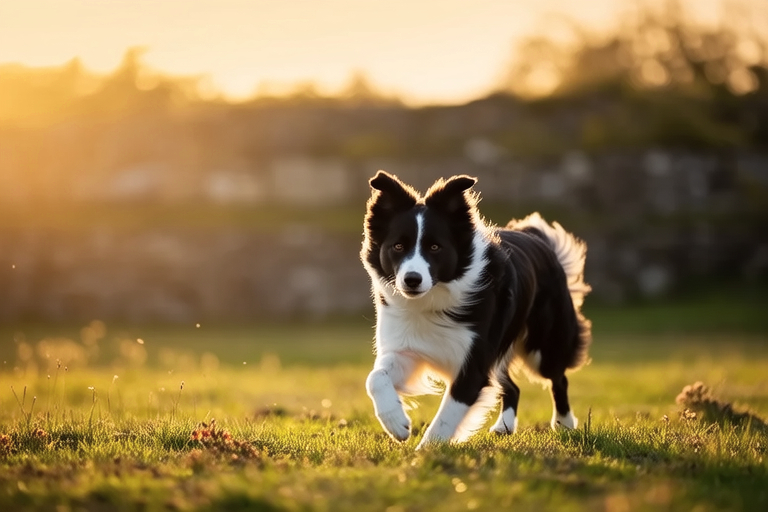
The Evolution of Border Collies: From Sheep Herders to Family Pets
Border Collies, one of the most intelligent and versatile dog breeds, have a rich and fascinating history that spans centuries. Originally bred for their exceptional herding skills, these dogs have evolved over time to become beloved family pets. This article delves into the origins of Border Collies, their remarkable herding abilities, genetic traits that make them ideal working dogs, and the significant changes that led to their adaptation as companions.
The Origins of Border Collies
The Border Collie’s history begins in the rugged border region between Scotland and England, where shepherds needed a dog capable of managing large flocks of sheep in challenging terrain. The breed emerged from a mix of local collies, which were known for their agility, loyalty, and strong work ethic. The harsh conditions of the borderlands, combined with the need for efficient and reliable herding, shaped the Border Collie’s unique characteristics.
Shepherds selected for traits such as intelligence, focus, and the ability to respond quickly to commands. Over generations, this selective breeding produced a dog that was not only physically suited for herding but also mentally equipped to understand complex tasks. The result was a breed that could manage flocks with precision and grace, earning its place as one of the world’s premier herding dogs.
Exceptional Herding Abilities
Border Collies are renowned for their exceptional herding abilities, a trait that has made them indispensable to farmers and ranchers for centuries. Their natural instinct to herd stems from their ancestors, who were adept at rounding up livestock in difficult environments. This innate skill, combined with their intelligence, makes Border Collies highly effective in guiding sheep and other animals.
One of the key factors contributing to their success as herders is their ability to read the behavior of the flock. Border Collies can anticipate the movements of individual sheep and act accordingly, often without direct human intervention. They use a combination of body language, eye contact, and vocalizations to guide the flock, a technique known as “eyeing.” This method allows them to maintain control over the animals while minimizing stress and injury.
Another important aspect of their herding prowess is their high level of obedience. Border Collies are quick learners and respond well to training, making them easy to command in various situations. Their adaptability and willingness to please have contributed to their continued success as working dogs.
Genetic Traits of Ideal Working Dogs
Several genetic traits contribute to the Border Collie’s suitability as a working dog. One of the most significant is their high energy levels, which allow them to perform physically demanding tasks for extended periods. Border Collies are known for their stamina and endurance, enabling them to cover long distances and handle rigorous activities without tiring easily.
In addition to physical attributes, Border Collies possess a strong drive to work, which is essential for their role as herding dogs. This drive manifests in their desire to engage in activities that challenge their intellect and physical capabilities. They thrive on mental stimulation and problem-solving, making them well-suited for tasks that require critical thinking and quick decision-making.
Another crucial genetic trait is their strong bond with humans. Border Collies form deep connections with their handlers, which enhances communication and cooperation during herding. This bond fosters trust and mutual understanding, allowing handlers to effectively guide their dogs through complex tasks.
Adaptation as Companion Animals
While Border Collies were originally bred for herding, they have adapted remarkably well to life as companion animals. Several factors have contributed to this shift, including changes in agricultural practices, urbanization, and the growing popularity of dog sports and activities. As traditional farming methods declined in many parts of the world, the demand for working dogs decreased, leading to a surplus of Border Collies.
To address this issue, enthusiasts and organizations began promoting the breed as a companion animal. They highlighted the Border Collie’s intelligence, loyalty, and affectionate nature, appealing to potential owners seeking an active and engaging pet. Additionally, the rise of dog sports such as agility, flyball, and obedience trials provided alternative outlets for the breed’s energy and talents.
These efforts have been successful in expanding the Border Collie’s role beyond herding. Today, many Border Collies serve as therapy dogs, search-and-rescue dogs, and assistance dogs, among other roles. Their versatility and adaptability continue to make them valuable members of both working and companion animal communities.
Notable Figures and Events Impacting Popularity
The Border Collie’s rise to prominence can be attributed to several notable figures and events throughout history. One of the most influential was Adam Telfer, a Scottish farmer who lived in the 19th century. Telfer is credited with developing the Border Collie as we know it today. He selectively bred his dogs to enhance their herding abilities, focusing on traits such as speed, agility, and responsiveness. His efforts laid the foundation for the modern Border Collie breed.
Another significant event that contributed to the breed’s popularity was the introduction of competitive herding trials. These events, which began in the early 20th century, provided an opportunity for shepherds and enthusiasts to showcase their dogs’ skills and compete against others. The trials helped standardize the breed and establish criteria for evaluating herding performance. They also raised awareness of the Border Collie’s exceptional abilities, further boosting its reputation.
The breed’s appeal was also enhanced by its appearance in popular culture. Movies, television shows, and books featuring Border Collies have introduced the public to the breed’s charm and intelligence. For example, the 2000 film “Babe,” which starred a Border Collie named Fly, captured audiences’ hearts and showcased the breed’s versatility. Similarly, the novel “Where the Red Fern Grows” features a Border Collie named Old Dan, highlighting the breed’s loyalty and strength.
Role and Characteristics Today
Today, Border Collies are recognized as one of the most intelligent and versatile dog breeds. Their exceptional herding abilities, combined with their high energy levels and strong work ethic, make them ideal candidates for a wide range of activities. In addition to herding, Border Collies excel in dog sports, therapy work, and search-and-rescue operations.
Border Collies are also highly sought after as family pets due to their affectionate and loyal nature. They form strong bonds with their owners and enjoy spending time with them. However, their high energy levels and need for mental stimulation mean that they require regular exercise and engagement to stay happy and healthy. Owners must be prepared to provide ample opportunities for physical activity and mental challenges.
Despite their many positive qualities, Border Collies can be challenging pets for inexperienced owners. Their intelligence and independence can lead to behavioral issues if not properly managed. Training and socialization are essential for ensuring that Border Collies develop into well-behaved and well-adjusted pets. With proper care and attention, however, Border Collies can become loving and devoted companions.
Conclusion
The evolution of Border Collies from sheep herders to beloved family pets is a testament to their versatility and adaptability. Their rich history, marked by centuries of selective breeding and refinement, has produced a breed that excels in both work and companionship. From the rugged borderlands of Scotland and England to modern-day dog sports and therapy work, Border Collies have proven themselves to be invaluable assets in countless settings.
As we look to the future, it is clear that Border Collies will continue to play important roles in both working and companion animal communities. Their intelligence, loyalty, and dedication ensure that they will remain cherished members of families around the world for generations to come.
