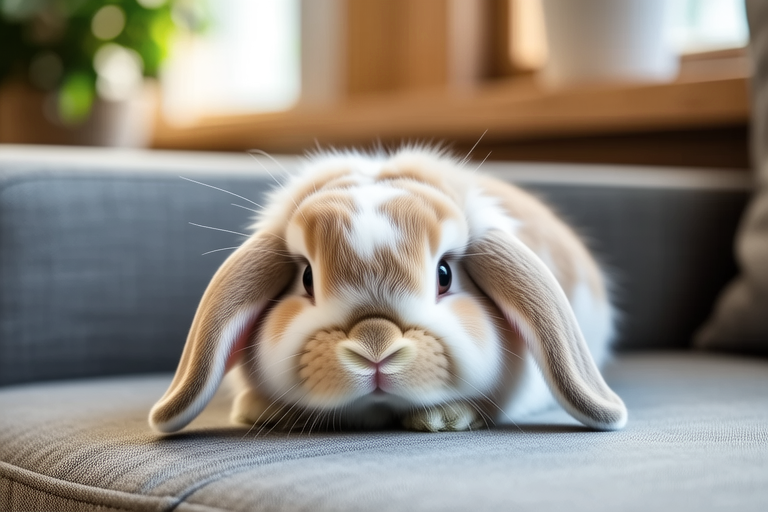
Lap Bunny Delight: Caring for Your Lop Rabbit at Home
Introduction:
Known for their floppy ears and affectionate demeanor, lop rabbits have become one of the most popular choices for pet owners seeking a gentle and loving companion. Their charming appearance and friendly nature make them irresistible to families and individuals alike. Lop rabbits come in various breeds, including the French Lop, Holland Lop, and Mini Lop, each offering unique traits that can cater to different living situations. Whether you’re a first-time rabbit owner or looking to expand your furry family, understanding how to care for your lop rabbit is key to ensuring they live a long, healthy, and happy life.
Diet:
Proper nutrition is fundamental to the health of any rabbit, and lop rabbits are no exception. The core of their diet should be high-quality hay, which aids digestion and maintains dental health. Fresh vegetables like carrots, spinach, and kale provide essential vitamins and minerals. However, introduce new foods gradually to prevent digestive upset. Avoid feeding them too many fruits due to their high sugar content. Additionally, a balanced commercial rabbit food can supplement their diet, but always check with your veterinarian regarding the appropriate amount.
Housing:
Creating a safe and comfortable home for your lop rabbit is crucial. A spacious cage or enclosure allows them room to move around, stretch, and play. The cage should be large enough to accommodate a litter box, food and water dishes, and a hideaway. Place the cage in a quiet area away from direct sunlight and drafts. Bedding materials such as paper-based products or straw provide comfort and absorb moisture. Regular cleaning of the cage prevents the buildup of bacteria and keeps your rabbit’s environment fresh.
Exercise:
Providing ample opportunities for exercise is vital for your lop rabbit’s physical and mental well-being. Daily out-of-cage time allows them to explore, hop, and engage in natural behaviors. Supervised playtime in a bunny-proofed room ensures safety while giving them the freedom to run and jump. Toys designed specifically for rabbits, such as tunnels and chew toys, stimulate their minds and prevent boredom. Exercise also helps maintain a healthy weight, reducing the risk of obesity-related health issues.
Grooming:
Regular grooming is necessary to keep your lop rabbit clean and comfortable. Brush their fur weekly to remove loose hair and prevent matting. Pay special attention to their ears, checking for dirt, debris, or signs of infection. Trimming their nails every few weeks prevents overgrowth and discomfort. Bathing is generally unnecessary unless your rabbit becomes excessively dirty. Use a gentle, pet-safe shampoo and ensure thorough rinsing to avoid skin irritation.
Health Checks:
Performing routine health checks can help detect potential issues early. Monitor your rabbit’s appetite, energy levels, and bathroom habits. Look for signs of illness such as lethargy, loss of appetite, or abnormal droppings. Regular veterinary visits are essential for vaccinations, dental check-ups, and overall wellness assessments. Early detection and treatment of health problems significantly improve outcomes and quality of life.
Bonding and Training:
Building a strong bond with your lop rabbit requires patience and consistency. Spend quality time with them daily, offering gentle handling and positive reinforcement. Reward good behavior with treats and praise to encourage desired actions. Training can include simple commands like coming when called or sitting still for grooming. Establishing a routine helps your rabbit feel secure and promotes a trusting relationship. Always approach them calmly and avoid sudden movements to prevent startling or stressing them.
Common Health Issues:
Lop rabbits, like all animals, are susceptible to certain health conditions. Dental problems are common due to their continuously growing teeth. Providing plenty of hay and chew toys helps wear down their teeth naturally. Gastrointestinal stasis, where the digestive system slows down or stops, can be life-threatening if not addressed promptly. Signs include decreased appetite and reduced droppings. Obesity is another concern, particularly in lop rabbits that lack sufficient exercise. Preventive measures include a balanced diet, regular exercise, and routine health checks.
Conclusion:
Owning a lop rabbit as a companion brings countless joys and rewards. Their affectionate nature, combined with proper care, creates a fulfilling bond between pet and owner. By providing a nutritious diet, suitable housing, ample exercise, and regular grooming, you ensure your lop rabbit enjoys optimal health. Routine health checks and attentive care help detect and manage any potential issues. Bonding and training further enhance the relationship, making each day with your lop rabbit a delightful experience. Embrace the journey of caring for this wonderful creature, and you’ll find yourself enriched by their presence in your home.
