5 Secrets to Keeping Your Guinea Pig Happy and Healthy at Home
Welcome to the world of guinea pig ownership! These delightful creatures bring endless joy with their quirky personalities and charming antics. However, ensuring your guinea pig’s happiness and health requires careful attention to several key aspects of their care. In this article, we’ll explore five essential secrets that will help you provide the best possible life for your furry friend. From diet and exercise to social interaction and routine veterinary care, we’ll cover everything you need to know to keep your guinea pig thriving.
Secret 1: Provide a Balanced Diet
Guinea pigs have specific dietary needs that must be met to ensure they remain healthy and happy. These small rodents are herbivores, meaning they eat only plant-based foods. Their digestive systems are designed to process large amounts of fiber, which is crucial for maintaining good gut health. A balanced diet should consist of hay, fresh vegetables, and pellets formulated specifically for guinea pigs.
Hay as the Foundation: Hay should make up the majority of your guinea pig’s diet. It provides essential fiber for digestion and helps wear down their continuously growing teeth. Timothy hay is the most common choice, but other grass hays like orchard or oat hay can also be offered. Always provide fresh, clean hay in unlimited quantities. This ensures your guinea pig has constant access to the fiber they need to stay healthy.
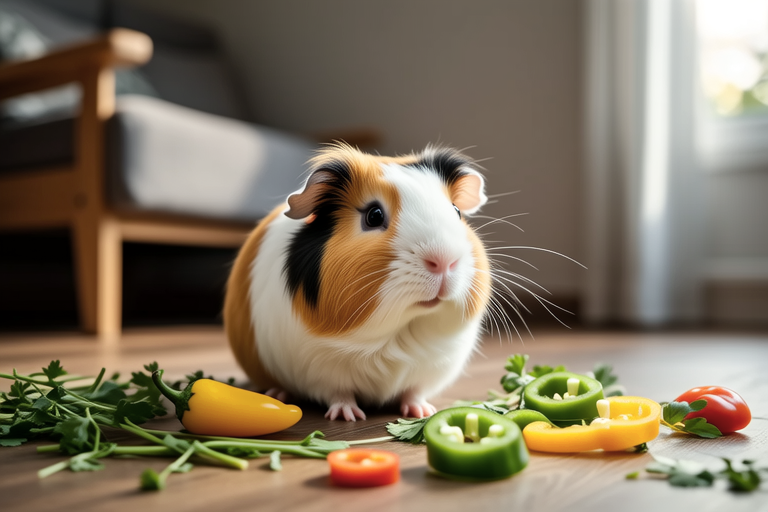
Fresh Vegetables: Adding variety to your guinea pig’s diet with fresh vegetables is important. Leafy greens such as romaine lettuce, spinach, and parsley are excellent choices. Other vegetables like bell peppers, carrots, and broccoli can also be included. Introduce new vegetables gradually to monitor for any adverse reactions. Avoid feeding too much of any one vegetable to prevent digestive upset.
Pellets: Pellets are commercially prepared food that contains all the necessary nutrients for guinea pigs. Look for high-quality pellets made specifically for guinea pigs, not rabbits or other animals. Feed your guinea pig approximately one ounce of pellets per day. Overfeeding pellets can lead to obesity, so it’s important to stick to recommended portions.
Vitamin C: Unlike many animals, guinea pigs cannot produce their own vitamin C and must obtain it through their diet. Fresh fruits like strawberries, oranges, and kiwi are great sources of vitamin C. However, fruits should be given sparingly due to their high sugar content. Pellets designed for guinea pigs also contain added vitamin C, so it’s essential to choose the right type of food.
Secret 2: Create a Spacious Living Environment
Adequate space is vital for your guinea pig’s physical and mental well-being. These active creatures require room to move around, play, and explore. The minimum recommended cage size for a single guinea pig is 7.5 square feet (about 2.3 meters squared), but larger enclosures are always better. If you have multiple guinea pigs, increase the space accordingly to allow them to coexist comfortably.
Choosing the Right Cage: Opt for a cage made of wire or plastic with solid flooring to prevent injury from sharp edges. Multi-level cages with ramps and platforms encourage climbing and provide additional space. Ensure the cage has adequate ventilation and is placed away from direct sunlight, drafts, and excessive noise.
Bedding and Accessories: Line the bottom of the cage with absorbent bedding such as paper-based products or wood shavings. Avoid cedar and pine shavings, as they can irritate a guinea pig’s respiratory system. Provide soft bedding materials like fleece or towels for nesting. Add tunnels, chew toys, and hiding spots to stimulate your guinea pig’s natural behaviors and provide enrichment.
Outdoor Time: Guinea pigs enjoy spending time outside their cage. Set up a safe area in your home where they can explore freely under supervision. This could be a designated playpen or a section of your living room cleared of hazards. Allow your guinea pig supervised outdoor time daily to encourage exercise and mental stimulation.
Secret 3: Encourage Regular Exercise
Physical activity is crucial for maintaining your guinea pig’s health. Regular exercise helps prevent obesity, strengthens muscles, and promotes cardiovascular fitness. Encourage your guinea pig to move around by providing opportunities for exploration and play.
Exercise Wheels: Some guinea pigs enjoy running on wheels designed specifically for small rodents. Choose a wheel with a solid surface to prevent injuries from slipping or falling through gaps. Ensure the wheel is large enough for your guinea pig to run comfortably without bending its back. Not all guinea pigs take to exercise wheels, so observe your pet’s interest before introducing one.
Interactive Play: Engage your guinea pig in interactive play sessions using toys that encourage movement. Tunnels, balls, and puzzle feeders are popular options. Rotate toys regularly to maintain novelty and interest. Playtime also serves as a bonding opportunity, strengthening the relationship between you and your pet.
Exploration: Letting your guinea pig explore new environments safely is another way to promote exercise. Supervised outdoor time allows them to investigate different textures, scents, and objects. This mental stimulation combined with physical activity keeps guinea pigs mentally sharp and physically fit.
Secret 4: Foster Social Interaction
Social interaction plays a significant role in a guinea pig’s emotional well-being. These social animals thrive on companionship and often exhibit signs of loneliness when isolated. Providing ample social interaction can reduce stress and improve overall mood.
Companionship: Guinea pigs are happiest when kept in pairs or groups. They naturally form strong bonds with their cage mates, grooming each other and playing together. If you’re considering getting another guinea pig, introduce them slowly to ensure compatibility. Monitor their interactions closely to avoid conflicts.
Human Interaction: While guinea pigs prefer the company of their own kind, they can also develop strong bonds with their human caregivers. Spend quality time with your guinea pig daily by talking to them, offering treats, and gently handling them. This not only strengthens your bond but also provides valuable mental stimulation.
Handling: Proper handling techniques are essential for building trust and reducing stress. Approach your guinea pig calmly and gently, supporting their body with one hand under the chest and the other under the hindquarters. Avoid lifting them by the scruff or tail, as this can cause discomfort or injury. Regular gentle handling helps your guinea pig become comfortable with being picked up and held.
Secret 5: Maintain Routine Veterinary Care
Regular veterinary check-ups are vital for detecting and preventing health issues early. Many guinea pig illnesses can be managed effectively if caught in the early stages. Find a veterinarian who specializes in exotic pets or has experience with guinea pigs to ensure they receive appropriate care.
Annual Check-Ups: Schedule annual wellness visits for your guinea pig. During these appointments, the vet will perform a thorough examination, including dental checks, weight assessment, and blood tests if necessary. Early detection of conditions like dental disease, respiratory infections, and internal parasites can prevent serious complications.
Dental Care: Guinea pigs’ teeth grow continuously throughout their lives. Proper diet and regular dental check-ups are essential for maintaining healthy teeth. Signs of dental problems include drooling, difficulty eating, or swollen cheeks. If you notice any of these symptoms, consult your veterinarian immediately.
Vaccinations and Parasite Control: Although there are no vaccines specifically for guinea pigs, routine fecal exams are important for detecting internal parasites. Discuss parasite control measures with your veterinarian to determine the best approach for your pet. Cleanliness is key in preventing external parasites like mites and lice.
Emergency Care: Be prepared for emergencies by having a list of emergency veterinarians and a first aid kit on hand. Familiarize yourself with common signs of distress, such as lethargy, loss of appetite, or labored breathing. Knowing what to do in an emergency can save your guinea pig’s life.
Conclusion
By following these five secrets, you’ll be well on your way to providing a happy and healthy life for your guinea pig. Remember, a balanced diet, spacious living environment, regular exercise, social interaction, and routine veterinary care are all crucial components of their well-being. With love, attention, and proper care, your guinea pig will thrive and bring years of joy to your home.
