Living with an Abyssinian: Tips for New and Prospective Owners
Welcome to the world of Abyssinians! These elegant, playful, and intelligent cats have captured the hearts of many cat lovers around the globe. Known for their striking appearance and engaging personalities, Abyssinians can be a delightful addition to your family. This article will provide you with valuable insights and practical advice on how to live with an Abyssinian, covering everything from understanding their unique characteristics to creating a stimulating environment.
Understanding the Abyssinian Breed
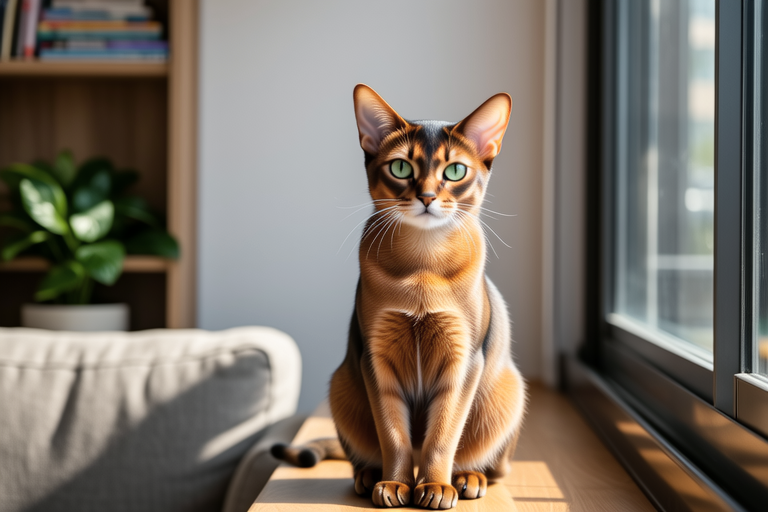
The Abyssinian is one of the oldest domesticated cat breeds, believed to have originated in ancient Egypt. Their distinctive ticked coat, which resembles the colors found on the walls of Egyptian tombs, is one of their most recognizable features. Abyssinians come in several color variations, including ruddy, blue, fawn, and cinnamon. They are medium-sized cats with long legs, large ears, and almond-shaped eyes that usually range from green to gold.
Abyssinians are known for their high energy levels and curiosity. They are extremely active and love to explore their surroundings, making them excellent climbers and jumpers. Their intelligence sets them apart from other breeds, as they can learn tricks and respond well to positive reinforcement. Abyssinians are also very social and enjoy spending time with their human companions, often following them around the house.
Essential Care Tips
Caring for an Abyssinian requires attention to their grooming, dental hygiene, and overall health. Despite their short coats, Abyssinians need regular brushing to prevent matting and to remove loose hair. Use a soft-bristled brush or a grooming glove to gently stroke their fur in the direction it grows. This helps distribute natural oils and keeps their coat shiny.
Dental care is another important aspect of maintaining an Abyssinian’s health. Brushing their teeth regularly with a cat-safe toothpaste can help prevent periodontal disease. Providing them with dental treats or toys designed to promote oral health can also be beneficial. Additionally, regular veterinary check-ups are crucial to ensure your Abyssinian remains healthy and happy.
Common Health Issues
While Abyssinians are generally healthy, some genetic conditions may affect certain individuals. Progressive retinal atrophy (PRA) is a hereditary condition that can lead to blindness. Responsible breeding practices have significantly reduced the incidence of PRA, but it’s still important to be aware of this potential issue.
Another concern is pyruvate kinase deficiency (PKD), a rare blood disorder that can cause anemia. Genetic testing can help identify carriers of PKD, allowing breeders to make informed decisions about breeding pairs. Regular vet visits can catch any signs of these conditions early, ensuring timely treatment.
Training Methods
Training an Abyssinian can be both fun and rewarding. Positive reinforcement techniques, such as clicker training, are highly effective for teaching your cat new behaviors. Start by clicking the clicker when your Abyssinian performs a desired action, followed by a small treat reward. This method helps your cat associate good behavior with positive outcomes.
Abyssinians can also be trained to walk on a leash if introduced gradually. Begin by getting your cat accustomed to wearing a harness inside the house. Once they are comfortable, take them outside on short walks in a safe, enclosed area. Always use a harness designed specifically for cats to avoid injuries.
Dietary Needs
Feeding your Abyssinian a balanced diet is essential for their overall health. High-quality commercial cat food formulated for their age, weight, and activity level is recommended. Look for foods containing high-quality proteins, fats, vitamins, and minerals. Wet food can be particularly beneficial as it provides more hydration, which is especially important for indoor cats.
Avoid feeding your Abyssinian table scraps or human food, as these can be harmful or toxic. Some common household items, like chocolate, onions, and garlic, can be dangerous for cats. Instead, offer them treats specifically designed for felines to maintain a healthy diet.
Tips for Creating a Stimulating Environment
To keep your Abyssinian entertained and engaged, create an enriching environment filled with toys and climbing structures. Provide a variety of toys, including puzzle feeders, interactive toys, and feather wands. Rotate these toys periodically to maintain their interest and prevent boredom.
Incorporate scratching posts into your home to give your Abyssinian a place to scratch and stretch. Choose posts made from durable materials and place them in areas where your cat spends a lot of time. Encourage them to use the scratching post by sprinkling catnip or attaching toys to it.
Experiences and Advice for Both New and Experienced Owners
Whether you’re a first-time cat owner or a seasoned pet parent, there are always new things to learn about living with an Abyssinian. One common challenge is managing their high energy levels. To keep your Abyssinian calm and relaxed, establish a routine that includes playtime, feeding, and cuddle sessions.
For new owners, it’s essential to understand that every cat has its own personality and quirks. Be patient and give your Abyssinian time to adjust to their new home. For experienced owners, consider adopting a second Abyssinian to provide companionship, especially if you work long hours or travel frequently.
Conclusion
Living with an Abyssinian can be a rewarding experience filled with joy and companionship. By understanding their unique characteristics, providing proper care, addressing health concerns, employing effective training methods, ensuring a balanced diet, and creating a stimulating environment, you can ensure your Abyssinian lives a long, healthy, and happy life. Remember, every interaction with your Abyssinian is an opportunity to deepen your bond and share unforgettable moments together.
