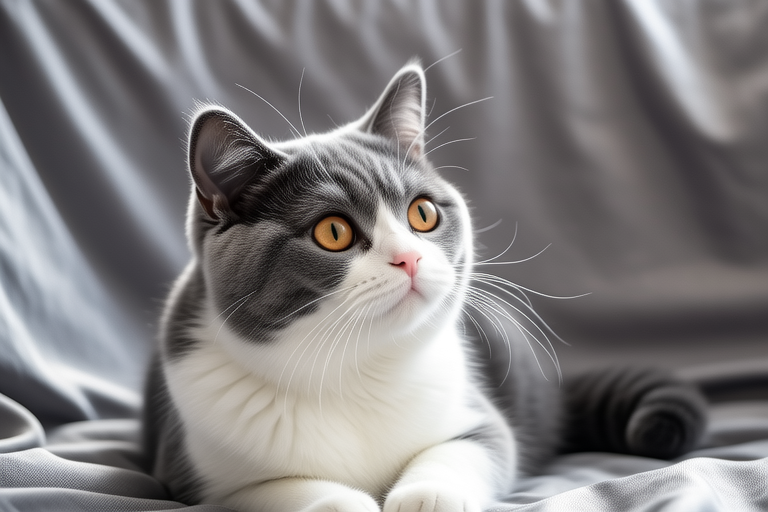
From Rare Breed to Social Media Sensation: The Rise of Munchkin Cats
The world of feline companions has seen many unique breeds over the years, but none quite like the Munchkin cat. Known for their disproportionately short legs, these charming creatures have captured the hearts of cat lovers worldwide. This article delves into the fascinating journey of the Munchkin cat from its rare beginnings to its current status as a social media sensation.
Unique Physical Characteristics
The most striking feature of Munchkin cats is their unusually short legs, which can be attributed to a genetic mutation. These cats come in two types: standard-legged and long-legged. While the standard-legged variety exhibits the characteristic short legs, the long-legged variety does not, making them similar in appearance to other domestic cats. Despite their diminutive stature, Munchkins are robust and agile, capable of performing feats that belie their small stature.
A Brief History
The origin of the Munchkin cat is somewhat mysterious. It is believed that the first documented case appeared in Louisiana in the 1980s. A local resident, Sandra Hochenedel, discovered a stray female cat with short legs. She named her Blackberry, and when Blackberry gave birth to kittens, some inherited her unique trait. Over time, this gene was selectively bred to produce more Munchkins.
Initially, the International Cat Association (TICA) did not recognize the Munchkin due to concerns about health issues associated with their short legs. However, after extensive research and breeding programs, TICA officially recognized the Munchkin as a formal breed in 2003.
Challenges and Controversies
Despite their charm, Munchkin cats face several challenges, particularly regarding health. Critics argue that their shortened spine and limbs can lead to various skeletal and mobility problems. Conditions such as lordosis (an abnormal inward curvature of the spine), pectus excavatum (a deformity of the chest wall), and spondylosis (fusion of vertebrae) are common in this breed.
Breeding practices also remain a contentious issue. Ethical breeding is crucial to minimize health risks while preserving the breed’s genetic diversity. Responsible breeders focus on maintaining a balanced gene pool and ensuring the overall well-being of their cats. Potential owners should thoroughly research breeders and opt for those who prioritize the health and happiness of their animals.
Social Media Sensations
The internet has played a significant role in popularizing Munchkin cats. Several Munchkins have become celebrities in their own right, amassing thousands of followers on platforms like Instagram and TikTok. One such star is Lil Bub, born in 2011. Besides her short legs, Lil Bub also has a unique set of traits, including an underbite, extra toes, and dwarfism. Her quirky personality and adorable appearance have made her a beloved figure among cat enthusiasts.
Lil Bub’s success has inspired many others. Munchkin cat videos often go viral, showcasing the breed’s playful nature and endearing antics. These pets have become ambassadors for their kind, educating people about the joys and challenges of owning a Munchkin. Their presence online has contributed to a broader understanding and appreciation of this unique breed.
The Future of Munchkin Cats
The future for Munchkin cats looks promising, given their increasing popularity. However, the breed’s genetic makeup poses ongoing challenges. Continued research into the genetic factors responsible for their short legs is essential to mitigate health risks. Advances in veterinary care and breeding techniques may help address some of the issues faced by these cats.
Moreover, public awareness and education will play a critical role in shaping the future of Munchkin cats. As more people learn about the breed, they can make informed decisions when considering adopting one. Responsible ownership includes providing proper care, regular vet visits, and creating a loving environment where these cats can thrive.
Conclusion
Munchkin cats have come a long way since their discovery in the 1980s. From a rare breed facing skepticism to becoming social media stars, they have captured the imagination of cat lovers everywhere. While challenges remain, the future holds promise for this delightful breed. With continued attention to health and ethical breeding practices, Munchkin cats will continue to bring joy and companionship to many homes.
