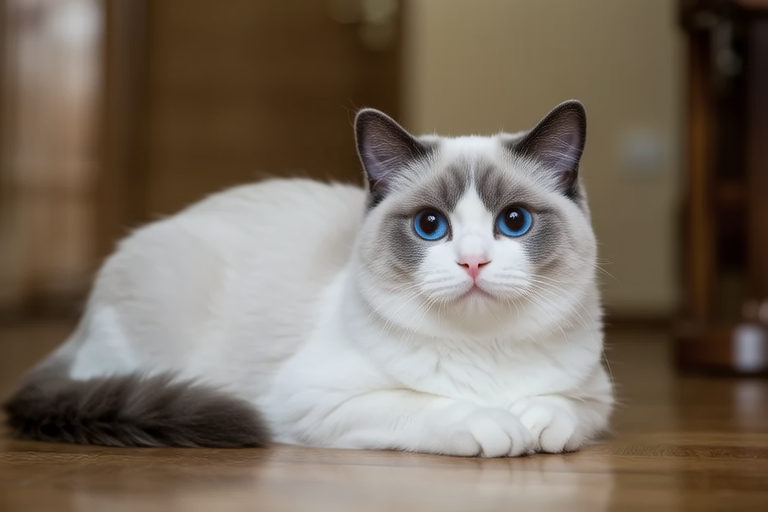
Munchkin Magic: Why These Uniquely Shaped Cats Steal Hearts
Welcome to the enchanting world of Munchkin cats! With their uniquely short legs, these felines have captured the hearts of cat enthusiasts worldwide. Their charming appearance, coupled with delightful personalities, makes them a popular choice for many households. In this article, we will explore the history, physical characteristics, temperament, and health considerations of Munchkin cats. We’ll also share some heartwarming stories from proud owners and offer guidance for those considering adopting one of these magical creatures.
The Origins and History of Munchkin Cats
The Munchkin cat breed originated in the United States during the 1980s when Sandra Hochenedel discovered a small, short-legged stray cat near her home in Louisiana. This cat, named Blackberry, was the mother of the first litter of Munchkins. The kittens inherited their mother’s unique trait, leading to the development of the Munchkin breed. Over time, the breed gained recognition from various cat associations, including The International Cat Association (TICA), which granted it championship status in 2003.
Despite their relatively recent emergence, Munchkins have quickly become beloved for their distinctive appearance and friendly nature. Their short legs have made them a subject of both fascination and controversy, with some critics raising concerns about their welfare. However, responsible breeding practices and ongoing research have helped address these concerns, ensuring that Munchkins can enjoy long, healthy lives.
Physical Characteristics of Munchkin Cats
One of the most striking features of Munchkin cats is their disproportionately short legs, which can be attributed to a genetic mutation known as the lomax gene. This mutation affects the growth plate of the long bones in their legs, resulting in their unique stature. Despite their shorter limbs, Munchkins are agile and can move surprisingly fast, often surprising onlookers with their quick reflexes and playful antics.
In addition to their short legs, Munchkins come in a variety of coat types and colors, making them visually diverse. They can have either semi-longhair or shorthair coats, and their fur can range from solid colors to patterns like tabby, tortoiseshell, and bi-color. Their eyes, typically large and expressive, add to their overall charm, giving them a curious and intelligent appearance.
Temperament and Personality
Beyond their distinctive looks, Munchkin cats are known for their friendly and outgoing personalities. They are often described as affectionate, playful, and social, making them excellent companions for families and individuals alike. Munchkins love to interact with their human family members, seeking out attention and participating in daily activities. They are also highly adaptable, thriving in both busy households and quieter environments.
One of the most endearing traits of Munchkins is their curiosity. They are always eager to explore their surroundings, investigating every nook and cranny with great enthusiasm. This curiosity is paired with a playful spirit, as they enjoy games and toys that stimulate their minds and bodies. Many owners report that their Munchkins have a mischievous streak, adding an element of fun and unpredictability to their interactions.
Anecdotes from Proud Owners
To better understand the charm and personality of Munchkin cats, let’s hear from some of their proud owners:
“Our Munchkin, Whiskers, has completely stolen our hearts. She’s always ready for a game of fetch and loves to chase after toy mice. Her short legs don’t slow her down at all – she’s incredibly agile and can leap surprisingly high!” – Emily, Munchkin owner
“What I love most about my Munchkin, Luna, is her loving nature. She’s always there to greet me when I come home and enjoys snuggling up with me on the couch. She’s a true lap cat and brings so much joy to our household.” – Sarah, Munchkin owner
Health Considerations
While Munchkin cats are generally healthy, there are some health considerations specific to the breed. One concern is spinal issues, such as lordosis and kyphosis, which can occur due to their unique body structure. Responsible breeding practices, regular veterinary check-ups, and maintaining a healthy weight can help minimize the risk of these conditions.
Another potential issue is pectus excavatum, a chest deformity that can affect some Munchkins. This condition can impact lung function and heart position, so it’s important to monitor your cat’s respiratory health and consult with a veterinarian if you notice any signs of distress.
Regular exercise and playtime are crucial for keeping Munchkins fit and healthy. Providing them with stimulating toys and opportunities to engage in physical activity can help prevent obesity and maintain their overall well-being. Additionally, a balanced diet tailored to their specific needs is essential for supporting their health.
Advice for Potential Owners
If you’re considering adopting a Munchkin cat, there are several factors to keep in mind. First and foremost, ensure that you’re prepared for the commitment involved in caring for a pet. Munchkins, like all cats, require regular attention, proper nutrition, and a safe environment to thrive. They also need routine veterinary care, including vaccinations, parasite prevention, and annual check-ups.
When adopting a Munchkin, it’s important to choose a reputable breeder who prioritizes the health and well-being of their cats. A responsible breeder will provide documentation regarding the health of the parents and kittens, as well as guidance on proper care. Additionally, consider adopting from a rescue organization or shelter, where you may find Munchkins in need of loving homes.
Once you’ve brought your new Munchkin into your home, take the time to establish a routine that includes playtime, grooming, and social interaction. Munchkins are social creatures and thrive on human companionship, so make sure to spend quality time with your cat each day. Also, create a safe and enriching environment for your Munchkin, offering them plenty of toys, scratching posts, and climbing structures to explore.
Lastly, remember that adopting a Munchkin cat comes with the responsibility of providing a loving, supportive home. In return, you’ll gain a loyal companion who will bring joy, laughter, and endless entertainment into your life. With proper care and attention, your Munchkin will reward you with years of companionship and unconditional love.
Conclusion
Munchkin cats are truly magical beings, captivating hearts with their unique appearance and delightful personalities. From their short legs to their curious and playful nature, these cats offer a one-of-a-kind experience for their owners. While there are some health considerations specific to the breed, responsible ownership and care can ensure that Munchkins lead happy, healthy lives.
If you’re considering adopting a Munchkin cat, take the time to learn about the breed and prepare yourself for the responsibilities involved. With patience, love, and attention, you’ll be rewarded with a devoted companion who will bring endless joy and entertainment to your home. So why not open your heart to the enchanting world of Munchkin cats and discover the magic for yourself?
