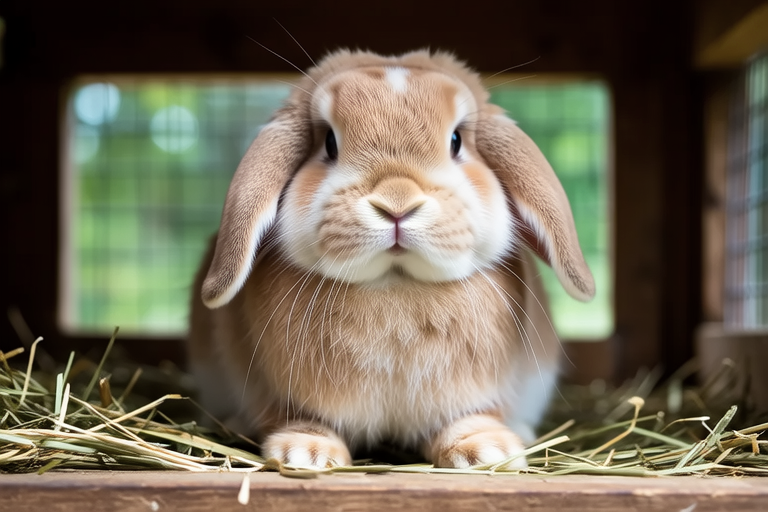
Adopting a Lop Bunny: Tips and Tricks for New Owners
Welcome to the wonderful world of lop bunnies! These charming, floppy-eared creatures make delightful pets, bringing joy and companionship into your home. As a new owner, you’re about to embark on an exciting journey with your furry friend. This guide will provide you with essential advice on setting up your bunny’s living space, understanding their dietary needs, grooming them, ensuring they get enough exercise, identifying common health issues, and tips for bonding and training. Let’s dive in!
Setting Up Your Bunny’s Living Space
The first step in adopting a lop bunny is creating a safe, comfortable living environment. Your bunny’s habitat should be spacious enough to allow movement, yet secure to prevent escapes. A large rabbit hutch or cage with a solid floor is ideal. Line it with soft bedding like hay or straw, and add a cozy blanket for your bunny to snuggle in.
Ensure the living space has multiple levels for hopping and jumping. Include ramps or stairs for easy access between different areas. Provide plenty of hiding spots, such as cardboard boxes or tunnels, which help reduce stress and provide a sense of security.
Adequate ventilation is crucial. Place the hutch in a cool, dry area away from direct sunlight and drafts. If possible, position it near a window so your bunny can enjoy natural light. However, avoid placing it in a location where it might be exposed to extreme temperatures or predators.
Dietary Requirements
Proper nutrition is vital for your lop bunny’s health and well-being. The cornerstone of their diet should be fresh hay, which aids digestion and promotes dental health. Timothy hay is a popular choice, but other types like orchard grass and oat hay are also suitable. Offer unlimited access to clean water, changing it daily to ensure freshness.
In addition to hay, feed your bunny a small amount of high-quality rabbit pellets daily. Check the label for timothy-based pellets without added sugars or grains. Limit the quantity to one tablespoon per two pounds of body weight to prevent obesity.
Variety is key in a bunny’s diet. Introduce fresh vegetables gradually to avoid digestive upset. Dark leafy greens like kale, spinach, and romaine lettuce are excellent choices. Fruits can be given sparingly as treats due to their sugar content. Avoid feeding your bunny iceberg lettuce, potatoes, beans, or rhubarb, as these can cause digestive issues.
Grooming Needs
Lop bunnies require regular grooming to maintain their coat’s health and appearance. Brush your bunny at least once a week to remove loose fur and prevent matting. Use a soft-bristled brush or a slicker brush designed for rabbits.
Bathing should be minimal; rabbits naturally groom themselves, and over-bathing can strip their skin of essential oils. If your bunny gets particularly dirty, spot-clean them with a damp cloth. Be gentle and avoid getting water near their ears or nose.
Trimming your bunny’s nails is necessary to prevent overgrowth, which can lead to discomfort and difficulty walking. Use nail clippers specifically made for small animals, and trim only the tip of each nail to avoid cutting the quick. If you’re unsure, consult a professional groomer or veterinarian.
Exercise Recommendations
Regular exercise is crucial for your lop bunny’s physical and mental health. Provide a spacious indoor play area where your bunny can hop, jump, and explore. Supervise playtime to ensure safety and prevent accidents.
Interactive toys stimulate your bunny’s mind and provide entertainment. Consider purchasing chew toys, tunnels, or treat-dispensing puzzles. Rotate toys periodically to keep things interesting and prevent boredom.
Spending time outside can be beneficial for your bunny, but it must be done safely. Create a secure outdoor enclosure with a wire mesh top to prevent predators from accessing your bunny. Place the enclosure in a shaded area, and always supervise your bunny during outdoor activities.
Common Health Issues
Despite proper care, lop bunnies may face certain health challenges. Gastrointestinal stasis, a condition where the digestive system slows down or stops, is common in rabbits. Signs include decreased appetite, lethargy, and infrequent droppings. Immediate veterinary attention is necessary if you suspect gastrointestinal stasis.
Overgrown teeth can also pose a problem. Rabbits’ teeth continuously grow throughout their lives. Providing hay and chew toys helps wear down teeth naturally. Regular check-ups with a veterinarian ensure any potential issues are addressed promptly.
Musculoskeletal disorders, such as splay leg or arthritis, may affect your bunny. Splay leg occurs when a bunny’s hind leg extends sideways, preventing normal movement. Arthritis causes joint pain and stiffness. Consult a veterinarian for diagnosis and treatment options tailored to your bunny’s specific needs.
Tips for Bonding and Training
Bonding with your lop bunny takes time and patience. Spend quality time together each day to build trust and strengthen your bond. Gently pet your bunny, talk to them softly, and offer treats as positive reinforcement.
Training your bunny can be rewarding and fun. Teach basic commands like ‘come,’ ‘sit,’ and ‘stay’ using clicker training techniques. Reward desired behaviors with praise and treats. Consistency is key in training; practice regularly and remain patient.
Socialization is important for your bunny’s emotional well-being. Introduce them to various people and environments gradually to help them become comfortable and confident. Positive experiences during socialization can lead to a happier, more relaxed bunny.
Conclusion
Adopting a lop bunny is a rewarding experience that brings love and companionship into your life. By following these tips and tricks, you’ll create a nurturing environment that supports your bunny’s physical and emotional health. Remember, every bunny is unique, so observe your pet closely and tailor their care accordingly. With proper attention and affection, your lop bunny will thrive and bring endless joy to your household.
