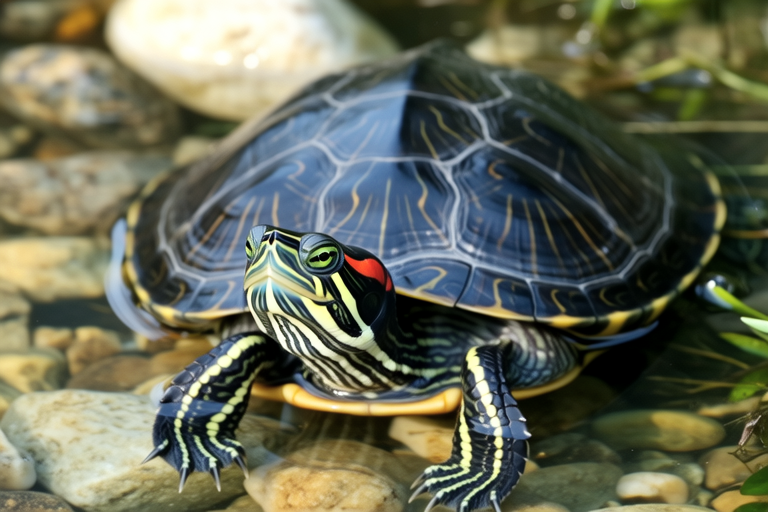
From Tadpole to Terrific Turtle: The Complete Guide to Red-Eared Slider Care
The red-eared slider (Trachemys scripta elegans) is one of the most popular pet turtles globally. Known for their vibrant appearance and relatively low maintenance, these turtles can make wonderful companions if cared for properly. This comprehensive guide covers everything you need to know about red-eared slider care, from their natural habitat to dietary needs and health concerns.
Natural Habitat
Red-eared sliders originate from the southern United States and northern Mexico. They thrive in freshwater environments such as rivers, lakes, and ponds with plenty of basking spots. These semi-aquatic turtles spend much of their time in water but require dry land to bask under sunlight or artificial heat sources. Understanding this helps recreate an optimal environment at home.
Ideal Tank Setup
Setting up a proper enclosure is crucial for your turtle’s well-being. A 40-gallon aquarium serves as a good starting point for young sliders; however, larger tanks (75 gallons or more) become necessary as they grow. Ensure there’s ample space for swimming and basking areas. Use smooth stones or a commercial turtle substrate for the bottom of the tank, and provide a large, flat rock or log above water level for basking.
Temperature and Lighting Requirements
Maintaining appropriate temperatures is vital for your turtle’s health. Water should be kept between 75°F and 80°F (24°C – 27°C), while the basking area should reach around 90°F (32°C). An underwater heater ensures constant warmth in the water, while a UVB light placed over the basking spot mimics natural sunlight. Remember that turtles rely on UVB rays to synthesize vitamin D3, which aids calcium absorption.
Diet and Nutrition
A balanced diet supports your red-eared slider’s growth and overall health. Offer a mix of commercially available turtle pellets, fresh vegetables like romaine lettuce, carrots, and leafy greens, occasional fruits, and live foods such as earthworms or crickets. Avoid feeding too many fatty meats or sugary treats, as these can lead to obesity and other health problems.
Common Health Issues
Regular monitoring helps catch potential issues early. Shell rot, respiratory infections, and metabolic bone disease are common among captive sliders. Proper hygiene practices, including regular water changes and cleaning equipment, reduce the risk of infections. Consult a veterinarian specializing in reptiles if you notice any unusual behavior or physical signs.
Breeding Habits
In captivity, breeding red-eared sliders isn’t typically recommended unless you have extensive experience. Female turtles lay eggs after mating, often burying them in soft soil or sand. Hatchlings emerge several weeks later. If you’re interested in breeding, research thoroughly and prepare adequately to ensure successful reproduction and healthy offspring.
Tips for Handling and Bonding
Handling your turtle gently promotes trust and strengthens your bond. Always wash hands before and after interaction to prevent the spread of bacteria. Some turtles may never become fully comfortable with handling, so respect their boundaries. Providing enrichment through varied toys and activities keeps them mentally stimulated and reduces stress.
Responsibilities of Ownership
Owning a red-eared slider comes with significant responsibilities. Commitment to long-term care is essential, as these turtles can live up to 40 years. Regular veterinary checkups, maintaining clean living conditions, and offering nutritious meals demonstrate responsible pet ownership. Educate yourself continually about best practices to ensure your turtle leads a happy, healthy life.
