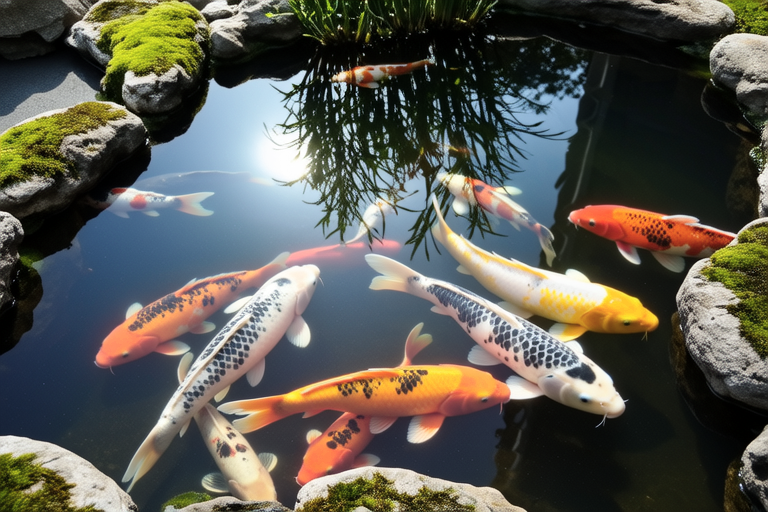
How to Create a Dream Pond for Your Koi: Tips and Tricks
Welcome to the world of koi ponds! Creating a dream pond for your koi is both an art and a science. This comprehensive guide will walk you through the process of designing, building, and maintaining an ideal pond environment for these majestic fish. Whether you’re a beginner or an advanced hobbyist, we’ve got you covered with practical tips and tricks.
Understanding Koi Fish and Their Needs
Koi fish, known for their vibrant colors and graceful movements, thrive in specific environments. Understanding their needs is crucial for creating a thriving habitat. Koi require clean, well-oxygenated water, plenty of space, and protection from predators. They also need a balanced diet and regular care to maintain their health.
Pond Size and Location
The size of your pond depends on the number of koi you plan to keep. A general rule of thumb is to provide at least 100 gallons of water per inch of koi. For instance, a 2-inch koi requires about 200 gallons of water. The pond should be deep enough to protect the fish during winter months, ideally at least 4 feet deep in colder climates.
Choose a sunny location that receives partial shade, especially during the hottest part of the day. Avoid areas prone to flooding or strong winds. Ensure the site has easy access to electrical outlets for pumps and filters.
Filtration Systems
A good filtration system is vital for maintaining water quality. There are three main types of filtration:
- Mechanical Filtration: Strains out debris and waste from the water.
- Biological Filtration: Supports beneficial bacteria that break down harmful substances.
- Chemical Filtration: Removes dissolved organic compounds.
For best results, combine these methods. Consider the flow rate of your pump; it should circulate the entire volume of water every two hours.
Water Quality Maintenance
Regular monitoring of water parameters is essential for maintaining optimal conditions. Key factors include pH, ammonia, nitrite, nitrate, and temperature. Use test kits regularly to ensure these levels stay within safe ranges.
Perform partial water changes weekly to remove accumulated toxins. Use a gravel vacuum to clean the bottom of the pond and prevent excess waste buildup.
Suitable Plants
Plants play a crucial role in oxygenating the water and providing shelter for the koi. Choose hardy aquatic plants that can withstand your local climate. Some popular options include water lilies, lotus, and water hyacinths.
Submerged plants like hornwort and anacharis help improve water quality by absorbing nutrients and releasing oxygen. Floating plants like duckweed offer additional cover and feeding opportunities for the koi.
Necessary Equipment
In addition to a filtration system, you’ll need several other pieces of equipment:
- Pump: Circulates water through the filter and provides oxygenation.
- Air Pump: Enhances oxygen levels in the water.
- Skimmer: Removes floating debris before it sinks and decomposes.
- Heater: Maintains consistent water temperature in cooler climates.
- Netting: Protects the pond from predators and debris.
Aesthetic Features
Creating a visually appealing pond enhances its beauty and functionality. Consider incorporating:
- Rocks and Boulders: Provide natural hiding spots and enhance the landscape.
- Waterfalls and Fountains: Add movement and sound to the pond.
- Lights: Illuminate the pond at night, highlighting its features.
When choosing materials, opt for those that won’t leach chemicals into the water. Avoid pressure-treated wood, which contains harmful preservatives.
Practical Tips for Beginners
Starting a koi pond can be daunting, but with these tips, you’ll be on your way to success:
- Start small to gain experience before scaling up.
- Research thoroughly to understand the requirements of koi fish.
- Consult with professionals for guidance on design and installation.
- Be patient; establishing a healthy ecosystem takes time.
Advanced Techniques
For those looking to take their koi pond to the next level, consider:
- Implementing UV sterilization to control algae growth.
- Using specialized feeders to manage feeding schedules.
- Installing automated systems for easier maintenance.
Maintaining a Healthy Ecosystem
Regular maintenance ensures the long-term health of your koi and the pond. Follow these steps:
- Inspect the pond daily for signs of distress in the fish.
- Check the filtration system monthly to ensure proper functioning.
- Clean the pond annually, removing any accumulated debris.
Conclusion
Building a dream pond for your koi is a rewarding endeavor that combines aesthetics with functionality. By understanding the needs of koi fish and following our tips, you can create a thriving habitat that brings joy and tranquility to your home. Remember, patience and persistence are key to maintaining a healthy and beautiful koi pond.
