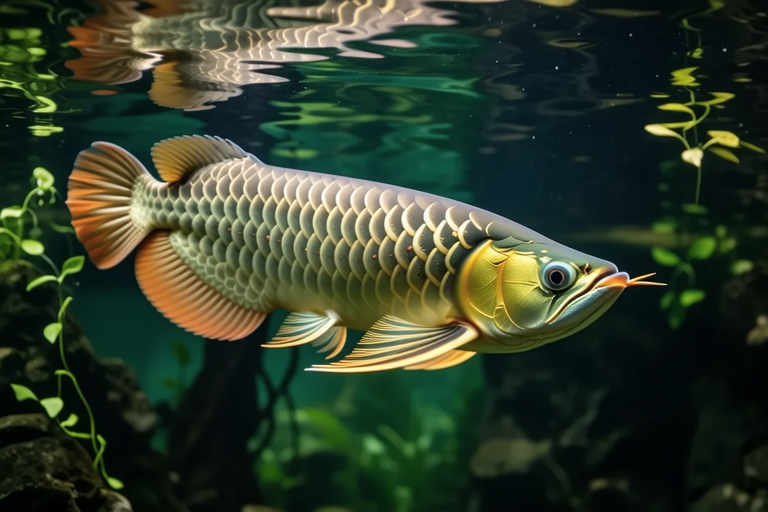
From Jungle to Aquarium: The Intriguing Journey of Arowana
The arowana, often referred to as the “Dragon Fish” due to its elongated body and dragon-like appearance, is a captivating species that has long fascinated both scientists and hobbyists alike. Native to the lush, tropical rainforests of South America, Southeast Asia, and Africa, these fish have adapted to thrive in the wild, murky waters of rivers and swamps. This article explores the journey of the arowana from its jungle origins to its current status as a popular aquarium inhabitant, delving into its unique physical characteristics, historical significance, and the challenges of keeping it in captivity.
Native Habitats and Unique Physical Characteristics
Arowanas are found in various parts of the world, with different species thriving in distinct environments. In South America, the Silver Arowana (Osteoglossum bicirrhosum) inhabits the Amazon Basin, while the Asian Arowana (Scleropages formosus) is native to countries such as Indonesia, Malaysia, and Thailand. These fish are highly adaptable, able to survive in both fast-moving rivers and stagnant ponds, making them versatile inhabitants of their diverse habitats.
One of the most striking features of the arowana is its sleek, elongated body, which can grow up to three feet in length. They possess large, scaly bodies covered in iridescent scales that shimmer in shades of silver, green, or red, depending on the species. Their eyes, positioned high on their heads, provide excellent vision above and below water, allowing them to hunt prey both in the air and underwater. The arowana’s ability to leap out of the water to catch insects and small birds is one of the most remarkable aspects of its behavior, making it a formidable predator in its natural habitat.
Historical Significance and Myths
The arowana holds significant cultural and historical importance in many regions where it is found. In Southeast Asia, the Asian Arowana is considered a symbol of good luck and prosperity. Legends tell of the fish being a guardian of treasures and a bringer of fortune. Due to this symbolism, owning an arowana was once a privilege reserved for the elite, including royalty and wealthy merchants. This belief has persisted over time, leading to the fish’s popularity among collectors and enthusiasts who seek to harness its supposed mystical powers.
In addition to its cultural significance, the arowana has also played a crucial role in the study of evolutionary biology. Its ancient lineage, dating back over 200 million years, makes it a living fossil, providing valuable insights into the evolution of bony fishes. Scientists have been particularly interested in the arowana’s unique ability to breathe air through its swim bladder, a feature that allows it to survive in oxygen-depleted waters.
The Introduction to Aquariums
The transition of the arowana from the wild to aquariums began in the mid-20th century when advancements in fish breeding and transportation made it possible to keep these fish in captivity. Initially, arowanas were difficult to maintain in home aquariums due to their specific environmental requirements and dietary needs. However, as aquarists gained more knowledge about the species, they developed techniques to successfully house and care for these magnificent creatures.
The primary challenge in keeping arowanas in aquariums lies in replicating their natural habitat. These fish require spacious tanks with ample swimming room, as they are active and need plenty of space to move around. Additionally, maintaining the right water conditions is crucial, as arowanas prefer slightly acidic water with a pH level between 6.5 and 7.5. Water temperature should be kept stable at around 78-82°F (25-28°C). Regular water changes and filtration systems are necessary to ensure optimal water quality.
Care Requirements for Captive Arowanas
Proper care is essential for the health and longevity of arowanas in captivity. In terms of diet, these fish are carnivorous and require a varied menu that includes live foods such as feeder fish, shrimp, and insects. Some hobbyists also offer frozen or freeze-dried alternatives, but live food is generally preferred as it mimics their natural diet. Feeding should be done carefully to avoid overfeeding, which can lead to obesity and health issues.
Arowanas are known for their territorial nature and can become aggressive towards other fish, especially those of similar size or shape. Therefore, it is important to provide ample space and ensure that tankmates are compatible. Ideal tankmates include larger, peaceful species like catfish or plecos, which can coexist without provoking territorial disputes.
The behavior of arowanas in captivity closely mirrors that of their wild counterparts. They are active swimmers and will spend much of their time patrolling the upper levels of the tank. Providing hiding spots and decorations can help reduce stress and promote a more natural environment. Live plants and driftwood can be used to create a more authentic setting, although caution should be taken to ensure that any decorations do not pose a choking hazard.
Ideal Aquarium Setups for Arowanas
To create an ideal habitat for arowanas, aquarists must consider several factors, including tank size, filtration, and decor. A minimum tank size of 125 gallons is recommended for a single adult arowana, with additional space needed for each additional fish. Larger tanks, upwards of 250 gallons, are preferable for multiple arowanas to ensure adequate swimming room.
Filtration systems play a vital role in maintaining water quality. Canister filters or sump systems are commonly used to handle the large volume of water and ensure efficient filtration. Regular maintenance, including weekly water changes and filter cleaning, is necessary to prevent the buildup of harmful substances.
Decorative elements such as rocks, caves, and plants can enhance the visual appeal of the tank while providing hiding spots and stimulation for the fish. Floating plants and driftwood can also help mimic the natural environment of the arowana, encouraging more natural behaviors.
Conservation Efforts and Responsible Pet Ownership
The increasing demand for arowanas in the aquarium trade has led to concerns about their conservation status in the wild. Many species of arowana are now endangered due to overfishing and habitat destruction. Conservation efforts are underway to protect these fish, including captive breeding programs and regulations on international trade.
Responsible pet ownership plays a crucial role in ensuring the survival of arowanas. Aquarists should research thoroughly before purchasing arowanas to ensure they understand the commitment involved in caring for these fish. Choosing reputable breeders and supporting sustainable practices can help reduce pressure on wild populations. Additionally, participating in conservation initiatives and spreading awareness about the importance of protecting these magnificent creatures can make a significant difference.
In conclusion, the journey of the arowana from the jungle to the aquarium is a testament to the adaptability and resilience of this fascinating species. By understanding their unique needs and providing proper care, aquarists can enjoy the beauty and wonder of these ancient fish while contributing to their conservation. As we continue to explore and appreciate the diversity of aquatic life, it is our responsibility to ensure that species like the arowana thrive both in the wild and in captivity.
