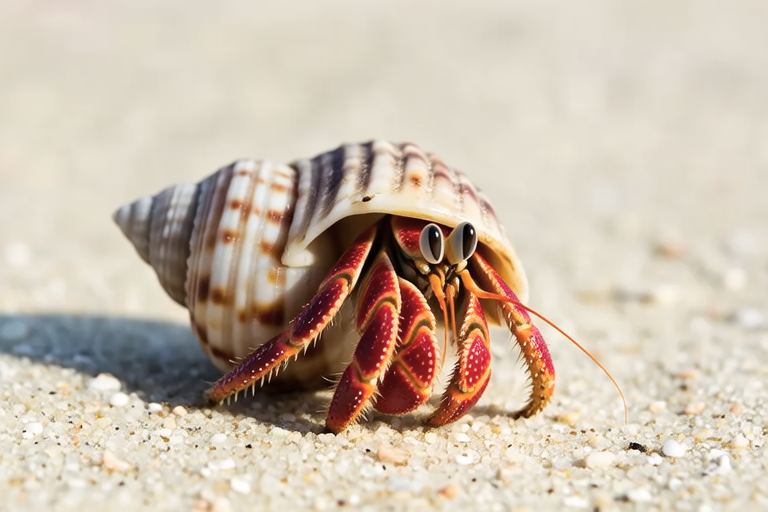
5 Myths About Hermit Crabs Debunked
Hermit crabs are fascinating creatures that have gained immense popularity among pet enthusiasts over the years. These small crustaceans are known for their unique ability to inhabit empty shells, which they carry around as mobile homes. Their quirky behavior and relatively low maintenance make them appealing pets for both children and adults alike. However, despite their widespread appeal, there are several myths surrounding hermit crabs that need to be addressed to ensure proper care and understanding of these delightful creatures.
Myth 1: Hermit Crabs Live in Water
Statement of Misconception: Many people believe that hermit crabs require constant immersion in water to survive. This misconception stems from observing hermit crabs in pet stores where they are often kept in aquariums.
Factual Information: While hermit crabs do need access to water for drinking and molting, they are terrestrial animals that spend most of their time out of water. Scientific studies show that hermit crabs have adapted to live on land but still retain some aquatic characteristics. They primarily require a shallow dish of dechlorinated freshwater for drinking and a separate dish of saltwater for periodic soaking during molting. It’s crucial for owners to understand this distinction to avoid overwatering their hermit crabs, which can lead to health issues.
Myth 2: Hermit Crabs Can Survive Alone
Statement of Misconception: Another common belief is that hermit crabs thrive when housed alone, similar to many other solitary pets.
Factual Information: Hermit crabs are social creatures that benefit greatly from living in groups. Experts suggest that hermit crabs are more active and exhibit healthier behaviors when kept with at least one or two companions. Social interaction is essential for their mental well-being and helps reduce stress. Ensuring your hermit crabs have adequate space and resources for multiple individuals is key to maintaining a thriving environment.
Myth 3: Hermit Crabs Are Low-Maintenance Pets
Statement of Misconception: Some people assume that hermit crabs require minimal attention and care, making them ideal for busy lifestyles.
Factual Information: While hermit crabs are generally hardy and adaptable, they still need proper care to stay healthy. Providing a suitable habitat, including appropriate substrate, humidity levels, and temperature control, is essential. Additionally, regular cleaning of the enclosure and monitoring for signs of illness are necessary tasks. Hermit crabs also need a balanced diet consisting of proteins, carbohydrates, and vitamins. Understanding and meeting these needs ensures long-term happiness and health for your hermit crab companions.
Myth 4: Hermit Crabs Can Change Shells Instantly
Statement of Misconception: There’s a widespread notion that hermit crabs can instantly change into a new shell if one becomes available.
Factual Information: The process of changing shells is more complex than simply swapping one for another. Hermit crabs carefully inspect potential new shells before making a decision. They assess the size, shape, and condition of the shell, ensuring it fits comfortably and provides adequate protection. Once a suitable shell is found, the hermit crab will gradually move into it over a period of time, which may take minutes to hours depending on the situation. This careful selection process underscores the importance of providing a variety of shell sizes and types within their habitat.
Myth 5: Hermit Crabs Have Short Lifespans
Statement of Misconception: A prevalent belief is that hermit crabs have short lifespans, often cited as only a few years.
Factual Information: With proper care, hermit crabs can live much longer than commonly believed. Under optimal conditions, hermit crabs can live up to 20 to 30 years. Factors such as diet, environmental conditions, and overall care significantly influence their lifespan. Ensuring a well-balanced diet rich in nutrients, maintaining a stable habitat with appropriate humidity and temperature, and minimizing stress all contribute to extending their life expectancy. By providing these elements, hermit crab owners can enjoy long-lasting companionship.
Conclusion: Tips for Potential Hermit Crab Owners
Understanding the true nature of hermit crabs is crucial for providing them with the best possible care. To start, always research thoroughly before bringing home these delightful creatures. Ensure you have the necessary supplies and knowledge to create a suitable environment. Provide a spacious tank with plenty of hiding spots, a mix of sand and coconut fiber substrate, and maintain a humidity level between 70% and 80%. Offer a varied diet including fresh fruits, vegetables, and protein sources, along with calcium supplements for strong exoskeletons.
Regularly monitor your hermit crabs for any signs of distress or illness, such as lethargy, loss of appetite, or unusual behavior. Keep the enclosure clean by removing waste and uneaten food promptly. Finally, remember that hermit crabs are social animals; keeping them in pairs or small groups will enhance their quality of life.
By dispelling these myths and adhering to accurate information, you can ensure your hermit crabs lead happy, healthy lives. Embrace the joy of owning these fascinating creatures while respecting their unique needs and behaviors.
