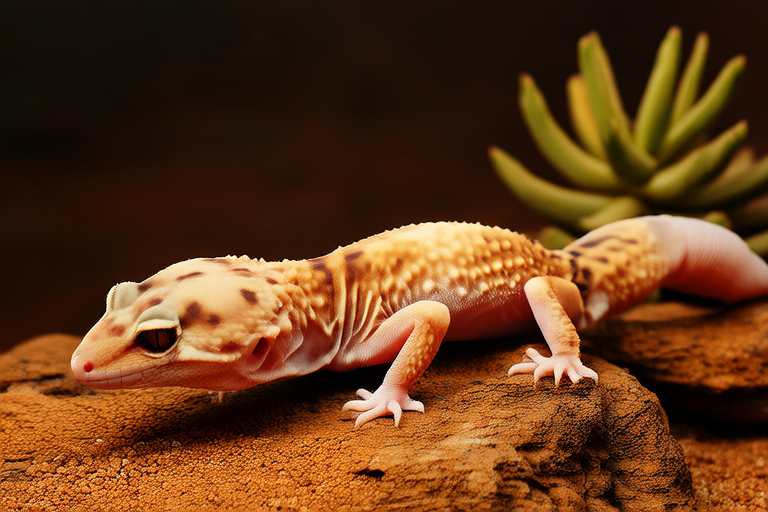
5 Secrets Every Leopard Gecko Owner Should Know
Welcome to the world of leopard geckos! These charming reptiles have captured the hearts of many pet enthusiasts with their docile nature and captivating appearance. As a responsible owner, it’s crucial to understand the nuances of caring for your gecko to ensure its health and happiness. This article delves into five essential secrets every leopard gecko owner should know, combining scientific insights with practical advice.
Secret 1: Understanding Your Gecko’s Unique Behaviors
Leopard geckos exhibit fascinating behaviors that reflect their evolutionary adaptations. One such behavior is their nocturnal lifestyle. Unlike diurnal animals, leopard geckos are most active during the night, seeking warmth from their basking spot and hunting for insects. This nocturnal behavior is an adaptation to their natural habitat in arid regions where daytime temperatures can be scorching. As an owner, providing a suitable basking area and maintaining a temperature gradient within the enclosure is vital. The ideal daytime temperature should range between 78-88°F (26-31°C), while nighttime temperatures can drop to around 65-70°F (18-21°C).
Another intriguing behavior is their ability to autotomize their tails when threatened. While this may seem alarming, it’s a survival mechanism designed to distract predators. The tail will regenerate over time, but the regenerated tail is usually shorter and thinner than the original. To minimize stress and reduce the risk of tail loss, ensure your gecko’s enclosure has plenty of hiding spots and secure areas. This helps them feel safe and reduces the likelihood of feeling threatened.
Secret 2: Meeting Their Dietary Needs
Leopard geckos are insectivores, meaning their diet primarily consists of live insects. Crickets, mealworms, and waxworms are popular choices among owners. However, it’s important to provide a balanced diet that includes various insects to ensure your gecko receives all necessary nutrients. Feeding a variety of insects also mimics their natural diet in the wild.
Calcium and vitamin D3 are crucial for maintaining strong bones and preventing metabolic bone disease (MBD). MBD is a serious condition that can lead to deformities and fractures if left untreated. To prevent MBD, dust the insects with a high-quality calcium supplement containing vitamin D3 before feeding them to your gecko. It’s recommended to feed adult geckos two to three times a week, offering as many insects as they can consume in about 15 minutes. Juvenile geckos, on the other hand, require more frequent feedings, typically daily or every other day.
In addition to insects, some owners choose to offer a small amount of commercial gecko food as a supplement. These foods are formulated to provide additional nutrients and can be beneficial for picky eaters or geckos that aren’t getting enough nutrition from insects alone. However, it’s important to avoid overfeeding, as obesity can lead to health issues. Always monitor your gecko’s weight and adjust feeding amounts accordingly.
Secret 3: Creating the Ideal Habitat
A well-designed habitat is key to your gecko’s overall health and well-being. Leopard geckos thrive in environments that mimic their natural habitat, which includes sandy soil, rocky terrain, and ample hiding spots. Start by choosing a tank size appropriate for your gecko’s age and size. A 10-gallon tank is sufficient for a single adult gecko, but larger tanks are preferable for multiple geckos or those who need more space to roam.
The substrate, or bedding material, is another critical aspect of the habitat. Avoid using sand, as it poses a choking hazard and can cause impaction if ingested. Instead, opt for a reptile-safe carpet, paper towels, or a coconut fiber substrate. These options are safer and easier to clean. Additionally, provide a shallow water dish for drinking and soaking. Leopard geckos don’t often drink from standing water, so misting the enclosure occasionally can help encourage hydration.
Hiding spots are essential for your gecko’s mental and physical health. They provide a sense of security and allow your gecko to retreat when stressed. Use rocks, cork bark, or commercially available hides to create cozy spaces. Ensure these hiding spots are large enough for your gecko to fit comfortably and securely. Proper ventilation is also crucial for maintaining air quality within the enclosure. Adequate airflow prevents the buildup of harmful bacteria and mold.
Secret 4: Recognizing Health Indicators
Regular monitoring of your gecko’s health is vital for early detection of potential issues. Familiarize yourself with normal behaviors and physical characteristics to quickly identify any deviations. Healthy leopard geckos are alert, active, and have clear eyes and nostrils. Their skin should be smooth and free of lesions or discoloration. Regular shedding is another sign of good health. Leopard geckos shed their skin periodically, and the process should be relatively smooth without excessive difficulty.
If you notice any unusual behaviors or physical signs, it’s important to act promptly. Common health issues include respiratory infections, parasites, and metabolic bone disease. Respiratory infections can manifest as labored breathing, nasal discharge, or lethargy. Parasites may cause weight loss, diarrhea, or visible worms in the feces. Metabolic bone disease, as mentioned earlier, can result in weakened bones, difficulty moving, or swollen limbs. In cases of suspected illness, consult a veterinarian specializing in reptiles for proper diagnosis and treatment.
To maintain your gecko’s health, regular veterinary check-ups are recommended. These appointments allow for comprehensive assessments and timely interventions. Additionally, keeping a clean and hygienic environment is paramount. Clean the enclosure weekly, removing waste and replacing substrate as needed. Disinfecting the enclosure periodically can further reduce the risk of bacterial or fungal infections.
Secret 5: Debunking Common Misconceptions
Despite their popularity, there are several misconceptions surrounding leopard geckos. One prevalent myth is that they require UVB lighting. Unlike some other reptiles, leopard geckos do not need UVB light for vitamin D synthesis. Their nocturnal lifestyle means they spend little time exposed to direct sunlight. Providing a heat lamp for basking and maintaining appropriate temperature gradients is sufficient for their needs.
Another misconception is that leopard geckos can live solely on crickets. While crickets are a staple in their diet, a varied diet is essential for optimal nutrition. Including other insects and occasional supplementation ensures your gecko receives all necessary nutrients. Over-reliance on one type of food can lead to nutritional deficiencies.
Lastly, some owners believe that handling their gecko frequently is detrimental. In reality, gentle and consistent handling can help build trust and make your gecko more comfortable around humans. Start with short sessions, allowing your gecko to acclimate gradually. Always support your gecko’s body when handling to prevent injury. Over time, your gecko will become more relaxed and less likely to display defensive behaviors.
Conclusion
Caring for a leopard gecko is a rewarding experience that requires knowledge and commitment. By understanding their unique behaviors, meeting their dietary needs, creating an ideal habitat, recognizing health indicators, and debunking common misconceptions, you can provide your gecko with a thriving and enriched life. Remember, a happy and healthy gecko is the result of attentive and informed care. Enjoy the journey of raising these remarkable reptiles!
