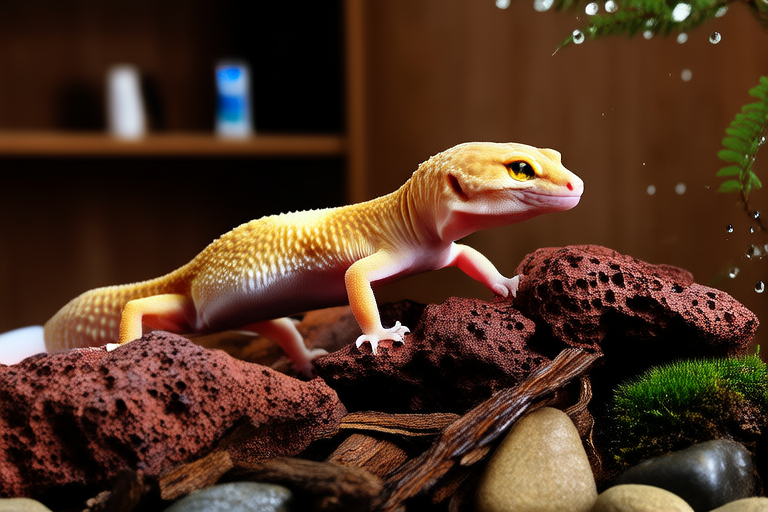
Leopard Gecko Habitat Hacks for Every Pet Owner
Welcome to the world of leopard geckos! These fascinating creatures are becoming increasingly popular among pet enthusiasts due to their unique personalities and relatively low maintenance. However, to ensure your gecko lives a long, healthy, and happy life, it’s crucial to provide them with the right habitat. In this guide, we’ll walk you through essential tips for setting up and maintaining an optimal living environment for your leopard gecko.
Temperature Gradients: The Key to Comfort
The first and foremost consideration when creating a habitat for your leopard gecko is temperature control. Leopard geckos are ectothermic, meaning they rely on external sources to regulate their body temperature. A well-designed temperature gradient allows them to thermoregulate effectively.
- Hot Spot: Maintain a hot spot of around 90°F (32°C) during the day. This can be achieved using under-tank heaters or ceramic heat emitters. Be sure to monitor the temperature closely to avoid overheating.
- Cool Spot: Provide a cool area where the temperature ranges between 75°F and 80°F (24°C – 27°C). This allows your gecko to retreat to a cooler spot when needed.
- Nighttime Temperatures: Lower the nighttime temperatures to about 70°F (21°C) to mimic their natural environment.
- Avoid Common Mistakes: Overheating can lead to stress and dehydration, while cold spots can cause respiratory infections. Invest in a reliable thermostat to maintain consistent temperatures.
Humidity Levels: Balancing Moisture
Leopard geckos originate from arid regions, so they require a dry environment with low humidity. Maintaining the correct humidity level is vital for preventing respiratory issues and skin problems.
- Humidity Range: Aim for a humidity level between 30% and 40%. Use a hygrometer to monitor humidity levels accurately.
- Misting: Lightly mist the enclosure once or twice a week to keep the air moist without making it overly damp. Ensure the substrate dries completely between misting sessions.
- Avoid Common Mistakes: High humidity levels can promote mold growth and increase the risk of respiratory infections. Conversely, too dry conditions can lead to shedding difficulties. Always check humidity levels regularly.
Substrate Choices: Safe and Comfortable Ground
The substrate you choose plays a significant role in your gecko’s health and well-being. Opt for a substrate that is easy to clean, non-toxic, and suitable for burrowing.
- Best Substrates: Reptile carpet, paper towels, and tile are excellent options. They’re safe, easy to clean, and don’t pose any ingestion risks.
- Avoid Common Substrates: Sand, walnut shells, and corn cob bedding can cause impaction if ingested. Avoid these substrates at all costs.
- Maintenance: Regularly clean the substrate to prevent bacterial growth and ensure a clean environment for your gecko.
Hiding Spots: Providing Privacy and Security
Leopard geckos are naturally shy and need plenty of hiding spots to feel secure. Offering multiple hiding spots will encourage your gecko to explore and settle into its new home.
- Types of Hiding Spots: Use caves, tunnels, and cork bark hides. Place one hide near the hot spot and another near the cool spot to provide temperature options.
- Placement: Position hides in various locations throughout the enclosure to allow your gecko to move between different temperature zones comfortably.
- Avoid Common Mistakes: Ensure hides are large enough for your gecko to fit inside but small enough to make them feel enclosed. Avoid placing hides directly under the heat source.
Lighting Requirements: Natural Daylight and UVB Exposure
While leopard geckos don’t require full-spectrum UVB lighting like some other reptiles, providing a photoperiod can help regulate their circadian rhythms and promote overall well-being.
- Photoperiod: Maintain a 12-hour light cycle with a gentle red bulb or a moonlight bulb at night to avoid disrupting your gecko’s sleep pattern.
- UVB Lighting: Although not necessary, offering a low level of UVB light can support calcium metabolism. Ensure the UVB bulb is placed outside the enclosure to prevent direct exposure.
- Avoid Common Mistakes: Avoid using white lights at night as they can disturb your gecko’s sleep. Always replace bulbs according to manufacturer guidelines to ensure effectiveness.
Cleaning Schedules: Keeping Your Gecko Healthy
Regular cleaning is crucial for maintaining a healthy habitat and preventing the spread of bacteria and parasites. Establish a cleaning schedule to ensure your gecko’s environment remains safe and comfortable.
- Daily Maintenance: Remove waste and uneaten food daily. Check for signs of illness or injury.
- Weekly Cleaning: Clean water dishes and disinfect feeding utensils. Spot-clean the substrate to remove debris.
- Monthly Deep Cleaning: Thoroughly clean and disinfect the entire enclosure. Replace substrate and any accessories that can’t be cleaned properly.
- Avoid Common Mistakes: Never use harsh chemicals or scented cleaners. Always rinse thoroughly after disinfecting to remove any residue.
Feeding and Watering: Nutrition and Hydration
Proper nutrition and hydration are essential for your gecko’s health. Here are some tips for ensuring your gecko gets the nutrients it needs.
- Food Variety: Offer a variety of insects such as crickets, mealworms, and dubia roaches. Dust the insects with calcium powder and multivitamins before feeding.
- Water Supply: Provide a shallow water dish that your gecko can easily access. Change the water daily to prevent contamination.
- Hydration: Some geckos may drink water from the misting, but always offer a water dish just in case.
- Avoid Common Mistakes: Overfeeding can lead to obesity, while underfeeding can cause malnutrition. Stick to a consistent feeding schedule and monitor your gecko’s weight.
Conclusion: Creating a Happy Home for Your Leopard Gecko
Creating the perfect habitat for your leopard gecko requires attention to detail and regular maintenance. By following these tips, you can ensure your gecko has a comfortable, stimulating, and healthy environment. Remember, the key to a happy gecko is a balanced habitat that meets its physiological and psychological needs. With the right setup and care, your leopard gecko will thrive and bring joy to your home for years to come.
