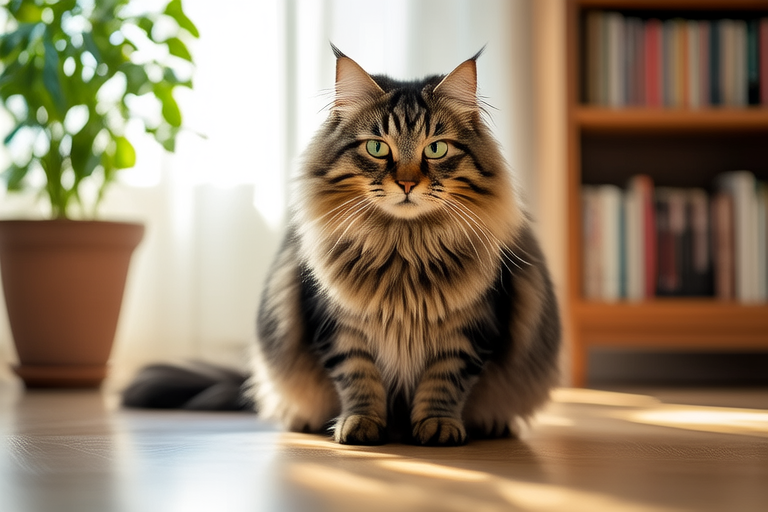
The Ultimate Guide to Caring for Your Maine Coon at Home
Maine Coons are one of the most beloved breeds of cats due to their friendly nature, intelligence, and striking appearance. These large, semi-longhaired felines are known for their gentle demeanor and playful spirit, making them excellent companions for families and individuals alike. Proper care is crucial to ensure your Maine Coon thrives in its home environment. This guide covers essential care tips, dietary needs, grooming requirements, health considerations, exercise recommendations, living environment setup, understanding their temperament, choosing appropriate toys, and addressing common behavioral issues.
Understanding the Temperament of Maine Coons
Maine Coons are often referred to as ‘gentle giants’ because of their calm and affectionate disposition. They are generally good with children and other pets, making them ideal family pets. These cats are intelligent and can be trained to walk on a leash or play fetch, which makes them more interactive than many other breeds. Understanding your Maine Coon’s personality will help you provide the best care and enrichment for your pet.
Dietary Needs of Maine Coons
Feeding your Maine Coon a balanced diet is essential for maintaining its health and longevity. As a large breed, they require high-quality protein and fat to support their muscle mass and overall well-being. Choose foods that are rich in animal-based proteins like chicken, fish, or beef, and avoid fillers such as corn or wheat. Wet food can also be beneficial as it provides additional hydration. Always consult with your veterinarian regarding the appropriate diet for your specific cat.
Grooming Requirements for Maine Coons
Maine Coons have thick, water-resistant coats that need regular grooming to prevent matting and hairballs. Brush your cat at least once a week, increasing frequency during shedding seasons. Use a slicker brush or a wide-tooth comb to remove loose fur and tangles. Additionally, pay attention to your cat’s nails, trimming them every few weeks to prevent overgrowth. Regular dental care is also important; brushing your cat’s teeth weekly can help prevent gum disease.
Health Considerations for Maine Coons
While Maine Coons are generally healthy, they are prone to certain genetic conditions, including hypertrophic cardiomyopathy (HCM), hip dysplasia, and polycystic kidney disease (PKD). Regular veterinary check-ups are vital to monitor your cat’s health and catch any potential issues early. Keep vaccinations up-to-date and maintain a healthy weight to reduce the risk of obesity-related diseases.
Exercise Recommendations for Maine Coons
Despite their large size, Maine Coons enjoy physical activity and mental stimulation. Provide toys that encourage movement, such as feather wands or laser pointers, to keep your cat active. Interactive games like fetch or hide-and-seek can also enhance bonding and provide mental challenges. Ensure your cat has access to safe outdoor areas if it enjoys exploring, but always supervise or consider keeping them indoors for safety reasons.
Living Environment Setup
Creating a comfortable living space for your Maine Coon involves providing ample room for movement, cozy resting spots, and easy access to food, water, and litter boxes. Multi-level furniture or cat trees allow for climbing and perching, satisfying their natural instincts. Place litter boxes in quiet, easily accessible locations away from food and sleeping areas. Cleanliness is key to maintaining a happy and healthy home for your cat.
Choosing Appropriate Toys for Maine Coons
Selecting toys that match your Maine Coon’s interests and energy level is important for their enjoyment and well-being. Balls, puzzle feeders, and interactive toys can stimulate their minds while encouraging physical activity. Rotate toys periodically to keep interest levels high. Avoid small objects that could pose choking hazards or strings that might cause internal injuries if swallowed.
Addressing Common Behavioral Issues
Like all pets, Maine Coons may exhibit behaviors that challenge their owners. Aggression towards other animals, inappropriate scratching, or excessive meowing are common issues. Positive reinforcement training, consistent routines, and environmental enrichment can help manage these behaviors. Redirect scratching onto scratching posts by placing them near areas your cat frequents. For vocalization, try ignoring persistent meowing until your cat learns that it doesn’t get attention.
Conclusion
Caring for a Maine Coon requires dedication and effort, but the rewards are immeasurable. By understanding their unique needs and providing proper care, you can ensure your Maine Coon lives a long, happy life. Remember to stay informed about advancements in pet care and maintain open communication with your veterinarian. With love, patience, and attention, you’ll create a wonderful home for your cherished companion.
