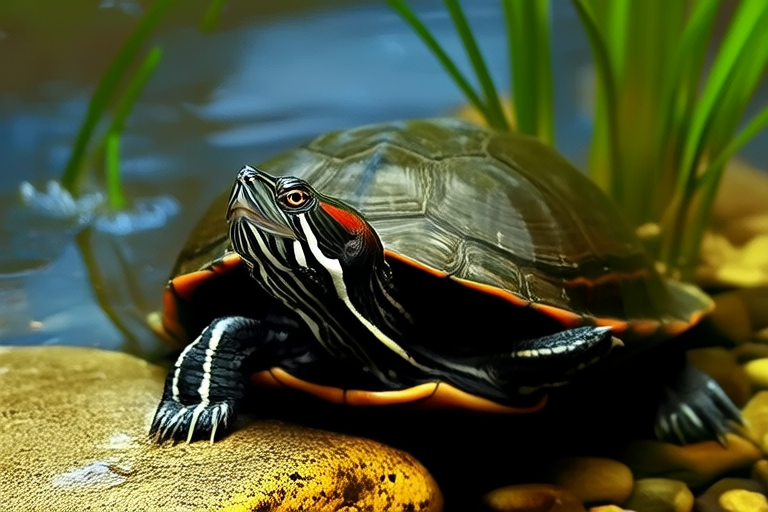
Red-eared Slider Care Guide: Everything You Need to Know Before Adopting
Welcome to your comprehensive Red-eared Slider care guide. This guide is designed to help you understand the responsibilities of owning a Red-eared Slider, one of the most popular aquatic turtles in the world. Before bringing home your new pet, it’s essential to be well-prepared for their unique needs.
Habitat Setup
Tank Size
The minimum tank size for a single adult Red-eared Slider is 75 gallons. However, larger tanks are recommended as they offer more space for swimming and basking. Juvenile sliders can start in smaller tanks, but they will need to be moved to larger tanks as they grow. Always remember that the tank size should be proportional to the turtle’s size.
Filtration
A high-quality filtration system is crucial for maintaining water quality. Filters should be powerful enough to handle the tank volume and provide mechanical, biological, and chemical filtration. Regular water changes are still necessary, even with good filtration.
Lighting
Red-eared Sliders require UVB lighting to synthesize vitamin D3, which aids in calcium absorption. A full-spectrum reptile bulb emitting UVB rays is necessary for at least 10 hours daily. The light source should be positioned so that the turtle can bask within 12 inches of the bulb. Additionally, a heat lamp should be provided to create a basking area with temperatures ranging from 85°F to 95°F (29°C to 35°C).
Heating
Water temperature should be maintained between 75°F and 80°F (24°C to 27°C) using submersible heaters. Place the heater in a secure holder to prevent it from tipping over. It’s also important to monitor the water temperature regularly to ensure it remains within the optimal range.
Diet and Nutrition
A balanced diet is essential for the health and longevity of your Red-eared Slider. Their diet should consist of commercial turtle pellets, supplemented with fresh vegetables, fruits, and occasional protein sources like earthworms or lean meats. Avoid feeding them iceberg lettuce or any food high in fat or sugar.
Health Concerns
Common health issues include shell rot, respiratory infections, and metabolic bone disease. Regular veterinary check-ups are crucial, especially if you notice any unusual behavior or physical symptoms. Proper hygiene and nutrition can significantly reduce the risk of these conditions.
Behavioral Traits
Red-eared Sliders are generally docile and can become quite tame with regular handling. They are active swimmers and enjoy basking. However, they can also be territorial, especially during mating season. Providing ample space and hiding spots can help minimize aggressive behaviors.
Common Mistakes to Avoid
- Underestimating Space Needs: Many owners underestimate the space required for these turtles, leading to stress and health problems. Ensure you have a large enough tank from the start.
- Inadequate Lighting: Failing to provide adequate UVB lighting can lead to serious health issues, including metabolic bone disease. Always use a reliable UVB source.
- Poor Water Quality: Neglecting proper filtration and water changes can result in bacterial growth and ammonia build-up, harming your turtle.
- Improper Diet: Feeding an imbalanced diet can lead to nutritional deficiencies. Always research and prepare a balanced meal plan.
Long-Term Commitment
Owning a Red-eared Slider is a long-term commitment. These turtles can live up to 40 years or more with proper care. Consider the time and resources needed for their care before deciding to adopt one.
Resources for Further Learning
To deepen your understanding of Red-eared Slider care, consider reading books, joining online forums, or attending local reptile expos. Engaging with experienced turtle keepers and veterinarians can provide valuable insights and support throughout your journey.
