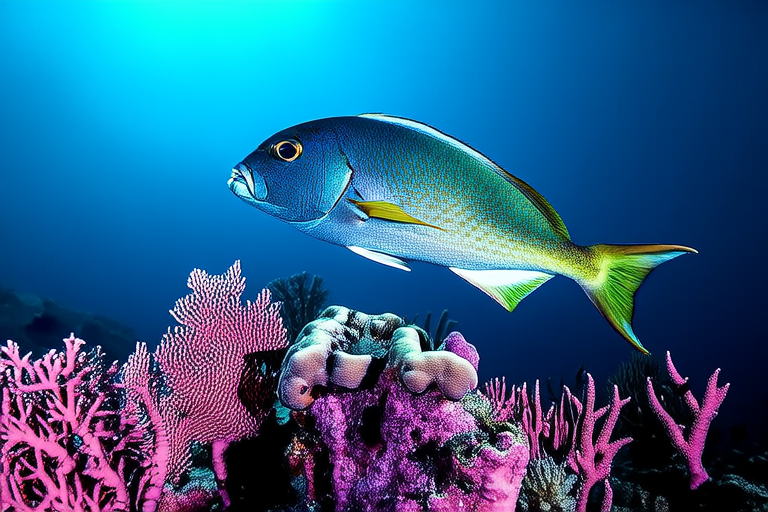
How Parrot Fish Are Shaping Our Oceans: Their Impact on Marine Ecosystems
Parrotfish are one of the most fascinating and ecologically significant groups of fish in the world’s oceans. These colorful, diverse creatures play a crucial role in maintaining the health and balance of coral reefs, which are some of the most biodiverse ecosystems on Earth. This article delves into the ecological role of parrotfish, detailing their grazing habits, effects on algae growth, and symbiotic relationships within marine ecosystems. It also explores the consequences of overfishing and habitat loss on these species and emphasizes the importance of protecting them for the future of our oceans.
The Ecological Role of Parrot Fish
Parrotfish are known for their unique feeding behavior, which involves scraping algae from coral surfaces using their beak-like teeth. This process, known as bioerosion, is essential for the maintenance of coral reefs. According to Dr. Andrew Rhyne, a marine biologist at Roger Williams University, “Parrotfish are like the lawnmowers of the sea, keeping algae in check and promoting coral growth.” By removing algae, parrotfish help prevent the overgrowth of algae, which can smother and kill corals. This, in turn, ensures that coral reefs remain healthy and vibrant.
Parrotfish also contribute to the formation of sand in tropical waters. As they feed, they ingest large amounts of coral and other calcium carbonate structures. After digestion, their waste products are excreted as fine sand particles. This process plays a significant role in the creation of beaches and islands in many tropical regions. Dr. Rhyne further explains, “Without parrotfish, many of our favorite tropical destinations would look very different. They are vital for the ongoing construction of coral reefs and the creation of sandy beaches.”
Symbiotic Relationships
Parrotfish have evolved to form symbiotic relationships with various organisms in marine ecosystems. For example, they often share space with cleaner shrimp and wrasses, which remove parasites and dead skin from their bodies. This mutualistic relationship benefits both parties by reducing the risk of disease and improving overall health. Additionally, parrotfish provide shelter and protection for smaller fish species, creating complex and interconnected communities within the reef environment.
These symbiotic relationships highlight the intricate web of life that exists within coral reefs. The presence of parrotfish not only supports their own survival but also enhances the resilience of entire ecosystems. Scientists believe that understanding these relationships can provide valuable insights into the management and conservation of marine environments.
Consequences of Overfishing and Habitat Loss
Despite their importance, parrotfish populations face numerous threats, including overfishing and habitat destruction. In many parts of the world, parrotfish are targeted for their meat, which is considered a delicacy in some cultures. Overfishing can lead to significant declines in parrotfish populations, disrupting the delicate balance of coral reefs. Dr. Rhyne warns, “When we remove too many parrotfish from an ecosystem, it can lead to unchecked algae growth, which can suffocate corals and degrade the entire reef structure.”
Habitat loss, caused by climate change, pollution, and coastal development, further exacerbates the challenges faced by parrotfish. Rising ocean temperatures and increased acidity levels can stress coral reefs, making them more susceptible to disease and bleaching events. Pollution, such as plastic debris and chemical runoff, can harm both parrotfish and the corals they rely on for food and shelter. Coastal development, particularly the construction of hotels and resorts near coral reefs, can lead to physical damage and degradation of habitats.
The consequences of these threats are far-reaching and can have cascading effects throughout marine ecosystems. Without sufficient numbers of parrotfish, coral reefs may become less resilient to environmental changes, leading to widespread degradation and loss of biodiversity.
The Importance of Protecting Parrot Fish
Protecting parrotfish is essential for maintaining the health and balance of coral reefs and the broader marine environment. Conservation efforts must focus on sustainable fishing practices, habitat preservation, and the reduction of human impacts on marine ecosystems. Establishing marine protected areas (MPAs) where fishing is restricted or prohibited can help ensure that parrotfish populations have a safe haven to thrive. Additionally, raising awareness about the importance of these fish and their role in marine ecosystems can encourage responsible behaviors among consumers and policymakers alike.
Scientists and conservationists emphasize that protecting parrotfish is not just about saving individual species but about preserving entire ecosystems. Dr. Rhyne concludes, “By safeguarding parrotfish, we are investing in the future of our oceans and ensuring that coral reefs continue to provide invaluable services to both wildlife and humanity.” These services include supporting fisheries, providing recreational opportunities, and serving as natural barriers against storm surges and erosion.
In conclusion, parrotfish are unsung heroes of the marine world, playing a critical role in maintaining the health and balance of coral reefs. Their grazing habits, symbiotic relationships, and contributions to sand formation underscore their importance in shaping our oceans. However, the threats posed by overfishing and habitat loss demand urgent action to protect these remarkable fish and the ecosystems they support. By working together to conserve parrotfish, we can help ensure the long-term sustainability of our oceans and the countless benefits they provide.
