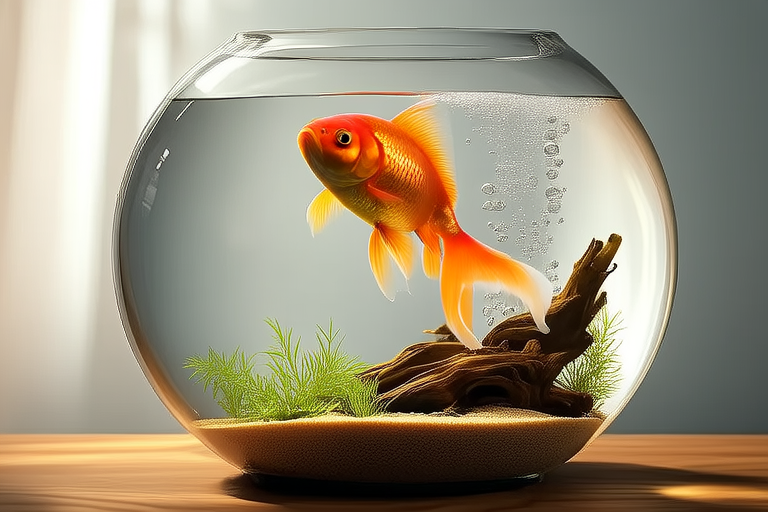
How to Create the Perfect Habitat for Your Goldfish: Tips from Experts
Welcome to the world of goldfish ownership! These vibrant, lively creatures can bring joy and beauty to any home. However, creating the perfect habitat for your goldfish requires careful planning and attention to detail. In this article, we will guide you through the process with expert advice on selecting an appropriate tank size, filtration systems, temperature control, water quality maintenance, suitable decorations, beneficial plants, proper lighting cycles, and feeding habits. We’ll also emphasize the importance of regular water changes and monitoring fish behavior for early signs of health issues.
Selecting the Right Tank Size
The first step in creating a perfect habitat for your goldfish is choosing the right tank size. Many beginners make the mistake of underestimating the space their goldfish need. According to Dr. Emily Carter, a renowned aquatic veterinarian, “Goldfish are surprisingly large and active fish that require ample swimming room.” A general rule of thumb is to provide at least 20 gallons of water per goldfish. For instance, a single goldfish would thrive in a 20-gallon tank, while two goldfish would need a 30-gallon tank. Larger tanks not only provide more swimming space but also help maintain better water quality by diluting waste products.
Filtration Systems
Adequate filtration is crucial for maintaining a healthy environment for your goldfish. Filtration systems remove harmful toxins like ammonia and nitrite from the water, ensuring a safe living space for your pets. Dr. Carter recommends a filter that can handle at least four times the volume of the tank per hour. For example, a 30-gallon tank should have a filter capable of processing 120 gallons per hour. There are various types of filters available, including hang-on-back, canister, and sponge filters. Each type has its advantages, so it’s important to choose one that suits your specific tank setup and fish needs.
Temperature Control
Goldfish are cold-water fish, meaning they prefer temperatures between 68°F and 74°F (20°C and 23°C). Maintaining this temperature range is vital for their health and longevity. Dr. Carter advises against using heaters unless necessary because goldfish can become stressed if exposed to fluctuating temperatures. Instead, she suggests placing the tank away from direct sunlight and drafts to prevent temperature fluctuations. If you live in a particularly warm or cool climate, consider investing in a reliable aquarium thermometer to monitor the water temperature regularly.
Water Quality Maintenance
Regular water changes are essential for maintaining optimal water quality. Experts recommend changing 10-20% of the tank water weekly to remove accumulated waste and toxins. Dr. Carter emphasizes, “Water changes are the most effective way to keep your goldfish healthy.” To perform a water change, first, siphon out the old water and replace it with fresh, dechlorinated water at the same temperature as the tank. Using a water conditioner specifically designed for freshwater aquariums can help neutralize chlorine and other harmful chemicals found in tap water.
Suitable Decorations
Decorating your goldfish tank can enhance its aesthetic appeal while providing hiding spots and stimulating enrichment for your pets. However, it’s important to choose decorations carefully to avoid安全隐患. Avoid sharp or rough objects that could injure your goldfish. Smooth rocks, driftwood, and artificial plants are excellent choices. Dr. Carter advises, “Always ensure that any new additions to the tank are thoroughly cleaned and free from harmful substances.” Additionally, providing caves or tunnels can encourage natural behaviors such as exploration and resting.
Beneficial Plants
Incorporating live plants into your goldfish tank can offer numerous benefits. Plants help improve water quality by absorbing excess nutrients and producing oxygen through photosynthesis. They also serve as natural hiding places and spawning sites for certain species. Some popular plant options include Java moss, Anubias, and Cryptocoryne. Dr. Carter suggests, “Choose hardy, low-maintenance plants that can thrive in your specific tank conditions.” Be sure to research each plant’s requirements before introducing them to your tank to ensure compatibility with your goldfish.
Proper Lighting Cycles
Maintaining a consistent lighting cycle is important for both the health and well-being of your goldfish and the overall balance of the ecosystem within the tank. Experts recommend simulating a natural day-night cycle by keeping the lights on for approximately 8-12 hours per day. This schedule helps regulate your goldfish’s circadian rhythms and promotes healthy eating and sleeping patterns. Overexposure to light can lead to stress and reduced lifespan. Therefore, it’s best to use timers to automate the lighting process, ensuring a consistent routine.
Feeding Habits
Proper nutrition is key to maintaining the health and vitality of your goldfish. Dr. Carter recommends feeding your goldfish high-quality flake food or pellets twice daily, offering only what they can consume within a few minutes. Overfeeding can lead to poor water quality and obesity. It’s also beneficial to supplement their diet with occasional treats such as blanched vegetables or freeze-dried bloodworms. Always ensure that any additional foods are appropriately sized for your goldfish to prevent choking hazards.
Monitoring Fish Behavior
Closely observing your goldfish’s behavior can help detect potential health issues early on. Healthy goldfish are typically active swimmers, displaying vibrant colors and good appetites. Any noticeable changes in behavior, such as lethargy, loss of appetite, or unusual swimming patterns, may indicate underlying problems. Dr. Carter advises, “Pay close attention to your goldfish’s appearance and activity levels, and consult a veterinarian if you notice any concerning symptoms.” Regularly checking for signs of disease or injury allows for prompt intervention, potentially saving your pet’s life.
Conclusion
Creating the perfect habitat for your goldfish involves careful consideration of many factors, from selecting the appropriate tank size to maintaining optimal water quality. By following expert advice on filtration systems, temperature control, water quality maintenance, suitable decorations, beneficial plants, proper lighting cycles, and feeding habits, you can ensure your goldfish enjoy a healthy and happy life. Remember to perform regular water changes and monitor fish behavior for early signs of health issues. With these tips, even novice owners can create a thriving environment for their beloved pets.
