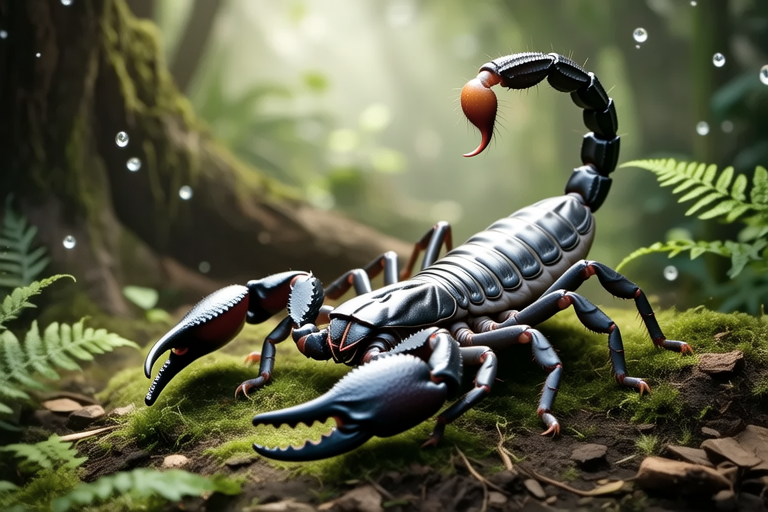
From Desert to Home: How Heterometrus Spinifer is Making Its Mark as a Pet
The world of exotic pets has seen an increasing interest in scorpions, with the Heterometrus spinifer being one of the most intriguing choices for enthusiasts. Native to arid regions of India and Southeast Asia, this species has carved out a niche as a popular pet among reptile and arachnid lovers. This article explores the journey of Heterometrus spinifer from its desert origins to becoming a beloved companion in homes around the globe.
Natural Habitat and Behavior
Heterometrus spinifer, commonly known as the Indian forest scorpion, thrives in the harsh conditions of arid and semi-arid regions. These scorpions have adapted to survive in environments characterized by extreme temperatures, limited water sources, and sparse vegetation. They typically inhabit rocky crevices, under logs, or within burrows that provide shelter from predators and the elements. Their nocturnal nature allows them to avoid the intense heat of the day, emerging only after dusk to hunt small insects and other arthropods.
In the wild, Heterometrus spinifer demonstrates remarkable resilience and adaptability. Their physical features, such as their large pincers and powerful claws, enable them to capture prey efficiently. The venomous sting serves both as a defensive mechanism against threats and as a means to subdue larger prey items. Despite their formidable appearance, they are generally shy and reclusive creatures, preferring to avoid confrontation unless provoked.
Physical Characteristics
The Heterometrus spinifer boasts a robust body structure, measuring up to 9 centimeters in length. Its coloration varies from dark brown to black, providing excellent camouflage against the rocky terrain of its native habitat. One of the most distinctive features of this species is the presence of spines along its tail, which give it its name. These spines are not merely decorative; they play a crucial role in defense, deterring potential predators.
Their sensory organs are highly developed, enabling them to navigate their environment effectively. The pectines, located beneath the abdomen, detect vibrations and chemical cues, while the pedipalps serve as tactile appendages. These adaptations make Heterometrus spinifer well-suited for life in the desert, where visual cues may be limited.
Transitioning to Pet Life
Owning a Heterometrus spinifer as a pet requires careful consideration and preparation. Beginners should start by researching extensively and consulting experienced keepers before committing to this endeavor. Once ready, setting up an appropriate habitat is crucial for the well-being of your scorpion.
The enclosure should mimic the natural environment as closely as possible. A glass terrarium with a secure lid provides ample space for exploration and climbing. The substrate can consist of sand or coconut fiber, ensuring proper drainage and preventing moisture buildup. Adding rocks, cork bark, or artificial plants creates hiding spots and enriches the environment, promoting natural behaviors.
Maintaining optimal temperature and humidity levels is essential. A daytime temperature range of 75-85°F (24-29°C) and nighttime drops to 65-75°F (18-24°C) are ideal. Humidity should be kept between 60-80%, achieved through regular misting and the use of a shallow water dish. Proper ventilation ensures air circulation without drying out the enclosure.
Dietary Needs
Heterometrus spinifer are carnivorous, feeding primarily on live insects. Crickets, mealworms, and dubia roaches are common food sources, but variety is key. Offering different prey items not only provides nutritional balance but also stimulates hunting instincts. Feed juveniles every 3-4 days, while adults can be fed once weekly. Gut-loading prey with nutritious vegetables enhances the nutritional value of each meal.
Handling should be minimal to prevent stress and injury. When necessary, use long-handled tongs or wear thick gloves for protection. Always approach slowly and calmly, giving the scorpion time to acclimate to your presence.
Challenges and Rewards
One of the primary challenges of owning Heterometrus spinifer is the initial setup and maintenance of the enclosure. Ensuring the right temperature, humidity, and substrate can be demanding. However, experienced owners emphasize that the satisfaction of watching your scorpion thrive in its new home outweighs the effort.
Many owners report a deep sense of connection with their pets, appreciating the unique behaviors and interactions. Observing their nocturnal activities, hunting strategies, and defensive postures provides endless fascination. Additionally, the educational aspect of caring for a Heterometrus spinifer can inspire curiosity and respect for these often misunderstood creatures.
Misconceptions and Responsible Ownership
Despite growing popularity, several misconceptions surround keeping Heterometrus spinifer as pets. One common myth is that scorpions are aggressive and dangerous. While they possess venom, encounters are rare if handled properly. Another misconception is that they require little care, which is far from true. Providing suitable living conditions and consistent attention is vital for their health and happiness.
Responsible ownership involves continuous learning and adaptation. Stay informed about advancements in husbandry practices, attend workshops, and join online communities to share experiences and advice. By doing so, you contribute positively to the welfare of these fascinating creatures and promote ethical petkeeping.
In conclusion, transitioning from desert to home, Heterometrus spinifer has established itself as a captivating and rewarding pet. With dedication, knowledge, and respect, owners can create enriching environments that allow these scorpions to flourish. Embrace the journey of discovery and appreciation that comes with caring for these remarkable creatures.
