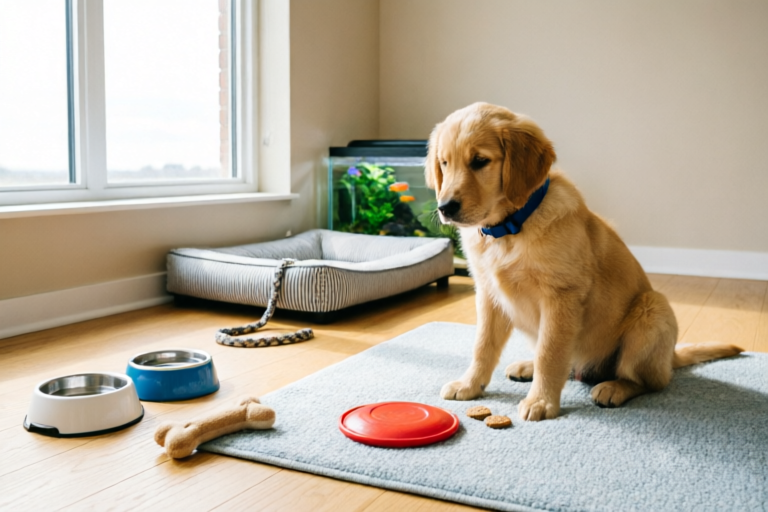
How to Train Your Puppy with Positive Reinforcement Techniques
Train Your Puppy with Love and Positivity
Introduction
Welcome to the world of puppy training! Positive reinforcement is one of the most effective and humane ways to teach your puppy good behavior. This method focuses on rewarding desirable actions rather than punishing undesirable ones, creating a strong bond between you and your pet. In this comprehensive guide, we will explore the ins and outs of positive reinforcement training, helping you set realistic expectations and enjoy a successful training journey.
Understanding Positive Reinforcement
Definition and Principles
Positive reinforcement involves rewarding your puppy for performing desired behaviors. The reward could be a treat, verbal praise, or even a favorite toy. By consistently associating good behavior with something enjoyable, your puppy learns that following instructions leads to pleasant outcomes. This approach contrasts sharply with punishment-based methods which can lead to fear, aggression, or confusion.
Differences from Punishment-Based Methods
Punishment-based training relies on correcting bad behavior through negative consequences such as scolding, physical corrections, or withholding rewards. While these tactics might temporarily suppress unwanted actions, they often fail to teach proper alternatives and can damage trust between owner and pet. Positive reinforcement, on the other hand, encourages learning by association, making it easier for dogs to understand what you want them to do.
The Science Behind Why It Works
The effectiveness of positive reinforcement stems from classical conditioning theory developed by Ivan Pavlov. When paired with rewards, certain cues become powerful motivators for desired responses. Over time, these conditioned responses strengthen until they occur automatically upon cue presentation. This process not only speeds up learning but also ensures better retention of trained behaviors.
Preparing for Training Sessions
Creating a Conducive Environment
Selecting an appropriate location is crucial for successful training sessions. Choose a quiet area free from distractions where both you and your puppy can focus entirely on each other. Ensure there are no hazards nearby that could cause accidents during training. A calm atmosphere helps reduce stress levels for both parties involved.
Choosing Appropriate Rewards
Decide beforehand what type of incentives will work best for your particular pup. Some dogs respond well to food treats while others prefer toys or affectionate gestures like petting or verbal encouragement. Experimentation may be necessary here; however, consistency is key once you've found out what motivates your canine companion most effectively.
Establishing Routine and Schedule
Consistency plays a vital role in establishing clear communication between humans and their four-legged friends. Set aside specific times each day dedicated solely to training activities so neither party feels overwhelmed by unexpected changes in routine. Shorter but frequent sessions tend to yield better results compared to longer less frequent ones since puppies have shorter attention spans.
Basic Commands and Cues
Teaching Essential Commands
Start with simple commands such as 'sit,' 'stay,' 'come,' and 'down.' These foundational skills form the basis of more advanced training later on. Use positive reinforcement every time your puppy successfully executes one of these commands correctly. Gradually increase difficulty levels over time as your pet masters each step.
Using Positive Reinforcement During Command Training
When teaching new commands, always follow correct execution immediately with a reward. This immediate feedback reinforces the connection between action and consequence, speeding up the learning process. Avoid giving treats or praise if mistakes happen; instead, gently guide your puppy back towards success without frustration.
Tips for Troubleshooting Common Challenges
If your puppy struggles to grasp certain commands despite repeated attempts, consider breaking down the task into smaller steps. For example, when teaching 'come,' start by calling your dog from short distances before gradually increasing the distance over several days. Patience and persistence pay off!
Managing Unwanted Behaviors
Identifying Problematic Behaviors
It's important to address any undesirable habits promptly before they become ingrained patterns. Common issues include chewing inappropriate objects, barking excessively, or jumping up on visitors. Observe closely how and when these behaviors occur so you can take proactive measures against them.
Redirecting Attention Through Positive Reinforcement
Instead of punishing unwanted behaviors directly, try redirecting your puppy’s attention towards acceptable alternatives using positive reinforcement techniques. For instance, if your dog starts chewing furniture, offer a chew toy instead accompanied by enthusiastic praise. Over time, your pet will learn that engaging in approved activities earns greater rewards than misbehaving.
Preventing Future Issues
To minimize future behavioral problems, maintain regular training schedules even after initial successes. Regular reviews ensure previously learned lessons remain fresh in mind while introducing new challenges keeps things interesting for both trainer and trainee alike.
Socialization and Confidence Building
The Importance of Early Socialization
Introducing your puppy to various environments, people, and animals during its critical developmental period helps foster healthy social skills and reduces anxiety later in life. Expose your young friend gradually under controlled circumstances ensuring safety at all times.
Encouraging Confidence-Building Exercises
Engage in confidence-building activities designed specifically for growing puppies. Such exercises promote physical development alongside mental stimulation leading to happier healthier pets overall.
Conclusion
In summary, adopting a positive reinforcement approach offers numerous advantages including faster learning rates and stronger bonds between owners and their pets. Remember to stay patient throughout this exciting journey together knowing that perseverance pays off handsomely in the end. Embrace every opportunity presented along the way because ultimately, every moment shared contributes positively toward shaping a well-adjusted adult dog ready for anything life throws its way.
Comments

Thanks for the reminder about socialization. My puppy seems shy around other dogs. Any suggestions for building his confidence?

This is exactly what I needed. My puppy is getting better at coming when called, but it takes forever. Any tricks to speed this up?

Great tips! My puppy still has trouble staying put when we're out. Any advice for improving his 'stay' command?

I've been using this method for a month now and my dog is much more obedient. It's so rewarding!

My puppy is terrified of the vacuum cleaner. How can I use positive reinforcement to help him get over this fear?

I'm just starting with positive reinforcement. Should I use treats every single time or can I mix it up with praise sometimes?

Wow, I tried the positive reinforcement with my puppy and it really worked! She now sits on command every time. Any tips for teaching her to stop jumping on guests?