Top Tips for Potty Training Your New Kitten
Train Your Kitten Like a Pro
Top Tips for Potty Training Your New Kitten
1. Introduction to Potty Training Kittens
Importance of Early Training: Potty training your kitten is an essential part of responsible pet ownership. Early training helps establish healthy habits and ensures a clean living environment for both you and your pet.
Benefits of a Well-Trained Kitten: A well-trained kitten is less likely to cause messes around the house, reducing stress for both you and your pet. It also promotes better bonding between you and your kitten.
Overview of the Potty Training Process: The process involves choosing the right equipment, establishing a consistent routine, teaching your kitten to use the litter box, and addressing any issues that may arise along the way.
2. Choosing the Right Litter Box and Location
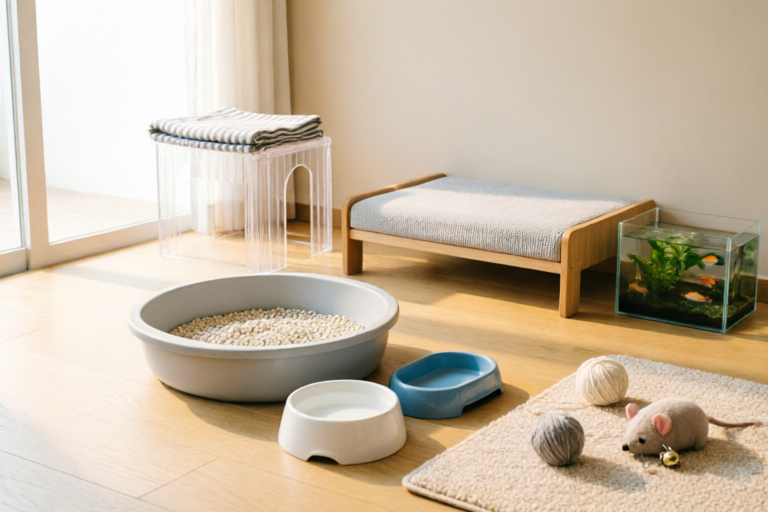
Size and Type of Litter Box Suitable for Kittens: For young kittens, it's important to choose a litter box that is not too deep or large. A shallow box with low sides allows easy access for small paws. Consider a covered litter box for older kittens who prefer privacy.
Ideal Placement for the Litter Box: Place the litter box in a quiet area of your home where your kitten feels safe and comfortable. Avoid placing it near high traffic areas or noisy appliances like washing machines.
Factors to Consider When Selecting Litter Material: Opt for unscented, dust-free litter that is gentle on your kitten's sensitive nose. Clumping litter is popular among cat owners because it's easy to scoop and keeps the box cleaner longer.
3. Establishing a Consistent Routine
Timing and Frequency of Bathroom Breaks: Kittens need frequent bathroom breaks, especially after meals and naps. Take your kitten to the litter box every 2-3 hours during the day, gradually increasing the intervals as they grow older.
Positive Reinforcement Techniques: Reward your kitten with treats and praise when they use the litter box correctly. This positive reinforcement helps reinforce the desired behavior.
Signs That Your Kitten Is Ready for Training: Look for signs that your kitten is aware of the litter box, such as sniffing or scratching near it. Start training when your kitten shows interest in using the box.
4. Teaching Your Kitten to Use the Litter Box
\nIntroducing the Litter Box to Your Kitten: Place your kitten in the litter box after meals, naps, and playtime. Gently scratch the litter with your finger to encourage digging. If your kitten starts to eliminate, praise them and offer a treat.
Encouraging Proper Usage Through Patience and Consistency: Be patient and consistent in your training efforts. Some kittens may take longer to learn than others. Stay calm and continue to encourage proper usage.
Addressing Accidents and Mistakes: If your kitten has an accident, gently pick them up and place them in the litter box. Do not punish them, as this can create fear and make training more difficult.
5. Troubleshooting Common Issues
Dealing with Resistance or Refusal to Use the Litter Box: If your kitten resists using the litter box, try switching to a different type of litter or moving the box to a quieter location. Ensure the litter box is clean and free of strong odors.
Managing Inappropriate Elimination Outside the Box: If your kitten eliminates outside the box, check for any underlying health issues. Consult with your veterinarian to rule out medical causes. Increase the number of litter boxes in your home if you have multiple cats.
Seeking Professional Help if Necessary: If you're struggling to train your kitten, consider seeking advice from a professional animal trainer or behaviorist. They can provide personalized guidance tailored to your specific situation.
6. Conclusion and Maintenance of Good Habits
Reinforcing Good Behavior: Continue to reward your kitten with treats and praise whenever they use the litter box correctly. This reinforces the positive behavior and encourages continued success.
Monitoring Progress and Adjusting Strategies as Needed: Keep an eye on your kitten's progress and adjust your training methods as necessary. Every kitten is different, so be flexible and willing to adapt your approach.
Long-Term Maintenance Tips for a Consistently Trained Kitten: Once your kitten is fully trained, maintain their good habits by keeping the litter box clean and providing a consistent routine. Regularly check for any signs of discomfort or changes in behavior that might indicate a health issue.
Comments

Love the advice on placement of the litter box. My kitten seems more comfortable now.

I followed the steps but my kitten still isn't getting it. Should I try a different type of litter?

Thanks for the troubleshooting section. It was super helpful in getting my kitten to stop peeing on the floor.

The routine helped a lot! My kitten is almost fully trained. Just wondering if I need to keep up the same schedule forever?

Great tips! My kitten is still resisting using the litter box. Should I be concerned?
My kitten keeps having accidents outside the box. Any advice on how to deal with this?

I tried the positive reinforcement with my kitten and it really worked! She now uses the litter box without any issues. Thanks for the tip on choosing the right size litter box too!