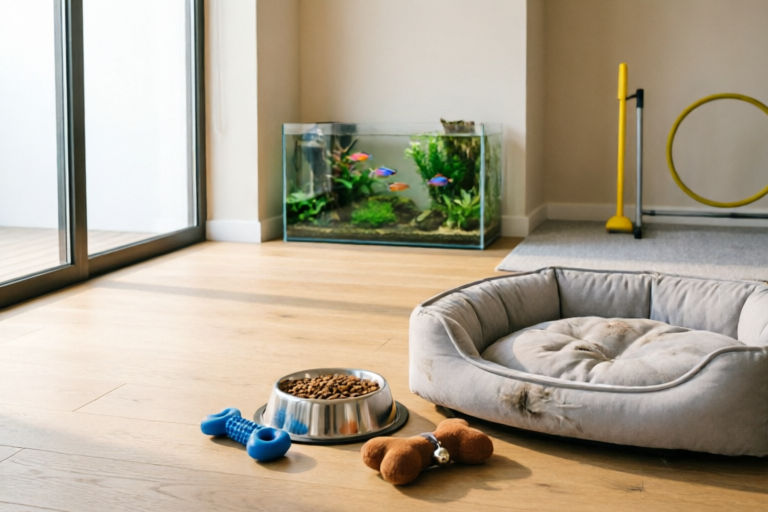
Top 5 Tips for Effective Dog Training at Home
Train Your Dog Effectively at Home
Introduction
Dog training is an essential aspect of responsible pet ownership. Not only does it help ensure your dog's safety, but it also strengthens the bond between you and your furry companion. Home-based training offers numerous advantages, including flexibility, convenience, and the ability to tailor the training to your dog's specific needs. In this article, we'll explore five top tips for effective dog training at home.
1. Establish a Routine
The Benefits of Having a Structured Schedule for Your Dog
One of the most important aspects of dog training is establishing a consistent routine. Dogs thrive on predictability, and a structured schedule can help reduce anxiety and improve behavior. A regular routine also makes it easier to incorporate training sessions into your daily life.
How to Create a Consistent Daily Routine That Includes Training Sessions
To create a successful routine, start by setting a fixed time for meals, walks, and playtime. Incorporate short training sessions into these activities to make learning fun and engaging for your dog. For example, you can practice commands during mealtime or before going for a walk. Remember to keep training sessions brief—dogs have shorter attention spans, so frequent, short sessions are more effective than long, drawn-out ones.
2. Use Positive Reinforcement
Explanation of Positive Reinforcement Techniques
Positive reinforcement is one of the most effective methods for training dogs. It involves rewarding desirable behaviors rather than punishing unwanted ones. This approach not only encourages good behavior but also strengthens the bond between you and your dog. Common rewards include treats, praise, and toys.
Examples of How to Use Treats, Praise, and Toys Effectively in Training
When using treats as a reward, choose small, soft treats that won't disrupt digestion. Offer the treat immediately after your dog performs the desired behavior to reinforce the connection between the action and the reward. Verbal praise and physical affection, such as petting or patting, can also serve as powerful motivators. Additionally, interactive toys can be used to reward your dog for completing a task or following a command.
3. Set Clear Commands and Consistency
The Importance of Clear and Concise Commands
Clear and concise commands are crucial for effective communication with your dog. Avoid using vague or overly complex instructions, as they can confuse your dog and hinder the training process. Instead, use simple, consistent commands for each behavior. For example, use "sit" consistently when asking your dog to sit down.
Tips on Maintaining Consistency Across All Family Members Involved in Training
Consistency is key when it comes to dog training. All family members who interact with the dog should use the same commands and follow the same training methods. This ensures that your dog doesn't become confused by mixed signals. If multiple people are involved in the training process, consider holding a quick meeting to discuss and agree on the commands and techniques to be used.
4. Start with Basic Commands
Overview of Essential Commands Every Dog Should Know
Teaching your dog basic commands is the foundation of effective training. These commands not only enhance your dog's obedience but also promote safety and control. Some essential commands include:
- Sit: This command teaches your dog to assume a seated position upon request.
- Stay: This command instructs your dog to remain in place until given permission to move.
- Come: This command ensures your dog returns to you when called.
- Down: This command teaches your dog to lie down on command.
- Heel: This command helps your dog walk beside you without pulling on the leash.
Step-by-Step Guide on Teaching Basic Commands Like Sit, Stay, and Come
Training your dog to obey basic commands requires patience and repetition. Here's a step-by-step guide to teaching the "sit," "stay," and "come" commands:
- Teach "Sit": Hold a treat close to your dog's nose, then slowly raise your hand above its head. As your dog looks up, its bottom should naturally lower into a sitting position. Once it sits, give the command "sit" and reward your dog with the treat and verbal praise.
- Teach "Stay": Begin with your dog in a sitting position. Say "stay" and take a few steps back. If your dog remains in place, return to it and offer a reward. Gradually increase the distance and duration of the stay as your dog becomes more proficient.
- Teach "Come": Start in a quiet, distraction-free environment. Call your dog's name followed by the command "come." When your dog approaches, reward it with treats and praise. Practice this command in different locations and with increasing levels of distraction to ensure reliability.
5. Be Patient and Persistent
Understanding That Training Takes Time and Patience
Dog training is a gradual process that requires time, patience, and persistence. Every dog learns at its own pace, and some may take longer to master certain commands than others. It's important to remain patient and avoid becoming frustrated during the training process.
Strategies for Staying Motivated and Persistent During the Training Process
To stay motivated and persistent, set realistic goals and celebrate small victories along the way. Break down larger goals into smaller, achievable steps. For example, if your goal is to teach your dog to "stay" for 30 seconds, start by aiming for 5 seconds and gradually increase the duration as your dog improves. Additionally, seek support from other dog owners or join a training group to share experiences and tips.
Conclusion
In conclusion, effective dog training at home requires establishing a routine, using positive reinforcement, setting clear commands, starting with basic commands, and being patient and persistent. By following these tips, you can build a strong bond with your dog and ensure its safety and well-being. Remember, training is a journey, and with dedication and consistency, you and your dog will succeed. So, why wait? Start training your dog today and enjoy the many benefits of a well-trained, obedient pet.
Comments

Starting with basics was a game changer. My dog learned 'sit' and 'come' in no time. Now onto more advanced stuff!

Love these tips! I'm curious, how do you handle setbacks when training goes wrong?

Patient and persistent, yeah. It's so true. Took us months but now my dog listens better than ever!

Consistency is key! We've had some progress but sometimes it's hard to get everyone in the family to use the same commands. Any hacks for that?
I totally agree about starting with basic commands. My dog knows 'sit' and 'stay' but he still tries to run off when we're outside. Any advice for teaching him to come back?

We've been working on establishing a routine but our dog still gets distracted easily. Anyone else struggle with this?
Really helpful! I started using positive reinforcement with my puppy and it's amazing how quickly she responds to treats now. Any tips on transitioning from treats to just verbal praise?