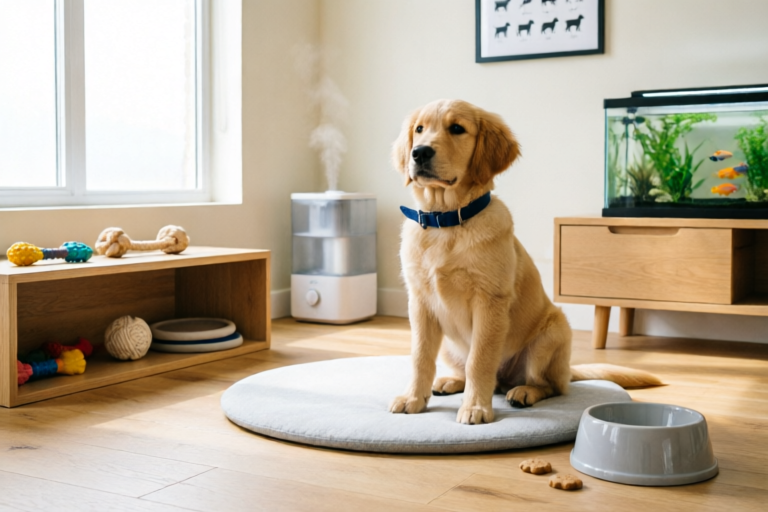
How to Train Your Puppy to Follow Basic Commands
Train Your Puppy with Confidence
Introduction to Puppy Training
Importance of Early Training for Puppies
Training your puppy from an early age is crucial for their development. It helps them understand boundaries, socialize better, and become well-behaved adult dogs. Early training also strengthens the bond between you and your puppy.
Benefits of Teaching Basic Commands
Teaching basic commands such as 'sit', 'stay', and 'come' can make your life easier and ensure your puppy's safety. These commands are essential for controlling your dog in various situations and ensuring they behave appropriately around other people and animals.
Overview of the Training Process
The training process involves establishing routines, using positive reinforcement, and gradually increasing the difficulty of commands. With patience and consistency, your puppy will learn to follow these basic commands reliably.
Establishing a Routine and Building Trust
Creating a Consistent Daily Schedule
Puppies thrive on routine. Establishing a consistent daily schedule for feeding, playtime, and potty breaks helps your puppy feel secure and know what to expect. This predictability is key to building trust and setting the foundation for effective training.
Using Positive Reinforcement Techniques
Positive reinforcement is the most effective way to train your puppy. Reward your puppy with treats, praise, or toys when they obey commands. This creates a positive association with the behavior and encourages them to repeat it.
Building a Strong Bond with Your Puppy
Spend quality time with your puppy to build a strong bond. Play, exercise, and engage in activities that both of you enjoy. A strong bond will make training sessions more enjoyable and effective.
Teaching the 'Sit' Command
Step-by-Step Guide on How to Teach 'Sit'
To teach your puppy to sit, hold a treat close to their nose and slowly move it up and back over their head. As your puppy follows the treat, their bottom should naturally lower to the ground. Once they sit, say 'sit' and reward them immediately. Repeat this process several times a day until your puppy understands the command.
Tips for Successful Training Sessions
Keep training sessions short (5-10 minutes) and frequent. Use high-value treats that your puppy loves. Be patient and consistent, and always end on a positive note.
Common Mistakes to Avoid
Avoid pulling your puppy's collar to force them into a sitting position. This can be uncomfortable and may discourage them from learning. Also, don't forget to praise and reward your puppy even if they don't get it right away.
Introducing the 'Stay' Command
Techniques for Teaching 'Stay' Effectively
To teach your puppy to stay, start by having them sit or lie down. Hold your hand out in front of them, palm facing them, and say 'stay'. Take a few steps back, then return to your puppy and reward them if they stayed in place. Gradually increase the distance and duration as your puppy becomes more confident.
Gradual Increase in Duration and Distractions
Once your puppy has mastered staying for short periods, introduce distractions like moving objects or other people. Start with low-level distractions and gradually increase the challenge. This will help your puppy learn to stay calm and focused even in busy environments.
Troubleshooting Common Issues
If your puppy gets up before you release them, gently guide them back into position and try again. Be patient and keep practicing. If your puppy becomes overly excited, take a break and try again later.
Learning the 'Come' Command
Importance of Recall Training
Teaching your puppy to come when called is one of the most important commands. It ensures their safety in potentially dangerous situations, such as traffic or off-leash areas. A reliable 'come' command can save your puppy's life.
Methods for Teaching 'Come' Reliably
Start by calling your puppy's name followed by 'come'. When they approach, reward them with treats, praise, and affection. Practice in a distraction-free environment at first, then gradually introduce more challenging settings. Always end on a positive note to reinforce the behavior.
Ensuring Safety During Training
Never call your puppy to come if you're going to scold or punish them. This can create a negative association with the command. Instead, use the 'come' command to bring your puppy to safety or for fun activities. Always reward them for coming when called.
Reinforcing Good Behavior and Consistency
The Role of Consistency in Training
Consistency is key to successful puppy training. Everyone in the household should use the same commands and rewards. Inconsistent training can confuse your puppy and slow down the learning process.
Rewarding Good Behavior Consistently
Be generous with rewards when your puppy behaves well. Use treats, praise, and affection to reinforce good behavior. Over time, you can reduce the frequency of rewards but continue to praise and encourage your puppy.
Avoiding Confusion Through Clear Communication
Use clear and concise commands. Avoid using different words for the same command, as this can confuse your puppy. For example, stick to 'sit' rather than using 'sit down' or 'sit please'. Be consistent in your tone and body language to help your puppy understand your expectations.
Conclusion: Patience and Persistence
Recap of Key Points Covered
In this article, we've covered the importance of early training, establishing routines, and using positive reinforcement. We've also explored step-by-step guides for teaching basic commands like 'sit', 'stay', and 'come'. Remember that consistency, patience, and persistence are essential for successful training.
Encouragement for Continued Practice
Training your puppy takes time and effort, but the results are worth it. Continue practicing these commands regularly and stay patient. Celebrate small victories and keep working towards a well-trained, happy puppy.
Resources for Further Learning
If you need more guidance, consider consulting a professional dog trainer or joining a local obedience class. There are also many online resources, books, and videos available to help you along the way. Stay committed to your puppy's training, and you'll both reap the rewards.
Comments

Great tips! My puppy is now following basic commands. Thanks for the encouragement!

I'm struggling with the 'come' command. He just runs away when I call. Any help?

Consistency is key! We reward him every time he does well. It's paying off!

We've been working on 'stay' but it's tough when there are other dogs around. Any solutions?

My dog learned 'come' much faster than 'sit'. Must be his personality. Does anyone else find that?
Building a routine helped a lot with my puppy's training. But sometimes he gets distracted easily. Any advice?

I tried the 'sit' command with my puppy and it worked after a few days! Positive reinforcement really makes a difference. Any tips for the 'stay' command?