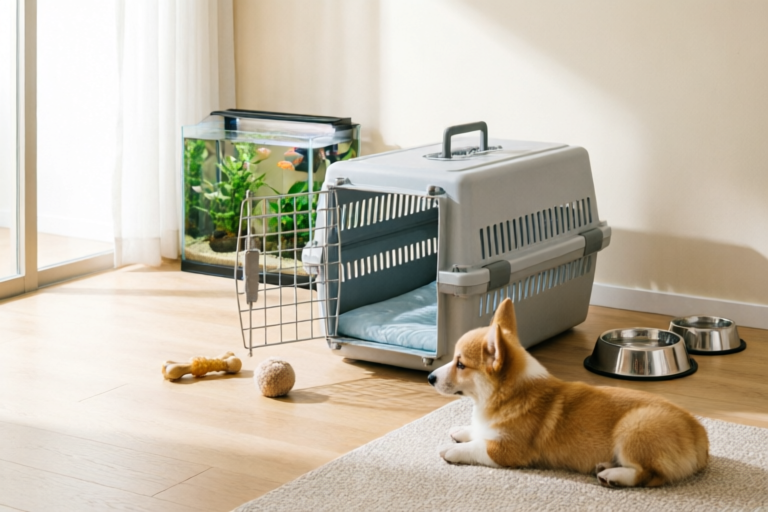
Why Crate Training is Essential for Puppies
Crate Training: A Safe and Effective Tool for Puppy Development
Introduction to Crate Training
Definition of crate training and its purpose: Crate training involves teaching your puppy to use a crate as a safe, comfortable space. It serves multiple purposes, including providing a secure area for the puppy, aiding in housebreaking, and reducing anxiety during travel or vet visits.
Common misconceptions about crate training: Many people believe that crate training is cruel or that it restricts the puppy’s freedom. However, when done correctly, crate training can be a positive experience for both the owner and the puppy.
Overview of why crate training is beneficial for puppies: Crate training offers numerous benefits, including providing a safe space, aiding in housebreaking, reducing anxiety, and encouraging independent play and rest time.
Benefits of Crate Training for Puppies
Provides a safe space for the puppy: A crate offers a secure and familiar environment where the puppy can feel safe and protected. This can be especially comforting during times of stress or when the puppy is left alone.
Helps with housebreaking and potty training: Puppies are less likely to soil their crates, which encourages them to hold their bladder until they are taken outside. This accelerates the potty training process.
Reduces anxiety during travel or vet visits: Crates provide a sense of security for puppies during car rides, trips to the vet, or other stressful situations.
Encourages independent play and rest time: Crate training helps puppies develop the ability to self-soothe and engage in independent play, promoting mental and emotional well-being.
How to Introduce a Crate to Your Puppy
Selecting the right size and type of crate: Choose a crate that allows the puppy to stand up, turn around, and lie down comfortably. There are various types of crates available, such as wire crates, plastic crates, and fabric crates. Consider the puppy's size and preferences when making your selection.
Gradual introduction methods for positive association: Introduce the crate gradually by placing treats inside or near the crate. Allow the puppy to explore the crate at their own pace, without forcing them inside. Once the puppy feels comfortable, encourage them to enter the crate using positive reinforcement.
Tips for crate training success: Be patient, consistent, and positive throughout the training process. Use treats, praise, and toys to make the crate an inviting and enjoyable space for the puppy.
Best Practices for Crate Training
Scheduling appropriate crate times: Establish a routine for crate time, ensuring that the puppy has adequate opportunities for exercise, play, and bathroom breaks before and after being crated. Limit crate time to no more than 4 hours during the day and avoid overnight confinement until the puppy is fully trained.
Avoiding overuse and ensuring comfort: Overuse of the crate can lead to behavioral issues. Ensure the crate is comfortable, clean, and well-ventilated. Provide bedding, toys, and water if necessary.
Integrating crate training into daily routines: Incorporate crate training into your daily routine by using the crate for short periods during the day, gradually increasing the duration as the puppy becomes more comfortable.
Addressing Common Challenges
Signs of distress and how to address them: If the puppy shows signs of distress, such as excessive barking, whining, or pacing, check the crate for comfort and ensure the puppy has had sufficient exercise and bathroom breaks. Offer reassurance and comfort, but avoid reinforcing negative behaviors.
Troubleshooting crate refusal or inappropriate behavior: If the puppy refuses to enter the crate or exhibits inappropriate behavior, try adjusting the training approach. Increase positive reinforcement, offer treats, and gradually increase the duration of crate time. Be patient and persistent.
Ensuring crate safety and hygiene: Regularly clean the crate to maintain hygiene and prevent odors. Check the crate for any potential hazards, such as sharp edges or loose parts. Ensure the crate is securely fastened and stored in a safe location.
Conclusion: The Long-Term Benefits of Crate Training
Crate training as a lifelong tool for pets: Crate training is not just for puppies; it can be a valuable tool for pets throughout their lives. It provides a secure space for travel, boarding, and times when the owner is unavailable.
Final thoughts on crate training's importance: Crate training is an essential part of responsible pet ownership. It promotes the physical and emotional well-being of the puppy and strengthens the bond between the owner and the pet.
Encouraging responsible pet ownership through proper training techniques: By implementing proper crate training techniques, owners can ensure the long-term happiness and health of their puppies. Crate training fosters independence, reduces anxiety, and creates a safe and comfortable living environment for the pet.
Comments

We had some issues with our pup refusing the crate at first. Any more tips?

Housebreaking was a nightmare until we started crate training. Game changer!

I used scheduling for crate times and it really helped. My pup knows when it's playtime or rest time now.

Does crate training work for older dogs too? My 2-year-old is still having accidents.

Our puppy was super anxious in the car, but after some crate training, he's much calmer now. Thanks!
Great tips! How long should I keep the crate door open when introducing it?
I tried the gradual introduction method and my pup is starting to love his crate! It really helped with potty training too.