Pet Training
How to teach your dog basic commands easily at home today.
Train Smarter, Connect Stronger.
# How to Teach Your Dog Basic Commands Easily at Home Today
Training a dog is one of the most rewarding experiences an owner can have. It goes beyond simple obedience; it builds a language of communication between you and your pet, establishes boundaries, and ensures safety. Whether you have just brought a new puppy home or are adopting an older adult dog, the desire to teach fundamental commands like Sit, Stay, Come, and Down is universal. The good news is that you do not need professional help to achieve great results. With the right approach, patience, and consistency, you can successfully train your dog basic commands easily at home today.
This comprehensive guide is designed to walk you through every step of the process. We will explore how to prepare your environment, select the best incentives, learn the specific mechanics of key commands, troubleshoot common problems, and understand the mindset required for long-term success. By following these structured steps, you will create a harmonious relationship with your companion, grounded in mutual respect and clear understanding.
## 1. Establishing the Right Environment
Before you even attempt to ask your dog to sit, the foundation must be laid. The environment plays a crucial role in a dog's ability to learn and focus. Dogs are sensory creatures who are easily overwhelmed by their surroundings, especially when they are young or anxious. A chaotic environment can lead to frustration for both the handler and the dog, resulting in little progress.
### Creating a Distraction-Free Zone
The ideal location for initial training sessions is a quiet room inside your home. This could be a bedroom, a hallway, or a corner of your living room where the foot traffic is minimal. When starting out, avoid busy areas like the kitchen while cooking or the backyard with children playing nearby. The goal is to isolate the learning experience until your dog demonstrates mastery.
Turn off the television, close windows to dampen outside noises, and put away other pets. You want to be the most interesting thing in the room for the moment. Once your dog can reliably perform a command in this controlled setting, you can gradually introduce low-level distractions, such as someone walking by quietly or a toy placed in the corner. This progressive desensitization is key to building resilience against distractions later in life.
### Timing and Energy Levels
Timing is just as important as the physical space. Do not attempt training when your dog is exhausted after a long walk or hyperactive immediately after waking up. The sweet spot is usually when they are alert but calm. Many trainers recommend scheduling sessions before meals, as hunger increases motivation. However, ensure they are not starving; simply feeling a light appetite can boost their engagement with food rewards.
Furthermore, keep sessions short. Dogs have limited attention spans, particularly puppies. Aim for five to ten-minute sessions. It is better to end a session on a high note while your dog is still eager to play than to drag it out until they become bored or frustrated. Ending early leaves them wanting more, which sets up the next successful session.
### Safety and Equipment
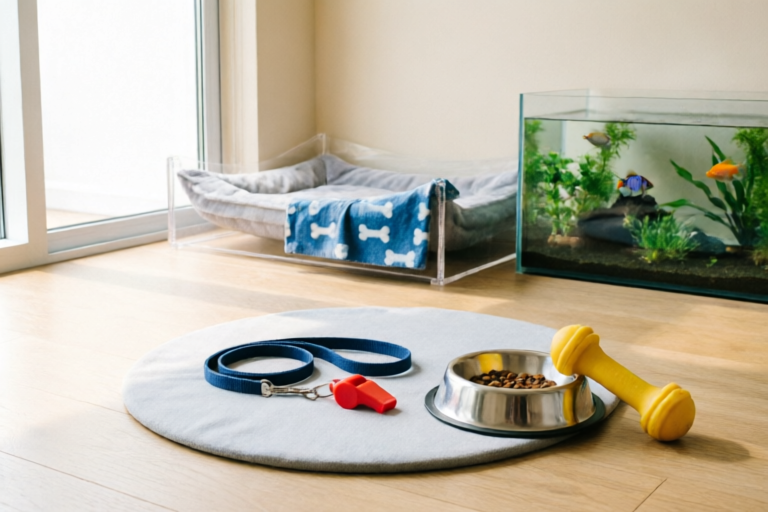
Ensure the area is physically safe. Remove any breakable objects like vases or electronics that could be knocked over during enthusiastic movements. If you are working with a dog prone to jumping or pulling, having a secure leash handy is wise. Having a mat or rug can also define the training space psychologically; when the dog steps onto the mat, it signals training time. Consistency in the setting helps the dog associate that space with focused learning.
## 2. Selecting High-Value Rewards
Positive reinforcement is the gold standard in modern dog training. It involves adding something desirable (a reward) immediately after a desired behavior occurs, increasing the likelihood that the behavior will happen again. Understanding what constitutes a high-value reward is essential for efficiency.
### Identifying What Motivates Your Dog
Not all dogs love the same things. While some dogs are food-motivated and will work for any kibble, others prefer toys or social interaction. You must discover what your specific dog finds most exciting. Is it a piece of cooked chicken? A squeaky ball? Or does it mean the world to them to get to chase a frisbee?
Conduct a quick test. Lay out different potential rewards near your dog. See which item causes their tail to wag furthest, their ears to perk up, or their eyes to widen. That is your primary reinforcer. For difficult commands or distracting environments, you may need to upgrade the "currency." If they ignore a dry treat in the yard, switch to a high-value treat like cheese, hot dog pieces, or liver paste. These smell stronger and taste richer, capturing attention faster.
### Managing Treat Portions
One common mistake is giving a dog half their daily calorie allowance in treats, leading to weight gain. This defeats the purpose of maintaining a healthy lifestyle. Instead, adjust their mealtime accordingly. Reduce the amount of regular food they receive that day and save those calories for training.
Alternatively, utilize "life rewards." In real-world scenarios, access to resources is a powerful motivator. Ask your dog to sit before putting their bowl down, before opening the front door, or before clipping on their leash. Here, the reward isn't a treat; it is the activity itself. This bridges the gap between formal training and practical application, reinforcing the idea that good manners yield access to good things.
### Timing and Delivery
The timing of the reward is critical. The bridge between the behavior and the reward must be seconds. Ideally, the click of a marker (if you use one) or the verbal praise happens within milliseconds of the action, followed immediately by the treat. If you wait five seconds, the dog might not connect the dots between the behavior and the prize. Carry your treats in a pouch attached to your waist rather than in your pocket, allowing for instant delivery without breaking your flow. Always pair the tangible reward with verbal praise like "Good boy!" or "Yes!" to build a conditioned positive emotional state associated with your voice.
## 3. Instructional Guide for Basic Commands
Now that the stage is set and the currency is established, we move to the core of the training: the commands themselves. These four commands—Sit, Stay, Come, and Down—form the backbone of canine obedience and safety.
### Command 1: Sit
The "Sit" command is usually the first taught because it is natural for dogs to pause before sitting down.
**Step-by-Step Tutorial:**
1. **Lure:** Hold a treat close to your dog's nose.
2. **Move:** Slowly move your hand up and back over their head. As their nose follows the treat, their bottom will naturally lower to the ground.
3. **Mark and Reward:** The moment their rear touches the floor, say "Yes" or click, then give the treat and praise.
4. **Add Cue:** Start saying "Sit" clearly just before moving your hand. Repeat until they associate the word with the motion.
5. **Fade the Lure:** Eventually, hold an empty hand making the same motion and reward from your other hand or treat jar only once completed.
**Variations:** Practice sitting while standing in different positions. Do not just face the dog; sometimes stand behind them or to the side to generalize the command.
### Command 2: Down
The "Down" command is often harder than Sit because it requires a dog to lower their entire body and often stay flat, which can be intimidating for some breeds. However, it calms them and prevents them from bolting.
**Step-by-Step Tutorial:**
1. **Start from Sit:** Have your dog Sit first. Hold a treat in a closed fist near their nose.
2. **Lure Down:** Slowly move your fist straight down towards the floor, then slightly forward along the ground in front of them. They will likely lie down to follow it.
3. **Mark and Reward:** As soon as elbows touch the ground, mark and reward heavily.
4. **Verbal Cue:** Begin using the word "Down" consistently before the movement.
5. **Hand Signal:** Add a distinct hand signal (palms facing down sweeping outward) to accompany the verbal cue. Dogs are visual learners and often respond well to gestures.
**Troubleshooting:** If the dog stands up instead of lying down, reset them. Ensure you aren't jerking the treat up. Keep your hand low. If they struggle, ask for a "Sit" again before trying "Down."
### Command 3: Stay
Stay requires impulse control. It means the dog understands that their current position must be maintained regardless of external movement, including yours.
**Step-by-Step Tutorial:**
1. **The Setup:** Have your dog Sit or Down. Stand directly in front of them. Show an open palm (Stop sign) and say "Stay."
2. **Short Duration:** Step back only one small step. Turn immediately and return to them. Reward heavily.
3. **Increase Distance:** Gradually increase the number of steps back. One step, two steps, three steps. Return to them every time before they break the stay, or they will learn they don't need to stay until you release them.
4. **Duration:** Once they can handle 5-10 feet away, incorporate time. Count slowly in your head. "One, two, three..." Release them with a release word like "Okay" or "Free."
5. **Distractions:** Have someone stand near you while you practice. Ask the dog to stay while someone walks by slowly.
**Crucial Tip:** Never punish a dog for breaking a stay once released. If they leave early, they broke the rules, but if you yell, they won't want to try again. Reset calmly and ask for it again with fewer demands.
### Command 4: Come (Recall)
Recall is arguably the most life-saving command. It is challenging because nature often encourages chasing scents or running free, conflicting with the recall command.
**Step-by-Step Tutorial:**
1. **Use a Long Line:** Attach a long leash (15-30 feet) to your dog outdoors. This allows freedom while preventing escape.
2. **Excitement:** Squat down, open your arms, and say "Come!" Use a happy, inviting tone. Run away from them playfully to trigger their instinct to chase.
3. **High Value:** When they arrive, mark and reward instantly. Do not call them to you to scold them. Ever. If they come and you scold them for being late or messy, they will remember coming equals punishment.
4. **Play Game:** Play games where they run out and you call them back for a tug toy or treat. Randomize the frequency so they are never sure when the recall will happen, keeping them engaged.
5. **Release:** After the recall is solid indoors, practice in fenced yards with low distractions. Only move to off-leash environments when reliability is near 100%.
## 4. Common Pitfalls and Solutions
Even with the best intentions, training hurdles arise. Recognizing these pitfalls early can save weeks of confusion and prevent negative associations with training. Understanding why things go wrong allows for proactive correction.
### Short Attention Spans
If your dog repeatedly fails to listen, consider the duration of your training blocks. Most adults can focus for 90 minutes, but dogs, especially puppies, operate in bursts. If you see yawning, turning away, or chewing your shoelaces, stop immediately. Pushing past this point teaches them that listening is boring or exhausting.
**Solution:** Break training into micro-sessions. Two minutes, five times a day, is far superior to twenty minutes once a week. Keep the energy high. Celebrate every small victory loudly and enthusiastically.
### Inconsistent Cues
Dogs do not understand human slang. Using "Down," "Get down," "Lie down," and "Take it easy" interchangeably confuses the animal. They require precise, consistent verbal markers. Similarly, family members should agree on the hand signals used. If one person waves for sit and another claps, the dog is unsure which action triggers the reward.
**Solution:** Pick one cue per command. Write it down. Share it with everyone in the household. Everyone must use the exact same sound and gesture every single time. Consistency creates clarity.
### Training Too Soon After Feeding
While training before meals works well for food drives, doing so with high-energy breeds immediately after eating can result in lethargy or digestive distress. Conversely, training a hungry dog can lead to resource guarding of the treat.
**Solution:** Monitor your dog's biological rhythm. Observe when they are naturally active. Mid-afternoon is often good for high energy, while morning might suit a puppy. Avoid vigorous mental exercise immediately after a large meal to prevent bloating, especially in deep-chested breeds.
### Unintentionally Reinforcing Bad Behavior
Sometimes owners accidentally reinforce what they are trying to teach away. If a dog jumps on you to get attention, and you push them away (even while yelling), you have provided attention. Negative attention is still attention.
**Solution:** Ignore unwanted behaviors whenever safe. Turn your back, fold your arms, and withhold eye contact. Only interact when the dog offers the polite behavior (like all four paws on the floor). Then reward the good behavior instantly. This teaches the dog that calmness pays off, while chaos gets ignored.
## 5. Conclusion: Consistency and Patience
Ultimately, teaching your dog basic commands is less about the commands themselves and more about the relationship you build in the process. It is a journey of communication that strengthens the bond between human and canine. There will be days when everything clicks seamlessly, and moments of confusion where nothing seems to work. Both phases are part of the normal learning curve.
Success is found in consistency and patience. Be consistent with your cues, your rules, and your rewards. Be patient with the setbacks and with yourself. Remember that dogs live in the moment and rely on you for guidance. When you invest time into understanding their world, responding with kindness and firm boundaries, you are laying the groundwork for a lifetime of companionship. Start today, stay committed, and enjoy the transformation in your pet's behavior and your shared connection. With these tools, you are equipped to create a well-behaved, happy, and obedient companion right from the comfort of your own home.
Comments

FetchFrenzy
Tried this yesterday. Halfway through he chased a squirrel lol. Gotta find that perfect spot.
👍 17👎 0

RescueRover
My rescue pup was tricky at first but this helped build trust. Not just obedience stuff ❤️
👍 18👎 0

CuriousK9
Great read. Question though - how many minutes per session? I feel like I'm dragging it out.
👍 12👎 0

ObedienceOllie
Spent like 3 days nailing the down command but worth it. Now he hits the floor instantly.
👍 18👎 0

TreatTaco
Used chicken chunks instead of biscuits and wow he moved faster. Definitely high value rewards!
👍 3👎 0

PupMom_88
Does anyone else's dog just ignore you if there's a doorbell sound nearby? Mine freezes up every time 😭
👍 8👎 0

HoundDogDan
Finally got my lab to sit without yanking on the leash! The quiet room tip made a huge difference.
👍 19👎 0