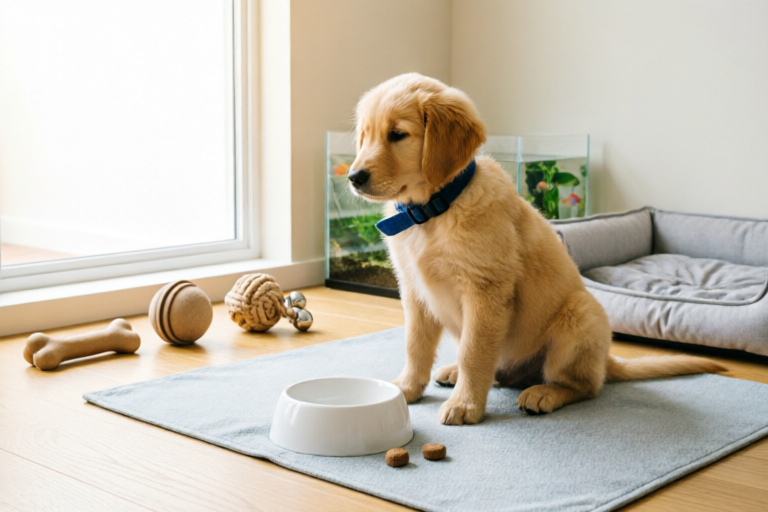
How to Train Your Puppy with Positive Reinforcement
Train Your Puppy with Love and Patience
Introduction
Positive reinforcement is a powerful tool in puppy training that can help you build a strong bond with your pet while teaching them good behavior. This method focuses on rewarding desired actions rather than punishing unwanted ones. By using rewards-based training methods, you can encourage your puppy to repeat desirable behaviors, making learning enjoyable for both you and your furry friend.
Understanding Positive Reinforcement
Definition and Principles
Positive reinforcement involves adding something pleasant (such as a treat or praise) after a behavior occurs, which increases the likelihood of that behavior happening again in the future. It contrasts with punishment-based training, where undesirable outcomes are used to discourage certain behaviors.
The Science Behind Positive Reinforcement
The effectiveness of positive reinforcement lies in its ability to tap into natural learning processes. When a puppy receives a reward immediately following a specific action, they associate the behavior with something positive, reinforcing the connection between the two. Over time, this association strengthens, leading to more consistent and reliable responses from your puppy.
Setting Up a Reward System
Choosing the Right Treats and Rewards
Select high-value treats that your puppy finds irresistible but aren't too large to avoid overfeeding. Small, soft treats work best because they're easy to consume quickly, allowing for timely reinforcement. Additionally, consider non-food rewards like affectionate pats or playtime if your puppy responds well to these forms of attention.
Timing and Consistency
Timing is crucial when delivering rewards; aim to give the treat or praise within seconds of the desired behavior occurring. Consistency ensures that your puppy understands what actions earn rewards, so always use the same cue word or gesture for each command.
Avoiding Common Mistakes
Be mindful not to inadvertently reinforce unwanted behaviors by rewarding them accidentally. Also, avoid over-relying on treats—gradually introduce verbal praise and other forms of reinforcement to create a balanced approach.
Basic Commands for Your Puppy
Teaching "Sit", "Stay", and "Come" Commands
Start with simple commands like "sit" by holding a treat above your puppy's head and guiding their nose upwards until they sit. Once they do, immediately reward them. For "stay," use a hand signal or verbal cue and gradually increase the duration before releasing them. To teach "come," call your puppy's name followed by the command, rewarding them upon arrival.
Step-by-Step Guide
- Choose an environment free from distractions initially.
- Use clear, concise cues.
- Practice short training sessions multiple times per day.
Tips for Handling Distractions
Introduce distractions gradually once your puppy has mastered commands in a controlled setting. Start with mild distractions and increase complexity as your puppy becomes more proficient.
Managing Problem Behaviors
Identifying and Addressing Common Issues
Puppies often exhibit behaviors such as chewing, excessive barking, or jumping up. Instead of punishing these actions, identify the root cause and redirect the energy into acceptable outlets. For instance, provide appropriate chew toys for teething puppies.
Techniques for Redirecting Unwanted Behaviors
Show your puppy what appropriate behavior looks like by demonstrating desired actions and rewarding them when they mimic you. For example, if your puppy jumps on guests, gently lower them to the ground and reward calm interactions.
Using Positive Reinforcement to Teach Appropriate Behavior
Consistently reward your puppy whenever they display the correct behavior, helping them understand what you expect. Gradually phase out rewards as the behavior becomes habitual.
Socializing Your Puppy
The Importance of Early Socialization
Early socialization helps puppies become comfortable around different people, animals, and environments. Expose your puppy to various stimuli in a controlled manner to ensure positive experiences.
Introducing Your Puppy to New Environments and People
Begin with short visits to familiar places and gradually introduce more diverse settings. Always supervise interactions and ensure all encounters are positive.
Making Socialization a Positive Experience
Pair socialization activities with rewards to create enjoyable associations. Celebrate small successes and maintain a calm demeanor throughout the process.
Maintaining Training Progress
Reviewing and Reinforcing Learned Behaviors
Regularly review previously taught commands to keep skills sharp. Incorporate new challenges and scenarios to enhance adaptability.
Adjusting Training Strategies as Your Puppy Grows
As your puppy matures, adjust training methods to accommodate changing needs. For instance, shift focus from basic obedience to more advanced commands or tricks.
Tips for Lifelong Positive Reinforcement Training
Continue using positive reinforcement throughout your puppy’s life. Keep training sessions fun and engaging to foster a lifelong bond based on mutual respect and understanding.
Conclusion
By incorporating positive reinforcement into your puppy training routine, you can establish a foundation of trust and communication. Remember to remain consistent and patient, celebrating every small success along the way. Embrace the journey of raising a well-behaved, happy puppy through the power of love and positive reinforcement.
Comments

I've noticed my puppy gets distracted easily. Any tricks for keeping his focus during training?

Thanks for this! I'm struggling with potty training. Any advice on keeping it positive?

Love the socialization tips! My puppy's already meeting new friends at the park. Is there a way to make training sessions more fun for both of us?

Positive reinforcement really seems to be helping my city-dwelling dog adjust to all the noise. But how do I train him to ignore passing cyclists?

We tried the chew toy redirection for our teething puppy, but he still prefers my shoes. Any advice for making toys more appealing?

Great article! My golden retriever mix is learning 'come' faster than expected. Is there a trick to teaching them not to pull on the leash?

I've been using the sit command training with my pup for a week now, and it's working like a charm! I just wish he'd stop barking at the mailman though. Any tips for that?