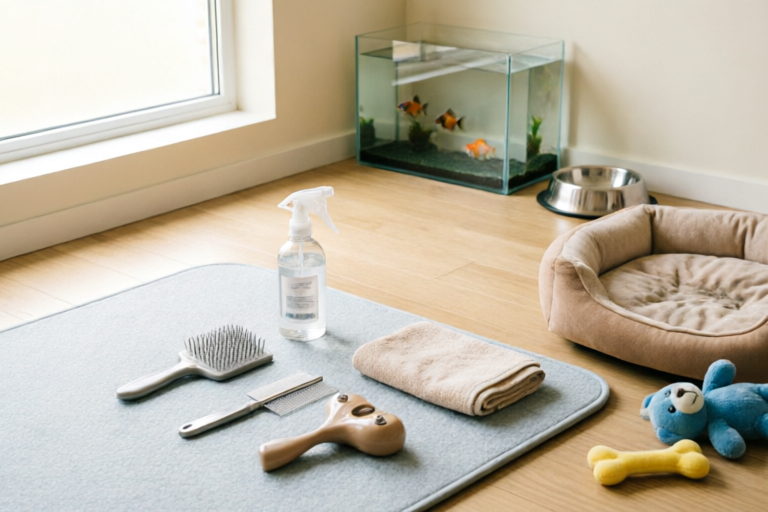
How to Properly Groom Your Dog at Home: A Step-by-Step Guide
Grooming Made Easy: Keep Your Pet Healthy and Happy
Introduction to Dog Grooming
Importance of Regular Grooming for Your Dog's Health and Hygiene
Grooming is more than just keeping your dog looking good; it plays a crucial role in maintaining their overall health. Regular brushing helps remove dead hair and dander, preventing skin irritations and allergies. Additionally, proper grooming can catch early signs of health issues such as parasites, infections, or unusual lumps.
Overview of the Benefits of Grooming Your Dog at Home
Grooming your dog at home can save you money compared to frequent visits to professional groomers. It also allows you to bond with your pet and ensures they become accustomed to being handled, which can be beneficial if they need medical attention later. Moreover, knowing how to groom your dog yourself gives you greater control over the products used and the frequency of grooming.
Essential Tools and Supplies for Dog Grooming
List of Necessary Grooming Tools
- Brushes: Choose the right brush depending on your dog’s coat type. For example, slicker brushes are great for removing tangles, while bristle brushes help distribute natural oils.
- Combs: Fine-toothed combs are useful for removing mats, while wide-toothed combs can help detangle longer coats.
- Scissors: Invest in quality grooming scissors designed for pets. Always use them carefully to avoid injury.
Recommended Shampoos and Conditioners for Different Coat Types
Selecting the right shampoo and conditioner is essential for keeping your dog's coat healthy. Sensitive skin formulas are ideal for dogs prone to allergies, while medicated shampoos can help manage conditions like dandruff or fungal infections. For oily coats, consider using a clarifying shampoo, and for dry coats, opt for moisturizing formulas.
Other Useful Accessories
- Towels: Have plenty of soft towels on hand to dry your dog thoroughly after bathing.
- Grooming Table: A sturdy table can make the grooming process easier and safer for both you and your pet.
Pre-Grooming Preparation
Preparing Your Dog for Grooming
Before you start grooming, it's important to prepare your dog. This includes trimming their nails, cleaning their ears, and checking for any signs of discomfort. Use nail clippers specifically designed for dogs and be cautious not to cut too close to the quick. For ear cleaning, use a gentle ear cleaner and cotton balls to wipe away debris.
Tips for Calming an Anxious or Fidgety Dog
If your dog becomes anxious during grooming, try using treats and positive reinforcement to keep them calm. You can also create a soothing environment by playing soft music or using calming pheromone sprays. Practice short sessions to build trust and gradually increase the duration as your dog becomes more comfortable.
Ensuring Safety During the Grooming Process
Safety should always be a priority when grooming your dog. Make sure all tools are sharp but not dangerous, and keep them out of reach of your pet. Be gentle when handling sensitive areas, and never force your dog into uncomfortable positions. If your dog shows signs of distress, stop immediately and reassess the situation.
Step-by-Step Grooming Process
Brushing and Combing Your Dog's Coat
Begin by thoroughly brushing and combing your dog’s coat to remove any tangles or mats. Start from the top of the head and work your way down to the tail. Pay special attention to areas where mats tend to form, such as behind the ears or under the legs. For long-haired breeds, consider using a dematting tool to gently loosen knots without causing pain.
Bathing Techniques and Tips for Effective Shampoo Application
When bathing your dog, use lukewarm water and a mild dog shampoo. Wet your dog completely, starting from the neck and working your way down. Avoid getting water in their eyes, ears, and nose. Apply shampoo gently, focusing on areas with more odor or dirt. Rinse thoroughly to prevent residue buildup.
Trimming Fur Around Sensitive Areas
After bathing, carefully trim the fur around sensitive areas like the paws, face, and groin. Use blunt-nosed scissors and proceed slowly to avoid cutting the skin. For facial grooming, use small scissors or electric trimmers designed for delicate areas.
Drying Your Dog Properly After the Bath
Thorough drying is essential to prevent skin irritation and promote faster healing of any cuts or scrapes. Use a towel to blot excess water, then use a blow dryer on a low setting. Ensure the dryer is at least 12 inches away from your dog’s skin to avoid burns. If your dog has a thick coat, consider using a slicker brush to help distribute moisture evenly.
Maintaining Your Dog's Grooming Routine
Frequency of Grooming Based on Breed and Coat Type
The frequency of grooming depends on your dog’s breed and coat type. Short-haired breeds may only require weekly brushing, while long-haired breeds might need daily attention. Dogs with curly or wiry coats may benefit from professional grooming every few months. Consult with your veterinarian or a professional groomer to determine the best schedule for your specific breed.
Common Grooming Mistakes to Avoid
Avoid over-bathing your dog, as this can strip their skin of natural oils and lead to dryness or irritation. Also, be careful not to use human shampoos, which can be too harsh for your dog’s sensitive skin. Finally, always check for ticks and fleas during grooming sessions and treat any infestations promptly.
Signs That Professional Grooming May Be Needed
If your dog has severe matting, skin conditions, or behavioral issues during grooming, it may be time to consult a professional. Professional groomers have specialized equipment and experience dealing with challenging situations, ensuring your dog remains comfortable and well-groomed.
Conclusion and Final Thoughts
Recap of Key Points Covered in the Guide
In this guide, we’ve explored the importance of regular grooming, discussed essential tools and supplies, outlined pre-grooming preparation steps, provided a step-by-step grooming process, and offered tips for maintaining a consistent routine. By following these guidelines, you can ensure your dog remains healthy, comfortable, and well-groomed.
Encouragement for Pet Owners to Establish a Consistent Grooming Routine
Grooming your dog at home is a rewarding activity that strengthens your bond and promotes their overall well-being. With practice and patience, you’ll become more confident in your abilities and enjoy the process even more. Remember, consistency is key to maintaining a healthy and happy pet.
Additional Resources for Further Learning About Dog Care
To learn more about dog care, consider visiting reputable websites, reading books on canine behavior and health, or joining online forums where experienced pet owners share their knowledge. Don’t hesitate to consult with professionals like veterinarians or certified groomers for personalized advice tailored to your dog’s specific needs.
Comments

After reading this, I realized I've been skipping some important steps. Time to get serious about my grooming routine.

My dog hates baths. Any tricks to make bath time more enjoyable for both of us?

I didn't know I could groom my dog at home. This guide makes it seem doable. Can't wait to try it out!

This is great! I've been struggling with tangles in my dog's fur. The brushing tips really helped. Thanks!
I followed the step-by-step guide but my dog still seems uncomfortable. Any suggestions for making grooming less stressful?
My golden retriever has such a thick coat. Any tips on how often I should bathe him? I'm worried about overdoing it.

I tried trimming my dog's nails at home for the first time using the tips from this guide. It went better than expected! My dog was actually calm during the whole process. Thanks for the advice!