Beginner's Guide to Pet Grooming Basics
Grooming 101: Keep Your Pet Healthy and Happy
Beginner's Guide to Pet Grooming Basics
1. Introduction to Pet Grooming
Importance of grooming for pet health and hygiene: Regular grooming is crucial for maintaining your pet's overall health and well-being. It helps prevent skin issues, reduces shedding, and promotes a healthy coat. Grooming also strengthens the bond between you and your pet, making it a valuable part of their routine.
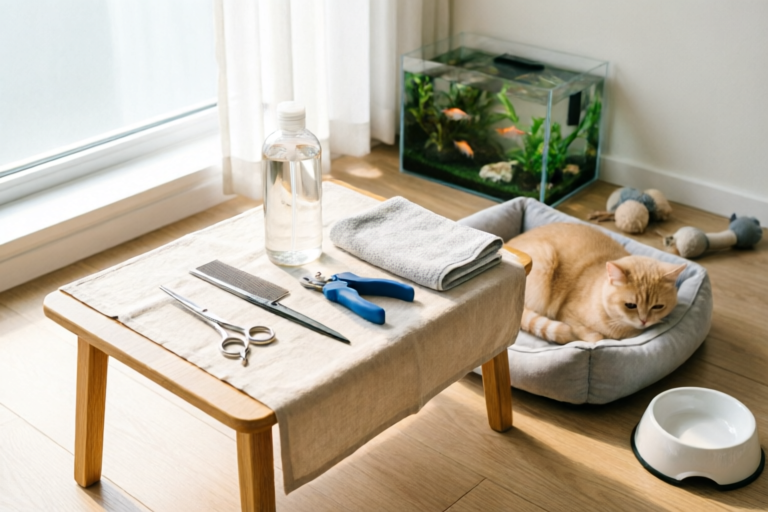
Common tools and supplies needed for basic grooming: To get started, you'll need some essential tools such as brushes (bristle, slicker, and comb), a nail clipper, scissors, and grooming wipes. Additionally, invest in pet-safe shampoos and conditioners suited to your pet's specific needs.
Overview of different pet grooming techniques: There are several techniques involved in pet grooming, including brushing, bathing, nail trimming, and ear care. Each technique requires specific tools and methods tailored to your pet's breed and coat type.
2. Basic Brushing Techniques
How to choose the right brush for your pet’s coat type: Different breeds have different coat types, so it's important to select the appropriate brush. For example, a bristle brush works well for short-haired dogs, while a slicker brush is better for long-haired breeds.
Step-by-step guide on brushing your pet’s fur: Begin by gently brushing against the grain to remove loose hair. Then, brush with the grain to smooth the coat. Pay special attention to areas where mats and tangles are likely to form.
Tips for dealing with shedding and knots: Regular brushing can help reduce shedding, but if knots do form, use a wide-toothed comb to carefully separate them. Be patient and gentle to avoid causing discomfort or pain.
3. Bathing Your Pet Properly
Selecting appropriate shampoos and conditioners for various skin types: Choose shampoos and conditioners based on your pet's skin type. For instance, hypoallergenic formulas are ideal for pets with sensitive skin, while medicated shampoos may be necessary for those with allergies or infections.
Detailed instructions on giving your pet a bath, including water temperature and drying methods: Use lukewarm water and lather your pet thoroughly. Rinse thoroughly to ensure no shampoo residue remains. Afterward, dry your pet using a towel or a low-heat hair dryer. Be cautious not to overheat the dryer, as this can cause discomfort.
Addressing common bathing challenges like scared pets or hard-to-reach areas: If your pet is anxious during baths, try using treats or calming aids. For hard-to-reach areas, consider using a soft cloth or a small brush to gently clean these spots.
4. Nail Trimming Made Easy
Identifying signs that your pet needs a nail trim: Look for signs such as difficulty walking or excessive scratching. Long nails can lead to discomfort and even injury.
Instructions on how to safely cut nails without causing injury: Trim only the tip of the nail, avoiding the quick (the blood vessel inside the nail). If you accidentally cut into the quick, apply styptic powder to stop bleeding.
Recommendations for calming nervous pets during the process: Create a calm environment by using treats and praise. You can also try desensitizing your pet to the nail clippers by allowing them to sniff and investigate the tool before trimming.
5. Ear Care for Happy Pets
Understanding ear anatomy and recognizing signs of infection: Familiarize yourself with the structure of your pet's ears and look out for signs of infection, such as redness, swelling, or discharge. Regular cleaning can help prevent these issues.
Methods for cleaning ears gently and effectively: Use a veterinarian-approved ear cleaner and cotton balls or gauze pads to wipe away dirt and debris. Avoid inserting anything into the ear canal, as this can cause damage.
Advice on preventing ear issues through regular maintenance: Clean your pet's ears regularly and check for any signs of irritation. Also, ensure your pet's ears are dry after swimming or bathing.
6. Summary: Maintaining Your Pet's Grooming Routine
Recap of key points discussed in the guide: We've covered the importance of grooming, the tools and techniques involved, and tips for addressing common challenges. By following these guidelines, you can maintain your pet's grooming routine effectively.
Encouragement for consistency in pet grooming practices: Consistency is key to ensuring your pet stays healthy and happy. Make grooming a regular part of your pet's routine, and don't hesitate to seek professional help if needed.
Resources for further learning about advanced grooming techniques: For more advanced grooming techniques, consider enrolling in a pet grooming course or consulting with a professional groomer. Additionally, online resources and forums can provide valuable insights and support.
Comments

Consistency is key! I've started a routine and already see improvements in my pet's coat.

Really helpful! I'm going to try the conditioner next time I bathe my dog. Has anyone used a specific brand they recommend?

Brushing my cat's fur has become so much easier. I love the step-by-step guide.

I followed the bathing steps, but my dog still seems scared. Any suggestions for soothing them?

Great tips on ear care! My pup had some buildup, and I was able to clean it easily. Thanks!
I tried the nail trimming tips but my cat is still super skittish. Any advice for making it less stressful?

This guide really helped! I've been struggling with my dog's shedding. Using the right brush made a huge difference. Anyone else have trouble with tangles?