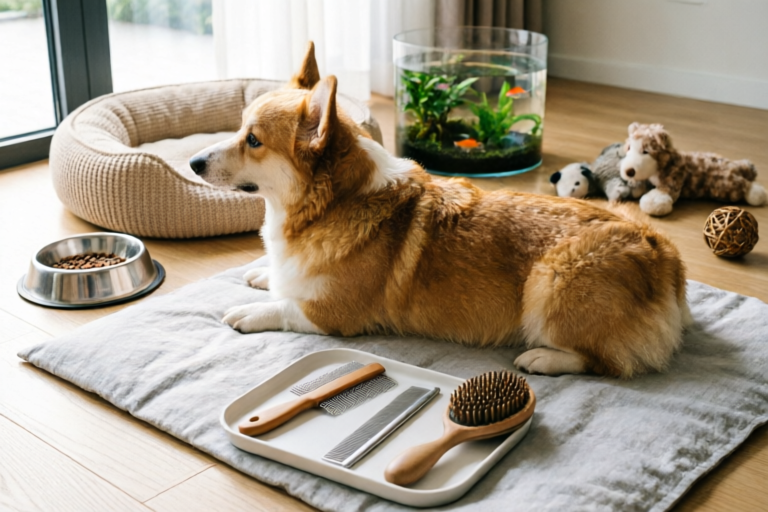
## How To Properly Brush Your Pet Coat Effectively At Home
Owning a pet is about so much more than providing food and shelter; it is about cultivating a relationship built on trust, care, and mutual respect. One of the most fundamental aspects of this relationship is the physical care we provide, specifically through the act of grooming. For many pet owners, especially dogs and cats with thick or long coats, the idea of regular brushing might seem daunting. It may bring up concerns about hurting their beloved animal or simply not knowing where to start.
However, mastering the skill of brushing your pet effectively at home transforms grooming from a chore into a cherished bonding experience. It goes beyond aesthetics; it is a proactive health measure that can save your pet from discomfort and potential medical issues. In this comprehensive guide, we will walk you through everything you need to know about proper pet coat care, from understanding the benefits to selecting the perfect tools and creating a positive environment.
By dedicating time to learn these skills, you become the primary line of defense in maintaining your companion’s well-being. Whether you have a double-coated Golden Retriever shedding seasonally or a fluffy Persian cat prone to tangles, the principles of effective grooming remain consistent. Let us dive deep into the world of home pet grooming and discover how to achieve a healthier, happier pet.
## Understanding the Benefits of Regular Brushing
Before picking up a brush, it is crucial to understand *why* we are doing it. While it feels intuitive that a clean coat looks nice, the underlying reasons for regular grooming run much deeper. Neglecting coat care can lead to significant issues, whereas consistent attention yields rewards for both the owner and the pet.
### Hygiene and Odor Control
The most immediate benefit of brushing is hygiene. As your pet moves around, interacts with other animals, and plays outdoors, their fur accumulates dust, pollen, debris, and even fecal matter. Over time, these particles trap bacteria and moisture against the skin. By regularly removing loose hair and surface dirt, you allow the skin to breathe and reduce the risk of infections.
Furthermore, natural oils produced by the skin are spread throughout the coat during brushing. This distribution prevents the coat from becoming greasy in some areas and dry in others, maintaining a balanced pH level that reduces unpleasant odors. Without regular brushing, oil can build up near the roots, leading to a "doggy smell" that becomes increasingly difficult to manage.
### Strengthening the Human-Animal Bond
Grooming is a tactile activity. When you gently stroke and brush your pet, you are engaging in a form of physical touch that releases oxytocin in both your brain and theirs. This hormone is associated with feelings of love, trust, and relaxation. For many shy or anxious pets, the rhythmic motion of a brush can be incredibly soothing.
If handled correctly, brushing sessions become a ritual of affection rather than stress. This strengthens the bond between you, making your pet more receptive to handling in other contexts, such as vet visits or nail trims. They learn that your hands touching them equates to comfort and rewards.
### Early Detection of Health Issues
This is perhaps the most critical, yet often overlooked benefit. When you are intimately familiar with your pet’s fur and skin because you brush them regularly, you become an expert in what is normal. You will notice subtle changes immediately.
During a routine brush, you might find:
- Small lumps or bumps (potential tumors).
- Signs of external parasites like ticks or fleas hidden deep in the fur.
- Patches of hair loss (alopecia) indicating allergies or fungal infections.
- Hot spots (inflamed areas of skin that may look red or moist).
- Broken nails that could cause pain or infection.
Being able to catch these issues early means veterinary intervention can happen sooner, often when the condition is easier and cheaper to treat. If you wait until the vet appointment once every six months to check their body, small issues might grow into major health crises by the time you spot them.
## Selecting the Right Brushes for Your Pet
One of the biggest mistakes owners make is using a “one size fits all” approach. A brush designed for a Poodle will likely hurt a Maine Coon, and vice versa. The texture, length, and density of your pet’s coat dictate which tool is appropriate. Using the wrong tool can damage the coat, irritate the skin, and traumatize the animal.
Here is a breakdown of common tools based on coat characteristics:
### For Short-Coated Pets
Pets like Beagles, Boxers, or Siamese cats have short, sleek hair that lies flat against the body. They do not require heavy-duty detangling tools.
1. **Bristle Brushes**: These usually have soft natural bristles (like boar) or synthetic nylon ones. They are excellent for distributing natural skin oils across the coat and polishing the fur to give it shine. They work well for short-haired dogs and cats who shed moderately.
2. **Rubber Brushes**: Often shaped like gloves or mitts, rubber brushes are fantastic for sensitive pets. The nubs on the rubber grip loose hair and massage the skin simultaneously. They are particularly good for cats that dislike loud noises or metal clicking sounds.
### For Long-Coated Pets
Long-haired breeds such as Afghan Hounds, Collies, Ragdolls, or Himalayans need tools that prevent and remove tangles without pulling on the root.
1. **Pin Brushes**: These feature metal pins with rounded tops set into a cushion base. They glide through long hair without snagging. They are ideal for smoothing out tangles in long coats without causing pain.
2. **Slicker Brushes**: Featuring fine, short wires close together, slicker brushes are used for removing loose hair and light mats. However, they must be used with extreme caution on long hair as pushing too hard can scratch the skin. They are great for the topcoat but not always the dense undercoat.
3. **Dematting Combs**: If your pet already has severe knots, a dematting comb with rotating blades is necessary. These cut through the knot rather than pulling it apart. They should only be used when a brush fails, as they are sharp and can cause nicks if mishandled.
### For Double-Coated Pets
Breeds like Huskies, German Shepherds, and Chow Chows have two layers: a soft undercoat for insulation and a harsh outer coat for protection. These pets shed heavily, especially seasonally.
1. **Undercoat Rakes**: Designed with longer teeth and wider spacing, these rakes penetrate the topcoat to grab the dead undercoat hair underneath. They are essential for seasonal shedding cycles to prevent overheating and matting against the skin.
2. **Deshedding Tools**: Devices like the Furminator (used carefully) have edges that reach below the topcoat to remove loose underfur. While popular, they should not be overused, as cutting too much can thin the protective topcoat and affect temperature regulation.
3. **Coarse Grain Brushes**: Stiffer bristles help break up clumps in the dense undercoat.
### Specialized Considerations
Some pets have unique needs. Wire-haired dogs (like Schnauzers) need stripping knives or hand-stripping tools to maintain texture. Hairless pets still need skin care to distribute oils and prevent acne. Always consider your specific pet’s breed standards and individual comfort levels when shopping for supplies.
## Step-by-Step Brushing Techniques
Once you have the right tool, execution is key. The goal is to remove loose hair and smooth the coat without causing pain or anxiety. Here is a detailed technique to follow.
### Preparation
Start by choosing a quiet time when your pet is calm. Do not brush immediately after a vigorous exercise session or a meal. Have treats ready. Set up your space on a non-slip surface, preferably a table covered with a towel or directly on the floor where you can stand comfortably. Lay out your tools nearby so you do not have to turn your back.
### The Approach
Approach your pet slowly. Begin by offering a treat and letting them sniff the brush. Allow them to investigate the object so it does not trigger fear responses. Once they seem comfortable, place the brush lightly on their back.
### Basic Motion and Direction
1. **Follow the Grain**: Observe the natural direction in which the hair grows. Start brushing in that direction to smooth the coat.
2. **Layering**: Do not try to brush the entire thickness at once. Lift a section of hair and brush underneath. This ensures the root gets cleaned, not just the tips.
3. **Pressure**: Apply gentle pressure. If you press too hard, you will irritate the nerve endings in the skin. If you press too lightly, you won’t reach the undercoat. Find the sweet spot where the brush glides smoothly over the skin.
4. **Strokes**: Use long, sweeping strokes rather than rapid, choppy movements. Rapid movements can vibrate and annoy sensitive nerves.
### Navigating Problem Areas
Some areas require extra attention due to skin sensitivity or complexity.
- **Armpits and Groin**: These are delicate areas prone to matting. Use smaller tools or the edge of a comb here. Move the leg up slightly to access the area, supporting the weight of the limb so you do not stretch the skin too much.
- **Tail Base**: The tail base collects dirt and hides flea eggs. Lift the tail and brush carefully underneath.
- **Ears**: Avoid getting brush teeth in the ears. Be extremely gentle around the inner rim where folds might hide wax or mites.
- **Face**: Many pets hate face brushing. Use a very soft brush or a damp cloth. Stroke from the forehead backwards towards the neck.
### Dealing with Mats
If you encounter a mat (a tight knot of hair):
1. **Do Not Pull**: Yanking a mat hurts immensely. Never force the brush through a knot.
2. **Work From the Outside**: Gently tease the bottom of the mat with your fingers to loosen the fibers.
3. **Comb Through the End**: Hold the hair above the mat (closer to the skin) to protect the skin from tearing. Insert the tip of a wide-tooth comb at the very ends of the mat and wiggle upward.
4. **Trim if Necessary**: If the mat is solid against the skin, you may need scissors with rounded tips to carefully snip it away. If the mat is severe and causes skin irritation, consult a professional groomer.
## Establishing a Grooming Routine
Consistency is the secret to success. You want to build a habit where brushing feels normal to your pet. Frequency depends on several factors including coat type, breed, age, and lifestyle.
### Shedding Cycles and Seasonality
Most dogs and cats go through intense shedding periods, typically in spring and fall, as they transition between winter and summer coats. During these times, frequency should increase.
- **Double-Coated Dogs (Husky, Shepherd)**: Daily brushing during shedding season is recommended. In non-shedding months, 2-3 times a week is sufficient to maintain air circulation in the coat.
- **Single-Coated Dogs (Poodles, Maltese)**: These dogs shed very little but their hair grows continuously like human hair. They require daily brushing to prevent matting.
- **Cats (Indoor)**: Indoor cats groom themselves more, but their loose hair is ingested rather than removed. Brushing 2-3 times a week helps prevent hairballs.
- **Outdoor Pets**: If your dog spends hours in grass, weeds, or mud, they may need a quick wipe-down or brush-out after every trip outside to remove burrs and thorns.
### Creating a Schedule
Integrate grooming into your existing routine. Perhaps after dinner walks, or on Sunday mornings. Keep initial sessions short (5 minutes) and gradually increase the duration as your pet gets used to it. Consistency teaches the animal that brushing is a predictable part of life, reducing resistance over time.
### Puppy and Kitten Acclimation
Begin brushing puppies and kittens as soon as possible, ideally around 8 weeks old. Use very gentle touches with a soft brush. Pair this exposure with high-value treats. The goal at this stage is not perfect grooming but building tolerance for the sensation. If you wait until they are adults to introduce brushing, they may perceive it as a threat.
## Checking for Skin Irritations and Parasites
As mentioned earlier, grooming is a diagnostic opportunity. While brushing, you should actively scan for abnormalities. Think of yourself as a mini-veterinary technician during this time.
### Identifying Parasites
Fleas and ticks are not always visible immediately. Look for:
- **Flea Dirt**: Black specks in the fur that turn reddish-brown when wet. This is flea poop.
- **Ticks**: Small bugs attached to the skin, often found near ears, paws, or groin. If you see a tick, do not panic. Remove it carefully with tweezers or a tick remover tool, grasping close to the head. Note where it was found and monitor for signs of Lyme disease or other infections.
- **Mange**: Look for patchy hair loss accompanied by redness or crusting, which may indicate mange mites.
### Recognizing Skin Conditions
Your eyes should be sharp for changes in skin tone and texture.
- **Hot Spots**: These appear as sudden, inflamed, moist, and painful areas of skin. They are often caused by chewing due to itching. If you see a hot spot, isolate the pet and seek vet advice immediately. Keep the area clean.
- **Dryness and Flaking**: Excessive dandruff (white flakes) can indicate dry air, poor nutrition, or seborrhea. Healthy skin should look supple, not dusty or cracked.
- **Wet or Greasy Patches**: Any area that remains damp or smells bad after drying could be a yeast infection or abscess.
- **Scabs and Cuts**: Minor scratches may heal naturally, but persistent scabs could signal an allergic reaction or an open wound requiring antibiotic ointment.
### Nail and Paw Checks
While checking feet, inspect the pads for cuts, pebbles stuck between toes, or cracked nails. Nails that click on the floor are too long and can alter posture, causing joint pain. Trim them when you see pink (the quick) receding enough to avoid bleeding.
## Creating a Positive Experience at Home
The psychological aspect of grooming cannot be overstated. A scared pet is unsafe to handle, and a stressed owner is less effective. The atmosphere determines the outcome of the session.
### Reducing Anxiety
1. **Tone of Voice**: Speak softly and calmly. Dogs can detect tension in human voices. If you get frustrated, take a break. Never yell or punish the pet for squirming.
2. **Timing Matters**: Do not brush during times of high energy. If the pet just wants to play, engage in play first, let them rest, and then groom. Or groom first while they are tired, then reward with a walk.
3. **Environment**: Ensure the room is warm. Cold floors or drafts can cause muscles to tense up, making grooming harder and less enjoyable. Play calming music in the background if needed.
### Reinforcing Good Behavior
Use the "Premack Principle": Pair a low-probability behavior (brushing) with a high-probability behavior (receiving a treat).
- Every time the brush touches a specific spot without the pet moving away, offer a treat.
- Create a "Good Boy" marker word (like a clicker sound or a specific phrase like "Yes!") to mark the exact moment they stay still.
- Gradually extend the time required to receive the treat. First, treat for standing still for 1 second. Next, 5 seconds. Eventually, treat for a full minute of cooperation.
### Knowing When to Stop
There is a limit to patience. If your pet becomes aggressive (growling, snapping) or overly fearful (cowering, trembling, panting excessively), stop immediately. Forcing a session creates negative associations that make future grooming harder. Cut the session short and try again tomorrow for a shorter duration. Patience yields better results than force.
### Professional Help Integration
Knowing when to call a professional is part of responsible ownership. If your pet has severe matting, behavioral aggression, or chronic skin issues, a professional groomer or vet is best suited to handle it. Sometimes, taking a pet to a salon for a few sessions allows them to associate grooming with safety and social environments. Afterward, you maintain the coat at home.
## Conclusion
Properly brushing your pet coat effectively at home is an investment in your shared future. It requires patience, the right tools, and genuine observation. By understanding the health benefits, selecting specialized equipment for your pet’s specific coat, and executing the techniques with care, you create a safe space for learning and growth.
Remember, grooming is not just about removing hair; it is about caring for the living organism beneath. It improves circulation, distributes natural oils, removes allergens, and provides a channel for communication between species. When you combine practical skill with empathy and positive reinforcement, the grooming session transforms from a chore into a joyous ritual of connection.
Start today. Grab your brush, give your pet a treat, and begin exploring what lies beneath the fur. With practice, consistency, and kindness, you will master the art of home grooming, ensuring your furry companion remains not only looking their best but feeling their healthiest. Remember, a groomed pet is a happy pet, and a happy pet makes for a wonderful family member for years to come.
---
## Frequently Asked Questions
**Q: How often should I bathe my pet if I brush them daily?**
A: Bathing frequency depends on the breed and activity level. Over-bathing strips natural oils, making brushing harder. Generally, brushing daily keeps the coat cleaner between baths. Most dogs need bathing every 4-6 weeks; cats rarely need baths unless they have mobility issues.
**Q: Can I use the same brush for my dog and cat?**
A: It is generally not recommended. Cats have finer skin and softer hair textures compared to dogs. Cross-contamination of tools can also spread skin conditions if one pet is infected.
**Q: My pet hates the brush noise. What should I do?**
A: Try using a grooming glove or a rubber brush instead of a metal/slicker brush which can make a rasping sound. Desensitize them by playing with the brush without applying it to their fur first.
**Q: Is there a specific diet that helps with shedding?**
A: Yes. Omega-3 and Omega-6 fatty acids (found in fish oil) improve coat health and reduce shedding. Consult your vet before adding supplements.
**Q: Why is my pet pulling away when I brush their tail?**
A: The tail base can be a sensitive nerve point. Some pets dislike being touched there. Work gently or skip that area if it causes distress, focusing on the bulk of the body first.
***
*Disclaimer: This guide provides general information. Always consult with a licensed veterinarian for specific health concerns regarding your pet.*
## Final Thoughts on Pet Care
Caring for your pet’s appearance is a reflection of caring for their soul. When you invest time in grooming, you show your pet that they are valued members of your household. The bond formed during these quiet moments of preparation builds a foundation of trust that supports all other training and interactions. Embrace the journey of grooming, enjoy the rituals, and watch as your pet flourishes under your attentive care. Remember, the effort you put in now saves countless heartaches later, keeping your loyal friend vibrant and active for as long as possible.