Pet Grooming
How to Groom Your Dog at Home Safely
Gentle Hands, Happy Paws
## Introduction to Home Grooming and Preparation
Owning a dog brings immense joy, companionship, and responsibility, including the maintenance of their physical appearance and hygiene. While professional groomers offer exceptional services, the practice of home grooming provides unique advantages that extend far beyond simple cleanliness. Regular home grooming fosters a stronger bond between owner and pet, allows you to monitor your dog’s skin and overall health closely, and can save a significant amount of money in the long run. By dedicating time to regular grooming sessions, you are not just brushing a coat; you are performing essential health checks, spotting lumps, bumps, ticks, or rashes that might otherwise go unnoticed until they become serious issues.
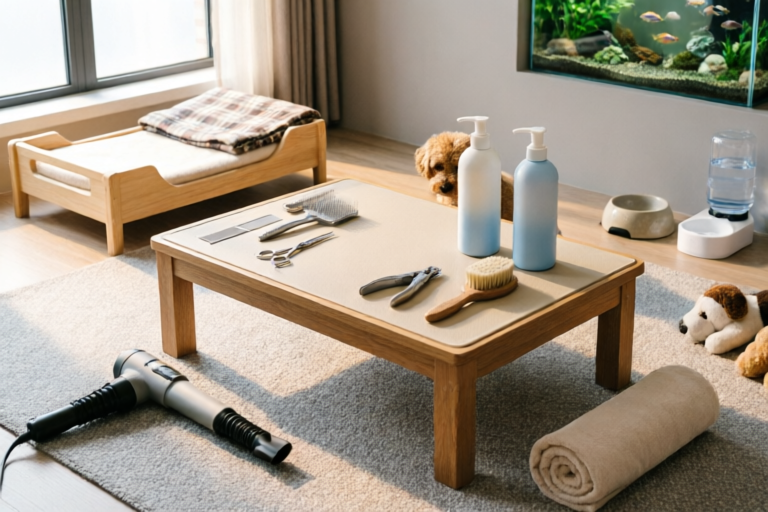
However, before diving into the process, setting up a safe and comfortable workspace is critical for both you and your dog. The goal is to create an environment where stress is minimized. Start by selecting a non-slip surface in a warm, quiet room. Kitchens or bathrooms often work well because they have easy water access and hard floors that are easy to clean up stray fur. Lay down a rubber mat to prevent slipping, especially when washing, as a slipping dog will feel unsafe and may panic. Additionally, gather all your necessary supplies beforehand. Nothing interrupts the flow of grooming like searching for scissors or shampoo halfway through. Having everything within arm’s reach keeps the session continuous and reduces anxiety for the animal.
Equally important is mentally preparing yourself and your dog for the session. Dogs are highly attuned to human body language and emotional states. If you are rushing, tense, or frustrated, your dog will sense this tension and likely mirror it. Approach grooming with patience and a positive mindset. Spend a few days prior to the full grooming session desensitizing your dog to the sounds and sensations involved. Let them sniff the brush while giving treats, or touch their paws gently without clipping. Feed them a light meal a few hours before to prevent discomfort during movement, and ensure they have had enough exercise to be tired but not exhausted. A calm dog is a cooperative dog. Establishing a routine where grooming happens at the same time every week or month helps set expectations, turning the activity into a predictable part of their daily life rather than a sudden, scary event.
## Essential Tools and Supplies Checklist
Investing in high-quality grooming tools is foundational to a safe and effective home grooming session. Using the wrong equipment can lead to poor results or even injury. First, consider the brush type appropriate for your dog’s coat. Slicker brushes are excellent for removing loose hair and light tangles, particularly in breeds with long, silky fur like Poodles or Shih Tzus. Pin brushes are gentler and ideal for medium-to-long coats that are prone to tangling, such as Golden Retrievers. For thick, double-coated breeds like Huskies or German Shepherds, an undercoat rake is indispensable to remove dead fur from beneath the dense topcoat without damaging the living hair. Always check your brush regularly for clogged bristles and rust; a dirty or dull brush can cause pain and skin irritation. Never skip a pre-bath brush-out, as wetting matted fur only makes the tangles tighter and harder to remove later.
When it comes to bathing, choosing the correct shampoo is paramount. Human shampoos have a different pH balance than canine skin and can strip natural oils, leading to dryness and itching. Select a dog-safe shampoo formulated specifically for your dog’s coat condition. Oatmeal-based shampoos are soothing for sensitive skin, while medicated options exist for flea control or fungal infections. Regardless of the formula, ensure it is tear-free to minimize stinging if it accidentally gets into their eyes. You will also need a pitcher or handheld showerhead with an adjustable nozzle, as direct high-pressure streams can be overwhelming. Have plenty of absorbent towels ready; microfiber towels dry faster and are softer on the skin than standard cotton bath towels. These should be dedicated solely to grooming to avoid cross-contamination with chemicals used elsewhere in the house.
Non-slip mats for the tub or sink are a vital safety feature. Smooth tiles can be dangerous when wet, causing your dog to slide uncontrollably. A textured mat provides stability and confidence during the wash. Don’t forget treat containers. High-value treats, such as small pieces of boiled chicken or commercial grooming rewards, are essential for positive reinforcement. Every calm behavior should be rewarded. Finally, keep a pair of blunt-nosed grooming scissors for trimming the paw pads or shaping around sanitary areas. Ensure all metal tools are sharp; dull clippers require force that increases noise vibration, frightening your dog and potentially pulling the hair. Organize these items in a grooming caddy so the transition from brushing to bathing to drying is seamless.
## Step-by-Step Bathing and Washing Guide
The bathing process itself requires attention to detail to ensure comfort and thoroughness. Start by testing the water temperature. A temperature that feels lukewarm to the human hand is ideal for the dog, which typically runs warmer than humans. Test the water against your inner wrist; if it is uncomfortable to you, it is too hot for them. Cold water is also undesirable as it causes shivering and muscle tension. Fill the tub or basin with just enough water to cover the legs initially. Begin wetting the coat from the neck down, avoiding the head entirely. Pouring water directly over a dog’s head can cause water to enter the ears and nose, leading to respiratory irritation or ear infections. Instead, use a damp cloth to gently wipe the face and forehead.
Protecting the ears and eyes is a priority throughout this phase. Before getting the coat fully wet, place soft cotton balls loosely in the ear canals to prevent water ingress. Do not pack them deep into the canal, as removal can dislodge debris or push wax further. When applying shampoo, pour a moderate amount into your hands and lather first before placing them on the dog. Massage the shampoo in following the direction of hair growth. Start at the neck and work backward toward the tail. Focus on areas that get dirtier, such as the belly, legs, and hindquarters. Avoid scrubbing aggressively; circular motions are gentle yet effective. Pay close attention to the armpits and groin, as these are common trap sites for dirt and allergens. If your dog has a long coat, take your time to separate hairs while rinsing to ensure no soap residue remains.
Rinsing is arguably the most critical step, as leftover shampoo causes itchiness and skin problems. Rinse thoroughly, lifting the hair layer by layer to ensure the water penetrates the undercoat. The water running off the dog should be completely clear. If you notice suds coming through, continue rinsing. Conditioning can follow if your dog has dry or frizzy hair. Apply conditioner sparingly, leave it on for the recommended time, and rinse again meticulously. Once the washing is complete, gently squeeze excess water from the fur. Do not wring the coat as you would laundry. Lift the dog carefully if they are small to shake off excess water, or stand them still if they are larger. Remove the cotton balls from the ears immediately after the bath. At this stage, offer praise and a reward. A positive association with the end of the bath encourages better cooperation next time. Remember, speed is not the enemy; thoroughness is. Rushing a rinse leads to dermatological issues weeks later.
## Drying, Brushing, and Minor Hygiene Tasks
Proper drying prevents bacterial growth and matting. After the initial water squeeze, wrap your dog in a large, absorbent towel. Rub vigorously but gently to soak up moisture. Some owners find blow-drying beneficial, but caution is required. If using a blower, always use the lowest heat setting to prevent burns. Keep the dryer moving constantly and never hold it stationary on one spot. Maintain a safe distance of at least twelve inches to avoid overheating the skin. High-velocity dryers are preferred for long-haired breeds as they push moisture and air through the coat to lift the hair, reducing drying time. However, the noise can be scary for some dogs; acclimate them slowly to the sound beforehand. For dogs that dislike the dryer, towel drying followed by air drying in a warm room is an acceptable alternative, though it takes longer.
While the coat is still slightly damp is the prime time for brushing. Hair dries taut, and brushing then can pull roots. Comb through the coat systematically, starting from the ends and working up toward the roots to detangle knots gently. This prevents painful matting, which can restrict blood flow and harbor bacteria. Simultaneously, perform minor hygiene tasks. Trimming nails should be done carefully to avoid cutting the quick, the sensitive tissue inside the nail containing nerves and blood vessels. Trim small amounts at a time and look for a chalky gray center; once a black dot appears in the middle, stop, as you are nearing the quick. File the edges smooth afterwards to prevent scratching furniture or skin. Cleaning ears involves moistening a cotton ball or gauze pad with a veterinarian-approved ear cleaning solution. Wipe the visible part of the inner ear flap and canal gently. Never insert cotton swabs deep into the ear canal, as this pushes debris toward the eardrum. Look for redness, foul odor, or discharge, which may indicate an infection requiring a vet visit.
Teeth brushing is another vital component often overlooked. Use a finger brush or a small dog toothbrush with enzymatic toothpaste designed for pets. Human toothpaste contains ingredients like xylitol, which are toxic to dogs. Brush in circular motions focusing on the gumline to remove plaque buildup. Dental health impacts overall health, so regular brushing prevents tartar, bad breath, and periodontal disease. Additionally, checking the anal glands is part of maintenance. If they appear swollen or smelly, consult a pro. Consistency here creates a habit. If your dog resists one step, move to another area and return later. Short sessions are better than forced ones. The goal is to leave your dog feeling refreshed and cared for, not traumatized by the process.
## Safety Precautions and Maintenance Summary
Safety must remain the top priority throughout the grooming process. Be vigilant for signs of stress or overheating. Excessive panting, drooling, pacing, trembling, or trying to escape are clear signals that your dog is overwhelmed. Whining, lip licking, and yawning can also indicate anxiety. If these signs appear, pause the session immediately. Provide water, comfort, and a break. Do not force the grooming if your dog is in distress. Common safety risks include slipping on wet surfaces, accidental cuts from clippers or scissors, and exposure to harsh chemical residues. Always use a grooming loop or restraint strap attached to a stable table for larger dogs to prevent jumping, but ensure it does not choke or strain the neck. Small dogs should be secured on the counter with your hand over them, never left unsupervised.
Maintenance routines vary by breed, coat type, and lifestyle. Short-haired breeds may need weekly brushing, while double-coated breeds require heavy brushing during shedding seasons. Regular baths are usually necessary every four to six weeks, though puppies may need more frequent bathing. Create a schedule that fits your calendar and observe your dog’s changing needs. Regular grooming aids in health monitoring; changes in weight, appetite, or energy levels during handling can alert you to underlying medical conditions. Early detection saves lives.
However, knowing when to seek professional assistance is equally important. Certain breeds have hair that grows indefinitely, such as Maltese or Schnauzers, requiring precise scissor work or electric clipper skills that are difficult to master for beginners. If mats are severe and close to the skin, attempting to remove them at home can cause injury or extreme pain. Behavioral issues, such as aggression or extreme fear, also warrant a professional groomer who specializes in anxious dogs. Do not hesitate to book a professional if you feel out of your depth. Ultimately, the aim of home grooming is to complement professional care, ensuring your dog looks good and feels healthy between appointments. With the right preparation, tools, and patience, you can transform grooming from a chore into a rewarding bonding ritual that strengthens the human-animal connection.
Comments

nail_ninja
nail trimming is still impossible though😅 wish theres a video on clipping fast nails without hurting them
👍 18👎 0

tail_waggers
helped me spot that stress signal with the tail tucked. didnt know he was freaking out til now
👍 3👎 0

brush_it_off
i'm using a slicker brush on my poodle mix and its been a game changer for tangles
👍 23👎 0

lab_mom
my lab hates the blow dryer sound honestly. stuck to just towels like you said
👍 3👎 0

hairy_pup_saver
this actually worked for me today. spent way less than taking him to the groomer this month
👍 12👎 0

doggo_dad_99
quick q - what temp water is safest? mine seems scared of cold but hates hot
👍 25👎 0

buttercup_babe
just tried the non-slip mat trick u mentioned and holy cow!! my dog stopped sliding around instantly
👍 20👎 0