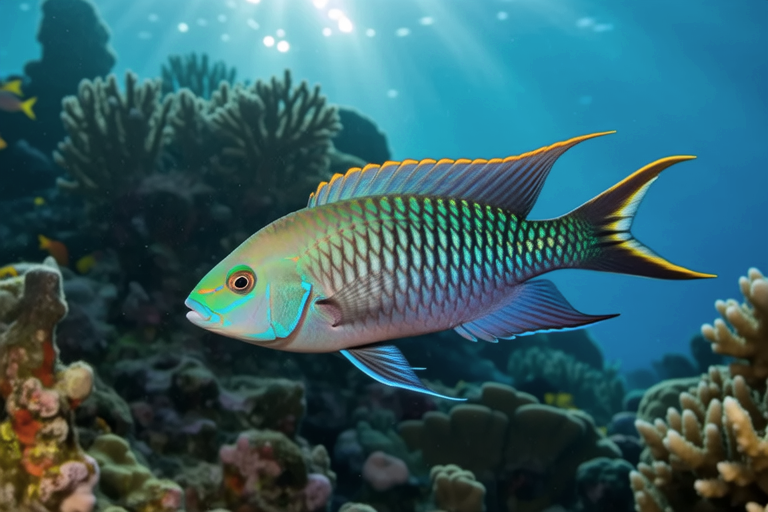
The Rising Popularity of Parrot Fish as Pets
Parrot fish, with their vibrant colors and unique characteristics, have captured the hearts of many marine enthusiasts. These captivating creatures, known for their striking hues and fascinating behaviors, have seen a significant surge in popularity as pets. This article explores the reasons behind their growing appeal, provides essential care tips, and highlights the responsibilities of owning a parrot fish.
An Introduction to Parrot Fish
Parrot fish are members of the family Scaridae, found predominantly in tropical and subtropical waters around the world. Their name comes from their beak-like mouths, which they use to scrape algae from coral reefs. These fish come in a wide array of colors, ranging from electric blues and vibrant oranges to deep purples and striking yellows. Their ability to change color and pattern based on mood or environmental conditions adds to their allure.
One of the most distinctive features of parrot fish is their teeth, which are fused together into a powerful beak. This beak allows them to break off pieces of coral and ingest the algae that live within it. After digestion, the coral is excreted as sand, contributing significantly to the formation of beaches in tropical regions.
Why Parrot Fish Are Popular Among Marine Enthusiasts
The increasing popularity of parrot fish as pets can be attributed to several factors. Firstly, their vibrant colors and unique appearance make them visually stunning additions to any aquarium. Their presence can transform an ordinary tank into a mesmerizing underwater garden. Secondly, parrot fish are relatively adaptable, thriving in various water conditions. They are hardy fish, capable of enduring minor fluctuations in water quality and temperature.
Another reason for their popularity is the ease of care. While they require regular feeding and maintenance, parrot fish are generally low-maintenance compared to other saltwater species. They are omnivorous, meaning they eat both plant and animal matter, making it easier to provide a balanced diet. Additionally, parrot fish are social creatures, often interacting with their tank mates and providing entertainment for their owners.
Tips for Setting Up an Ideal Tank Environment
To ensure the well-being of your parrot fish, it’s crucial to set up an appropriate tank environment. A minimum tank size of 75 gallons is recommended for a single parrot fish, but larger tanks are preferable if you plan to keep multiple fish or include additional marine life. The tank should be equipped with a high-quality filtration system to maintain water quality and prevent ammonia buildup.
Water parameters are critical for the health of parrot fish. Maintain a pH level between 8.1 and 8.4, a specific gravity of 1.020 to 1.025, and a temperature range of 72 to 82 degrees Fahrenheit. Regular water changes and monitoring of water parameters are essential to keep the tank environment stable and healthy.
Substrate and decorations play a vital role in creating a natural habitat for your parrot fish. Use a fine-grained substrate to mimic the sandy bottom of their natural habitat. Incorporate rocks, corals, and driftwood to provide hiding spots and create a stimulating environment. Live rock can also be added to encourage biological filtration and promote beneficial bacteria growth.
Maintaining the Health of Your Parrot Fish
Proper nutrition is key to keeping your parrot fish healthy and vibrant. Provide a varied diet that includes both plant-based foods and protein-rich options. Algae wafers, spirulina flakes, and nori sheets are excellent plant-based foods, while brine shrimp, mysis shrimp, and chopped seafood offer necessary protein. Feed your parrot fish twice daily, ensuring they consume all food within a few minutes.
Regular observation of your parrot fish’s behavior and physical condition is essential for early detection of potential health issues. Watch for signs of stress, such as loss of appetite, lethargy, or abnormal swimming patterns. Common health problems in parrot fish include fin rot, ich, and internal parasites. Prompt action and proper treatment are necessary to address these issues effectively.
The Responsibilities of Owning a Parrot Fish
Owning a parrot fish comes with significant responsibilities. As long-term companions, parrot fish can live for over a decade, requiring consistent care and attention throughout their lives. Investing time and resources into their well-being ensures they thrive in your home.
One of the primary responsibilities is providing a suitable environment. This involves regular maintenance of the tank, including water changes, cleaning equipment, and monitoring water parameters. It’s important to establish a routine and stick to it to maintain a stable and healthy tank.
Another responsibility is ensuring proper nutrition. Research and understand the dietary needs of your parrot fish to provide a balanced and nutritious diet. Be prepared to adjust their diet as needed to accommodate changes in their age or health.
Finally, be mindful of the social needs of your parrot fish. While they can be kept alone, they often benefit from the company of other fish. Choose compatible tank mates carefully, considering factors like temperament, size, and dietary preferences. Regular interaction with your parrot fish can also strengthen your bond and enhance their overall well-being.
Conclusion
The rising popularity of parrot fish as pets is a testament to their captivating beauty and unique characteristics. Their vibrant colors, adaptability, and ease of care make them appealing additions to any aquarium. By setting up an ideal tank environment, providing proper nutrition, and fulfilling the responsibilities of ownership, you can ensure the health and happiness of your parrot fish.
Remember, owning a parrot fish is a long-term commitment that requires dedication and care. With the right approach, you can enjoy the company of these fascinating creatures for years to come. Whether you’re a beginner or an experienced aquarist, adding a parrot fish to your aquatic family promises to be an enriching and rewarding experience.
