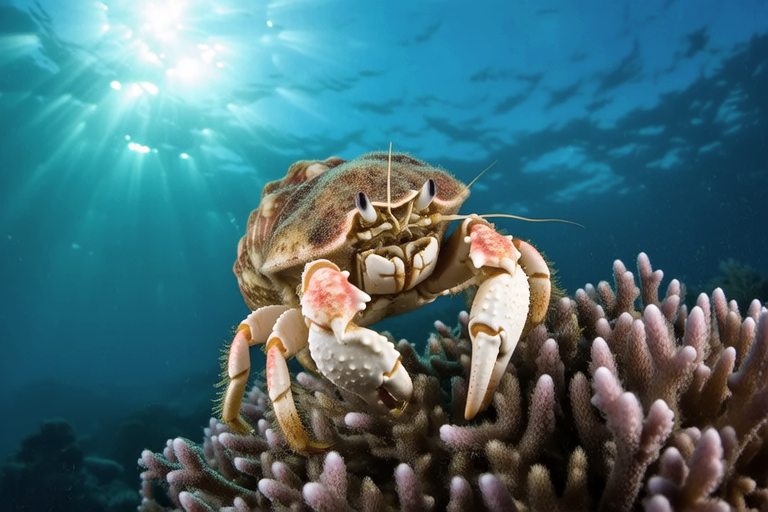
Tiny Guardians of the Sea: Discovering the World’s Smallest Crabs
There is something undeniably captivating about the tiniest inhabitants of our vast oceans. These miniature marvels, often overlooked, play crucial roles in marine ecosystems, offering insights into the complexities of underwater life. Among these fascinating creatures, the world’s smallest crabs stand out as particularly intriguing. Their diminutive size belies their importance, making them vital guardians of the sea. This article embarks on a journey through the world of these minuscule crustaceans, exploring their unique characteristics, habitats, behaviors, and the critical roles they play in marine ecosystems.
The Enchantment of Tiny Creatures
The fascination with tiny creatures in marine life is multifaceted. These small organisms often possess adaptations that are both astonishing and practical, allowing them to thrive in environments where larger species might struggle. Their petite size enables them to navigate intricate spaces within coral reefs, burrow into sediment, or hide from predators with remarkable efficiency. The study of such creatures provides a window into the evolutionary processes that have shaped life in the ocean, offering lessons in survival and adaptation.
Varieties of the World’s Smallest Crabs
The Pea Crab (Pinnotheres pectinatus)
One of the smallest crabs known to science, the Pea Crab (Pinnotheres pectinatus) does not exceed 1 cm in length. This diminutive crab has a symbiotic relationship with bivalves like mussels and oysters, living inside their shells. The Pea Crab benefits from protection and a steady supply of food, while the bivalve gains from the crab’s consumption of parasites. This mutualistic relationship exemplifies the interconnectedness of marine life, where even the smallest organisms can have significant impacts.
The Porcelain Crab (Neotrypaea californiensis)
Porcelain Crabs, like the Neotrypaea californiensis, are another group of small crabs found along the Pacific coast. These crabs are known for their delicate, translucent bodies and long, thin legs. They inhabit burrows in coastal mudflats and sandy beaches, where they feed on plankton and detritus. Their ability to quickly retreat into their burrows when threatened underscores their adaptability to their environment.
The Spider Crab (Libinia dubia)
Spider Crabs, such as the Libinia dubia, are characterized by their long, spindly legs and flattened bodies. These crabs are typically found in shallow waters, where they scavenge for food. Despite their small size, Spider Crabs are adept at navigating complex reef structures, using their legs to cling to surfaces and avoid being swept away by currents. Their camouflage abilities, often enhanced by algae and other marine growths, help them blend seamlessly into their surroundings.
Unique Characteristics and Behaviors
The world’s smallest crabs exhibit a wide array of unique characteristics and behaviors that set them apart from their larger relatives. Many of these crabs have adapted to their specific environments by developing specialized appendages, such as elongated claws or antennae, which assist in feeding, defense, and navigation. Their reproductive strategies also vary widely, with some species laying hundreds of eggs at once, while others carry their young until they are ready to fend for themselves.
Behaviorally, these crabs are highly adaptable, capable of adjusting their feeding habits, social interactions, and even migration patterns based on environmental conditions. For instance, some species will alter their diet during periods of low food availability, while others may migrate to deeper waters to escape harsh surface conditions.
Roles in Marine Ecosystems
The smallest crabs play pivotal roles in maintaining the balance of marine ecosystems. As scavengers, they contribute to nutrient cycling by breaking down organic matter, thus enriching the surrounding waters. Their presence also influences predator-prey dynamics, serving as both prey and predator within their ecological niches. Additionally, many species act as bioindicators, reflecting the health of their environments through changes in population sizes or behaviors.
Challenges and Conservation Efforts
Despite their resilience, the world’s smallest crabs face numerous challenges in their environments. Habitat destruction, pollution, and climate change pose significant threats to their survival. Coastal development, for example, can lead to the loss of essential habitats like mangroves and seagrass beds, which provide shelter and breeding grounds for these crabs. Pollution, especially plastic debris, can entangle and suffocate these small creatures, while rising sea temperatures can disrupt their reproductive cycles and alter the availability of food sources.
Conservation efforts aimed at protecting these tiny guardians of the sea are crucial. Organizations and researchers are working together to establish protected areas, reduce pollution, and promote sustainable fishing practices. Public awareness campaigns also play a vital role in educating communities about the importance of these small crabs and the broader implications of their decline on marine ecosystems.
The Importance of Study and Preservation
The study and preservation of the world’s smallest crabs are more than just academic pursuits; they are essential for understanding and safeguarding the health of our oceans. By learning more about these creatures, we gain valuable insights into the workings of marine ecosystems, which can inform conservation strategies and policy decisions. Moreover, the survival of these small crabs serves as a barometer for the overall well-being of the ocean, acting as early warning signs of environmental stressors.
In conclusion, the world’s smallest crabs are unsung heroes of the marine world, deserving of our attention and admiration. Their unique characteristics, behaviors, and vital roles in ecosystems make them fascinating subjects of study. By recognizing the importance of these tiny guardians, we take a step towards ensuring the continued health and diversity of our oceans, securing a future where these miniature marvels can thrive.
