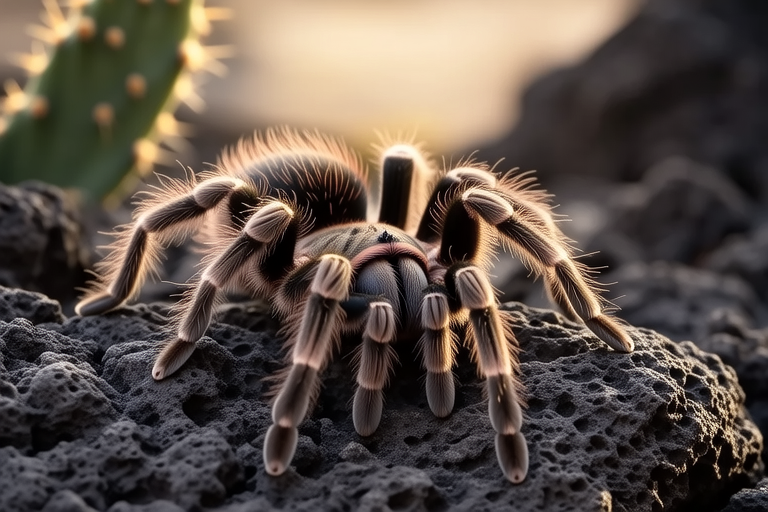
The Coolest Facts About Tarantulas You Didn’t Know Before
When it comes to arachnids, tarantulas often stand out as some of the most fascinating creatures on Earth. Known for their large size and hairy appearance, these spiders have captured the imagination of many. But beyond the typical perception of tarantulas, there are numerous lesser-known facts that make them even more intriguing. From their unique behaviors to surprising physical attributes and interesting habitats, this article will delve into the lesser-explored aspects of tarantula biology and behavior.
Unique Behaviors of Tarantulas
Tarantulas exhibit several unique behaviors that set them apart from other spiders. One such behavior is their ability to flick urticating hairs. These tiny barbed hairs can be launched from the spider’s abdomen when threatened. The hairs irritate the skin and eyes of predators, providing an effective defense mechanism. This method of defense is particularly impressive because it allows the tarantula to protect itself without relying solely on its fangs or venom.
In addition to this defensive tactic, tarantulas also engage in a behavior known as ‘autotomy.’ This involves the deliberate shedding of limbs, which can regrow over time. While this may seem like a disadvantage, it serves as a survival strategy. If a limb is damaged or caught by a predator, the tarantula can shed it to escape. This adaptation showcases the resilience and adaptability of these creatures in their natural environment.
Another fascinating behavior is their courtship dance. Male tarantulas perform elaborate dances to attract females, often involving intricate leg movements and vibrations. This ritual is crucial for successful mating, as it helps the male avoid being mistaken for prey by the female. The complexity of these dances underscores the intelligence and social nuances within tarantula species.
Surprising Physical Attributes
Tarantulas possess several surprising physical attributes that contribute to their uniqueness. One such attribute is their impressive strength relative to their body size. Despite their relatively small size, tarantulas can lift objects up to 50 times their own weight. This strength is attributed to their powerful muscles and exoskeleton structure, allowing them to move efficiently and capture prey.
Another surprising feature is their lifespan. Depending on the species, tarantulas can live for up to 30 years, making them one of the longest-lived spiders. This longevity is due in part to their slow metabolism and efficient energy use. It also highlights the importance of understanding the environmental factors that contribute to their extended lifespan.
Tarantulas also come in a variety of colors and patterns, ranging from brown and black to vibrant blues and greens. Some species, like the Gooty Sapphire Ornamental Tarantula, are known for their striking blue legs. These colors serve various purposes, including camouflage and attracting mates. The diversity in coloration among tarantulas adds to their visual appeal and scientific interest.
Interesting Habitat Details
Tarantulas inhabit a wide range of environments across the globe, from deserts to rainforests. Their adaptability is one of the key reasons for their success as a species. Desert-dwelling tarantulas, for example, have evolved to conserve water and withstand extreme temperatures. They often dig burrows that provide shelter from the harsh conditions and help regulate their body temperature.
In contrast, tropical tarantulas thrive in humid, forested areas where they can find ample food and moisture. These spiders often build complex webs and retreats within trees or under leaves. The diversity of habitats highlights the versatility of tarantulas and their ability to thrive in different ecological niches.
One of the most interesting aspects of tarantula habitats is their use of silk. Unlike web-building spiders, tarantulas do not create large, visible webs. Instead, they use silk sparingly, primarily for lining their burrows or creating egg sacs. This selective use of silk demonstrates the efficiency of tarantulas in utilizing resources, a trait that has contributed to their evolutionary success.
Lesser-Known Facts About Tarantulas
There are several lesser-known facts about tarantulas that add to their mystique. For instance, tarantulas are not aggressive toward humans and will only bite if provoked or threatened. Their venom, while potent enough to subdue prey, is generally harmless to humans. In fact, tarantula bites are often compared to bee stings in terms of pain and severity.
Another lesser-known fact is the role of tarantulas in controlling insect populations. As top predators in many ecosystems, tarantulas play a crucial role in maintaining balance. By preying on insects, they help control pest populations and contribute to the overall health of their habitats. This ecological significance underscores the importance of preserving tarantula populations.
Lastly, the relationship between tarantulas and certain species of wasps is worth mentioning. Tarantula hawk wasps are parasitic wasps that specifically target tarantulas. After paralyzing the spider with a sting, the wasp lays its eggs on the tarantula. The larvae then feed on the living spider, eventually killing it. This interaction highlights the complex relationships between species in nature and the delicate balance of ecosystems.
Conclusion
Tarantulas are truly remarkable creatures, offering a wealth of fascinating facts and behaviors that continue to captivate scientists and enthusiasts alike. From their unique defensive mechanisms and impressive strength to their diverse habitats and ecological roles, tarantulas demonstrate the incredible adaptability and complexity of life on Earth. By exploring these lesser-known aspects of tarantula biology and behavior, we gain a deeper appreciation for these misunderstood arachnids and their place in the natural world.
