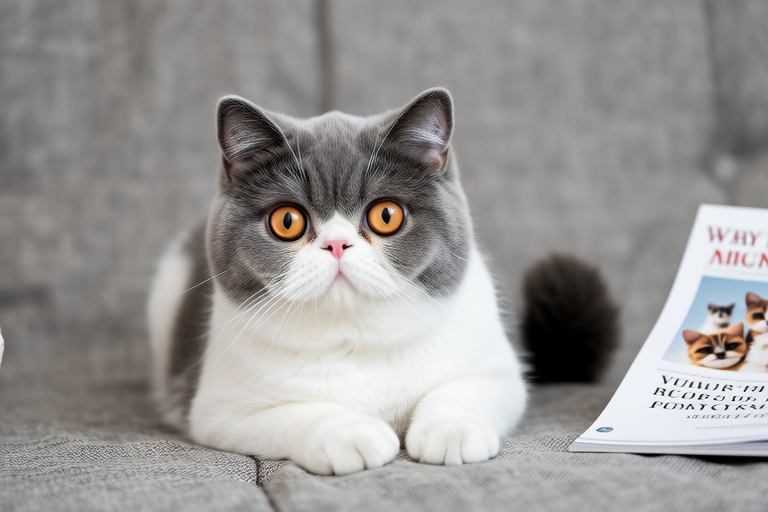
Why Are Munchkins So Popular? Unpacking Their Appeal
The Munchkin cat has become an increasingly popular breed among cat enthusiasts. With their unique appearance and endearing personalities, these felines have captured the hearts of many. This article aims to delve into the world of Munchkins, exploring their origins, physical characteristics, health considerations, and the reasons behind their rising popularity.
What Are Munchkin Cats?
Munchkin cats are a relatively new breed known for their unusually short legs, which give them a distinctively whimsical and almost cartoonish appearance. These cats come in a wide variety of colors and patterns, making each one unique. Despite their short stature, Munchkins are generally healthy and robust, though they do face some specific health challenges related to their genetic mutation.
Physical Characteristics
The most striking feature of Munchkin cats is their disproportionately short legs. This characteristic is due to a genetic mutation that affects the long bones in their legs, resulting in a shorter, more compact body structure. Apart from their legs, Munchkins can have either semi-longhaired or shorthaired coats, with the former requiring regular grooming to prevent matting.
Munchkins come in a broad spectrum of colors and patterns, including solid colors, tabby, tortoiseshell, and bicolor. Their eyes are typically large and expressive, adding to their charm. The average adult Munchkin weighs between 5 to 9 pounds, with males generally being slightly heavier than females.
Common Health Considerations
While Munchkins are generally healthy, there are certain health issues to be aware of. The most notable concern is spinal issues, particularly lordosis (an inward curvature of the spine) and pectus excavatum (a deformity of the chest wall). These conditions are more prevalent in Munchkins due to their genetic mutation. Additionally, the breed may be predisposed to hip dysplasia and patellar luxation.
Proper care and regular veterinary check-ups are essential to ensure the well-being of Munchkin cats. It’s important for owners to provide them with comfortable environments that support their unique anatomy and to monitor their health closely.
The History of Munchkin Cats
The history of the Munchkin breed dates back to the 1980s when a cat named Blackberry was discovered in Louisiana. Blackberry was the first documented Munchkin cat, and her offspring carried the short-legged trait. The breed gained recognition from The International Cat Association (TICA) in 2003, marking its official entry into the world of pedigreed cats.
Since then, Munchkins have steadily grown in popularity. Their unique appearance and playful nature have made them a favorite among cat lovers. Breeders have worked diligently to develop the breed, focusing on maintaining good health and desirable traits while minimizing potential health risks associated with their genetic mutation.
Reasons Behind Their Growing Appeal
Munchkin cats have captured the hearts of many due to several factors, including their distinctive appearance, charming personalities, and adaptability to various living situations.
Unique Appearance
The most obvious reason for the Munchkin’s popularity is their unique appearance. Their short legs give them a distinct look that sets them apart from other breeds. They move in a way that is often described as “bunny hopping,” which adds to their endearing charm. Their short stature and playful demeanor make them appear almost like small, agile creatures.
Personality Traits
Besides their appearance, Munchkins are known for their friendly and sociable personalities. They are highly adaptable and can thrive in various living environments, from busy households to quiet homes. Munchkins are often described as curious and playful, always ready to explore and engage with their surroundings. They tend to be affectionate towards their owners and enjoy interacting with family members and visitors alike.
Adaptability
Munchkins are incredibly adaptable and can fit into different living situations. They are just as comfortable in an apartment as they are in a house with a yard. Their playful nature makes them excellent companions for families with children and other pets. However, it’s crucial to supervise interactions to ensure safety for all parties involved.
Cat enthusiasts and experts agree that Munchkins bring joy and companionship to their owners. Many cat lovers appreciate the breed’s unique combination of playfulness and adaptability. For instance, Sarah Johnson, a cat behaviorist, notes, “Munchkins are incredibly social and love to be part of the family. They are great for people who want an interactive and affectionate companion.”
The Future of Munchkin Cats
The future looks bright for Munchkin cats as they continue to gain popularity within the pet community. As more people discover the breed’s unique qualities, it’s likely that interest will continue to grow. However, it’s essential for breeders to prioritize responsible breeding practices to maintain the overall health and well-being of the breed.
With advancements in veterinary care and increased awareness about genetic health issues, the future holds promise for Munchkins. Continued research and breeding efforts will help address any potential health concerns, ensuring that future generations of Munchkins remain healthy and happy.
In conclusion, Munchkin cats have earned their place in the hearts of many cat lovers through their unique appearance, friendly personalities, and adaptability. As the breed continues to grow in popularity, it’s important for owners and breeders alike to focus on responsible care and breeding practices. By doing so, we can ensure that Munchkins remain cherished companions for years to come.
