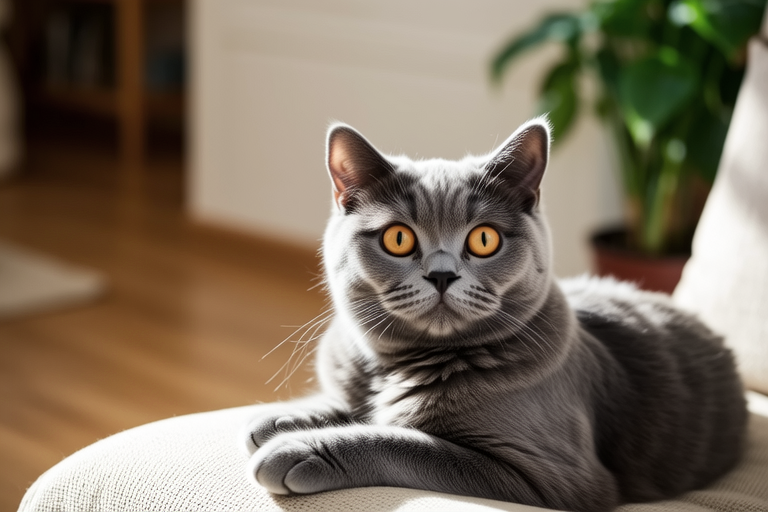
Living with an American Shorthair: Tips and Tricks for Happy, Healthy Coexistence
The American Shorthair is one of the most popular cat breeds in the United States, known for its robust health, friendly demeanor, and striking appearance. Originating from domestic cats brought to America by early settlers, this breed has evolved into a well-rounded companion that can adapt to various living environments. With their short, easy-to-maintain coats and calm personalities, American Shorthairs are ideal for families, apartments, or homes with other pets. This article provides a comprehensive guide on how to live happily and healthily with an American Shorthair, covering everything from grooming and diet to exercise and training.
Grooming Your American Shorthair
One of the most appealing aspects of owning an American Shorthair is its minimal grooming requirements. Their short, dense coat requires little maintenance, making them perfect for busy lifestyles. However, regular brushing can help keep their coat shiny and reduce shedding. Use a soft-bristled brush once or twice a week to remove loose hair and distribute skin oils. During seasonal changes, you may need to increase brushing frequency to manage increased shedding.
Bathing your American Shorthair is generally unnecessary unless they get particularly dirty. Cats are meticulous groomers, often cleaning themselves thoroughly. If bathing is required, use a mild, cat-specific shampoo and ensure you rinse thoroughly to avoid any residue that could irritate their skin. Always dry your cat completely after a bath to prevent chills.
Dietary Needs
A balanced diet is crucial for maintaining your American Shorthair’s health. Choose high-quality commercial cat food that lists meat as the primary ingredient. Consult with your veterinarian to determine the appropriate amount of food based on your cat’s age, weight, and activity level. Avoid overfeeding, as obesity can lead to numerous health issues, including diabetes and joint problems.
In addition to commercial food, consider incorporating fresh vegetables like carrots or green beans as occasional treats. These can provide additional nutrients and variety. Ensure clean, fresh water is always available, as hydration is vital for overall health.
Exercise Routines
While American Shorthairs are relatively low-energy compared to some other breeds, they still require regular physical activity to maintain their health and happiness. Interactive play sessions using toys like feather wands or laser pointers can stimulate their hunting instincts and provide mental stimulation. Puzzle feeders that dispense food during play can also encourage movement and problem-solving skills.
Create designated spaces for climbing and scratching to satisfy their natural urges. Provide sturdy scratching posts or pads, and encourage their use by placing treats or catnip nearby. Rotate toys periodically to keep your cat engaged and interested in playtime.
Common Health Issues
Like all breeds, American Shorthairs are prone to certain health conditions. Regular veterinary check-ups are essential for early detection and management of these issues. Some common health concerns include:
- Hypertrophic cardiomyopathy (HCM): A heart condition that thickens the heart muscle, potentially leading to heart failure. Early signs may include lethargy, rapid breathing, or difficulty walking.
- Feline lower urinary tract disease (FLUTD): A broad term encompassing various conditions affecting the bladder and urethra, often causing painful urination or frequent attempts to urinate. Increased water consumption and a wet food diet can help prevent FLUTD.
- Polycystic kidney disease (PKD): An inherited disorder where cysts develop in the kidneys, potentially leading to kidney failure. Genetic testing can identify carriers and affected cats.
Regular vet visits, a healthy diet, and a stress-free environment can help mitigate these risks. Discuss specific preventative measures with your veterinarian based on your cat’s individual health profile.
Training Methods and Bonding Activities
Training your American Shorthair can strengthen your bond and teach them good behavior. Positive reinforcement techniques, such as offering treats or praise for desired actions, are highly effective. For example, teaching your cat to come when called can be useful for safety reasons. Start by associating a specific word or sound with a treat, then gradually extend the distance and distractions while reinforcing the command.
Bonding activities can range from simple play sessions to more structured training exercises. Spend quality time each day interacting with your cat, whether it’s cuddling, playing, or grooming. These moments build trust and deepen your connection, making your relationship more fulfilling for both of you.
Creating a Safe Home Environment
Your home should be a secure and welcoming space for your American Shorthair. Identify potential hazards and take steps to eliminate them. Secure windows with screens to prevent falls, and cover electrical outlets to avoid accidental electrocution. Keep toxic substances, such as household cleaners or medications, out of reach. Provide safe spaces for your cat to retreat to when feeling overwhelmed, such as cozy beds or elevated perches.
Ensure all furniture is stable and secure, especially if your cat enjoys climbing. Install childproof latches on cabinets containing hazardous items. Supervise interactions with young children or other pets to prevent accidents or aggressive behavior.
The Rewarding Aspects of Living with an American Shorthair
Owning an American Shorthair brings many rewards. Their calm, affectionate nature makes them excellent companions for people of all ages. They are generally adaptable and enjoy spending time with their human families. Witnessing their playful antics, soothing purrs, and loving naps can bring joy and comfort to your daily life.
The American Shorthair’s intelligence and curiosity make them engaging partners for interactive play and learning experiences. Their loyalty and companionship create a sense of belonging, enriching your home and heart.
Further Learning Resources
To deepen your understanding of American Shorthairs and enhance your caregiving skills, explore additional resources. Books, articles, and online forums dedicated to cat care offer valuable insights and practical advice. Local animal shelters and rescue organizations often host informational sessions and workshops. Engaging with fellow cat owners through social media groups or community events can also provide support and inspiration.
Consider joining a breed-specific club or organization for American Shorthairs. These groups often organize events, share breed-related news, and offer networking opportunities. By connecting with other enthusiasts, you can gain firsthand knowledge and foster a supportive network.
Living with an American Shorthair is a rewarding experience filled with love, laughter, and companionship. By following these tips and tricks, you can ensure a happy, healthy coexistence with your feline friend. Remember, every cat is unique, so tailor your approach to meet your individual pet’s needs and preferences. Embrace the journey of shared growth and mutual respect, and cherish the special bond you share with your American Shorthair.
